Inside Old Irish Ways: Private Limerick museum recreates old Irish life but needs support to survive
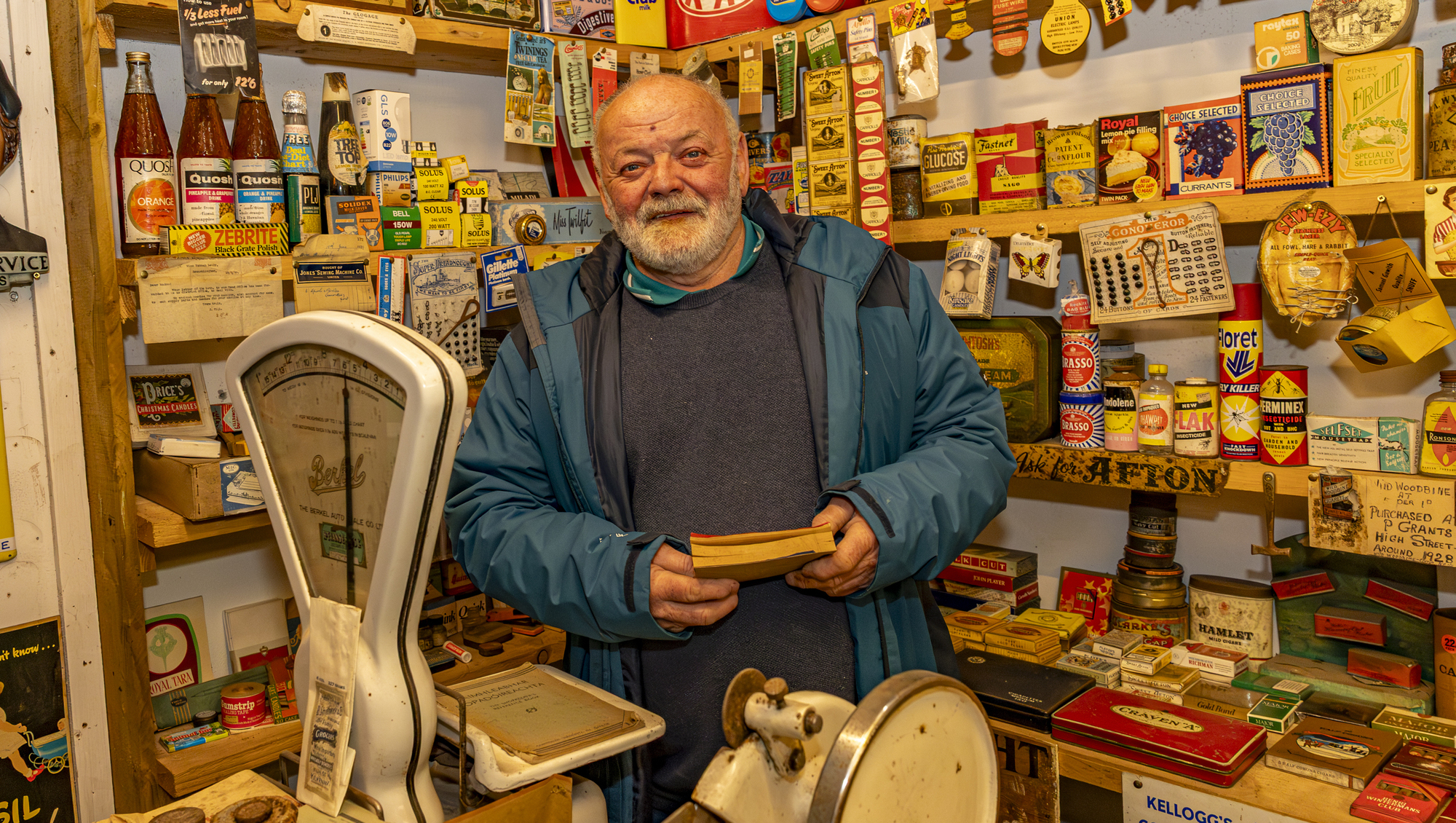
Denis O'Connor at his museum Old Irish Ways in Bruff, Co Limerick. Picture: Kieran Ryan-Benson
While many of us wish we could revisit our childhoods, one man recreated his from scratch — right down to an old Irish classroom frozen in time.
Denis O’Connor need look no further than his back garden in Bruff, Co Limerick, for reminders of simpler times, with his privately run museum, Old Irish Ways.
Even after 17 years, the collection of artefacts — displayed in the museum he built alongside his son Declan — remains a source of pride.
That is despite fears that, after a significant drop in visitor numbers, Old Irish Ways could soon fall off the map.
Still, Denis remains upbeat, appealing for help to promote the business ahead of the 2027 Ryder Cup.
HISTORY HUB
If you are interested in this article then no doubt you will enjoy exploring the various history collections and content in our history hub. Check it out HERE and happy reading
“Last week we welcomed just three people to the museum,” he tells the .
“We’re seeing so much being done to promote places like the Cliffs of Moher and Blarney Castle, but nobody is shining a light on hidden Ireland. Public museums benefit hugely from massive financial support.
"As a private museum we don’t receive any funding. I’m fine about that because at least I know I don’t owe anybody anything.
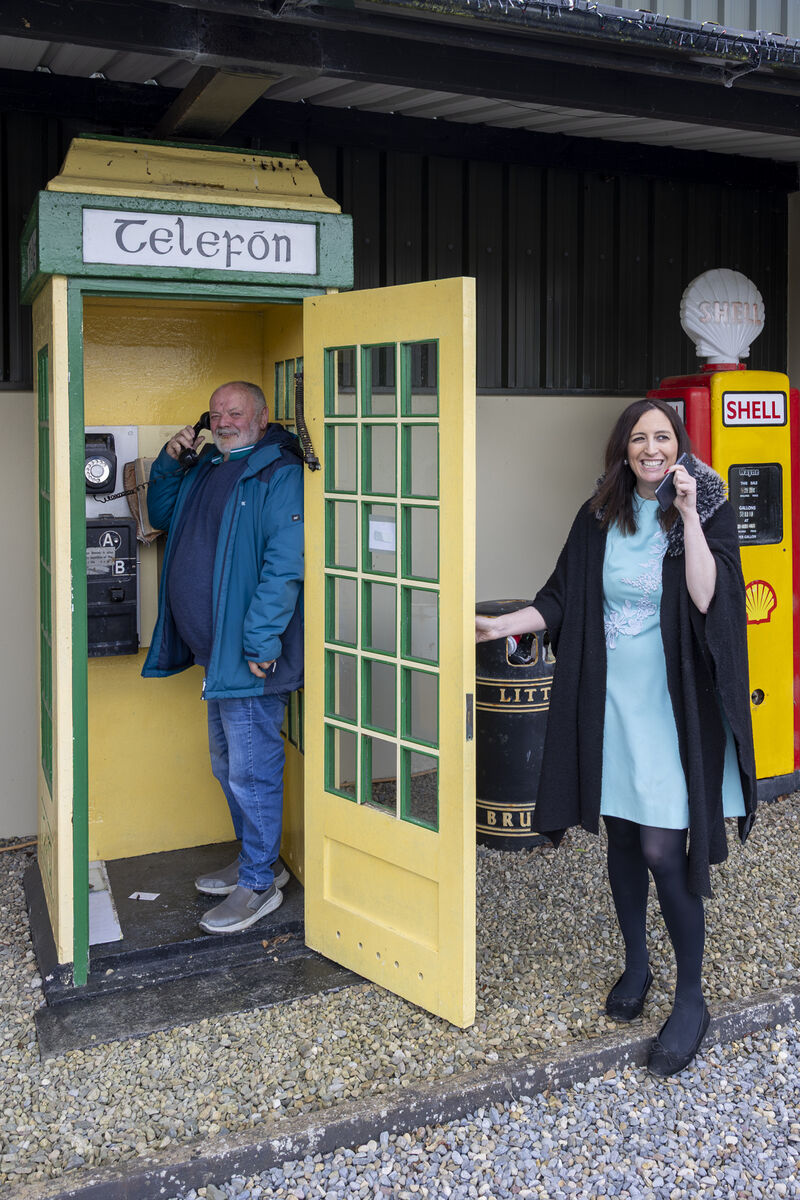
"However, it would be nice to be promoted the way other tourist attractions are. I’m hoping that the Ryder Cup might change this.
"If tourists coming over for the event knew we existed and paid a visit it might help get us on the map. The feedback we get in our visitors' book is always very positive.
"People have taken notice in the past and we even featured in a number of years ago.
"However, things have gone very quiet of late. What we’d really like is to remind people that we’re still here.”
Denis enjoys getting lost in the world he created. Exhibits range from pre-Famine artefacts to a cannonball dating back to the Battle of Kinsale in 1601.
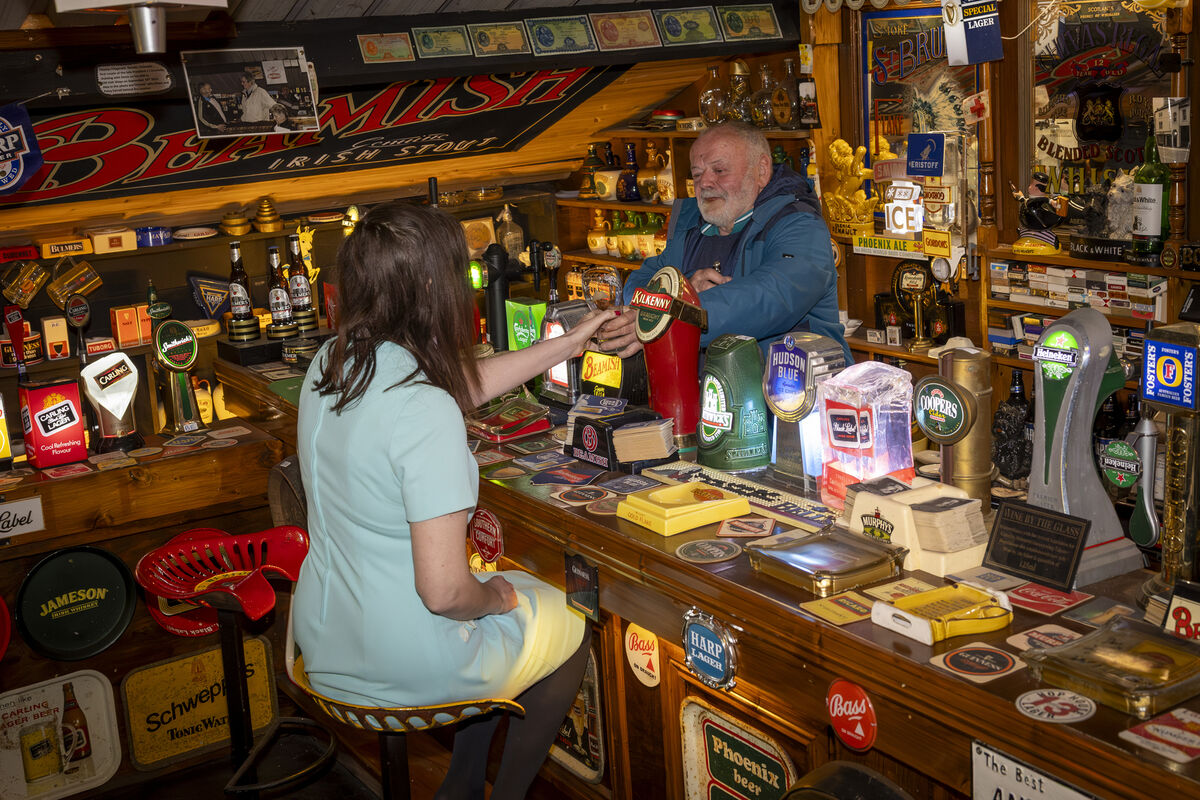
A life-sized replica pub, classroom, cobblers, shop, chemist, kitchen, and true-to-life old-world living spaces make up the wonderland for antique lovers and historians.
Denis says the collection, spread across two floors, is a labour of love.
“It’s not something you can depend on because you wouldn’t make a living out of it,” he says.
“I’m retired so it retains my sanity which is the most important thing. If I don’t have any place to be I could be wandering around here all day.”
The nostalgia can prove emotional for some visitors. “I like that it’s not one lot in a big room because you never know what’s around the next corner," says Denis.
"I had one man in the classroom who was 90 years old but had tears in his eyes when he came into the classroom and saw the desks.
"He told me he remembered sitting in seats like this as a child and the sight of them brought everything back for him.
"A lot of the older people shed tears after seeing the place. The younger crowd are fascinated too.
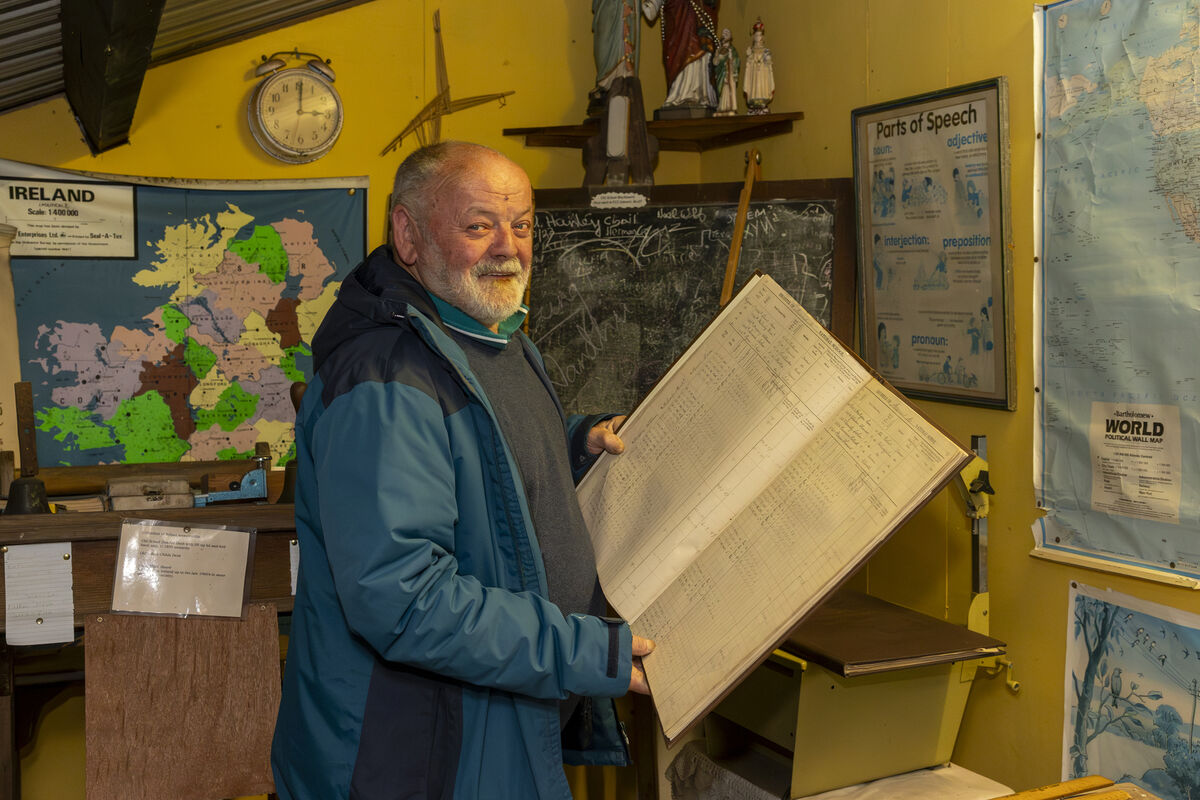
"Of course there is the other side of it too. I’ve seen people walk right past the classroom. They can’t bring themselves to go inside because of the awful memories they have of their schooldays.”
Denis says the simpler way of life he grew up with still shapes how he views the world.
“I just love the old times because they were so much simpler. People didn’t have a lot but they were happier than they are today. Neighbours helped one another out.
"I saw the tail end of a time when people were completely self-sufficient and didn’t even have fridges. When I was young most people reared pigs. Each week a household would kill a pig and give half of it to the neighbours.
"It meant that everyone had fresh meat on a Sunday. The following week it would be another neighbour’s turn. I was only four at the time but I still remember it clearly.”
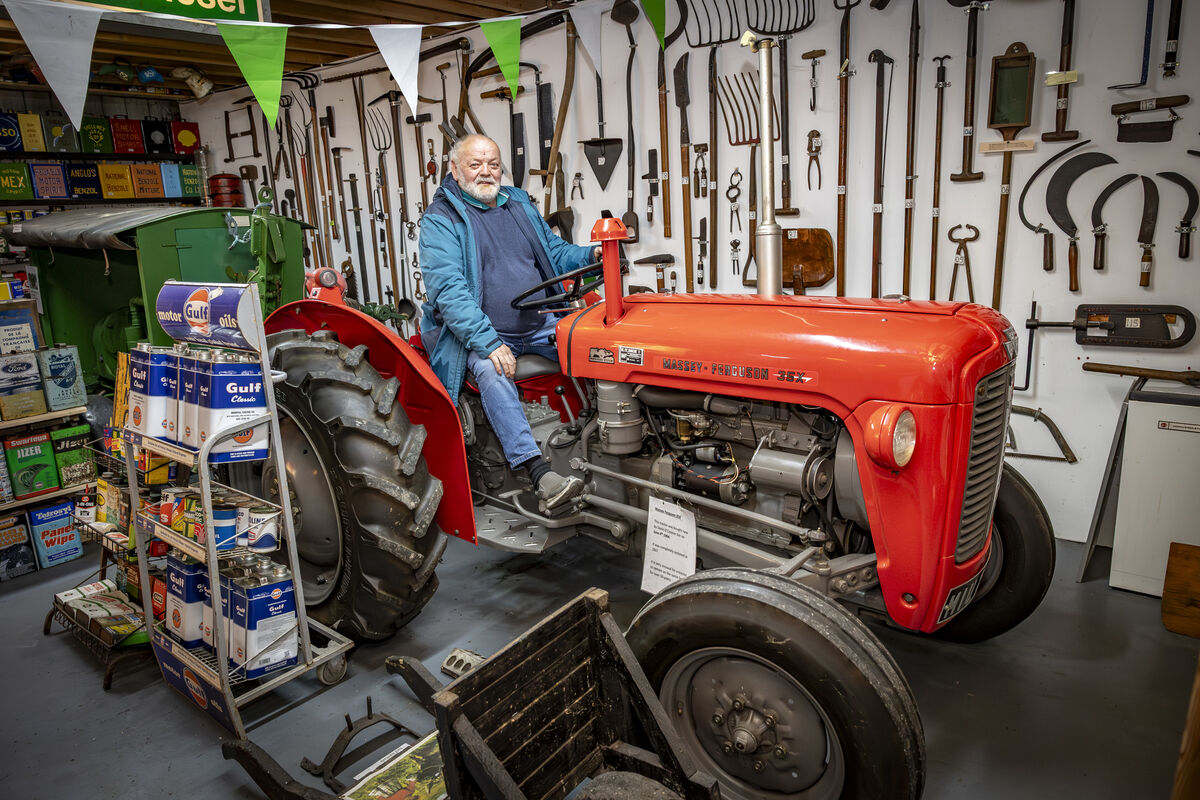
A father of four and a grandfather, Denis says the museum grew out of what was once his workshop. “I was a welder by trade so this was once my workshop. We used to do gates and trailers and that kind of thing.
"When my dad died I decided to have the Massey Ferguson he had bought in 1964, which had fallen into disrepair, restored in his memory. I was only about nine or ten at the time when he got the tractor but it was always on his farm.
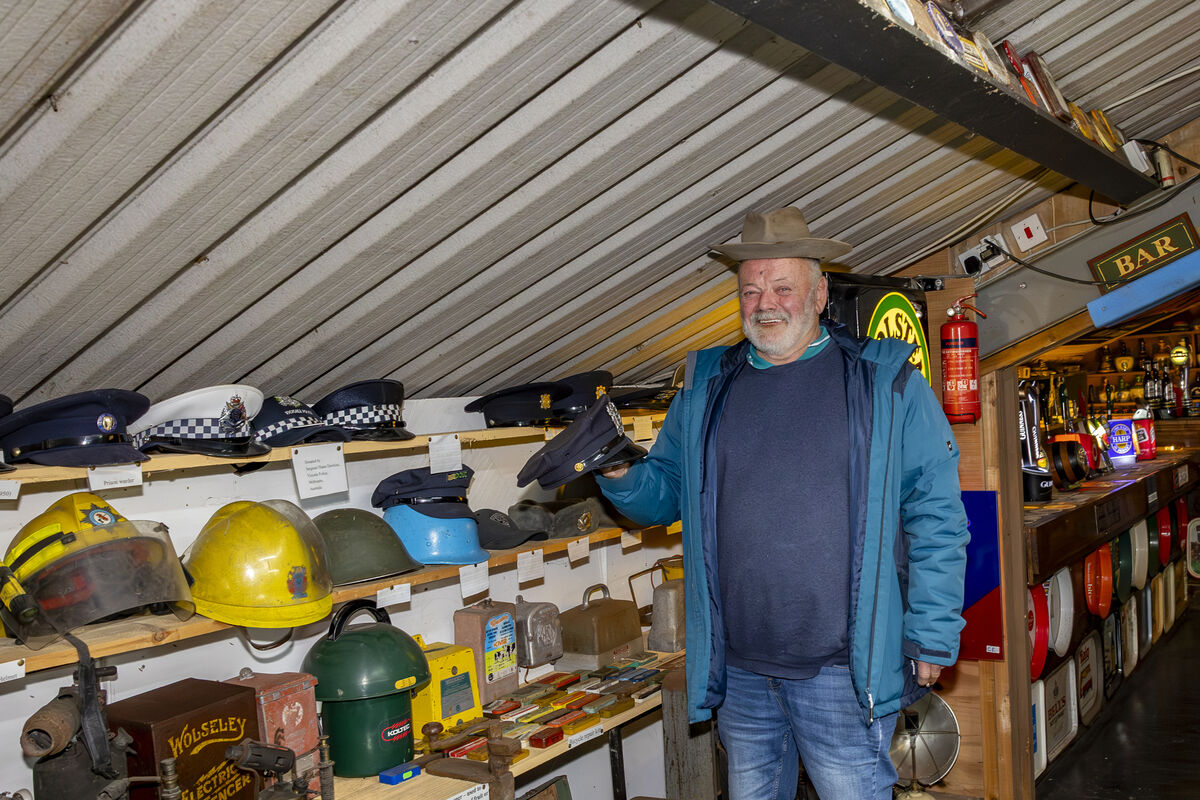
"I started going to vintage shows and spotted the little collections people had from old carpenters tools to household utensils. I said to myself, 'I’d like a bit of that.' And that was how it all started.
"It became a bit of an addiction as the collection got bigger and bigger. At first the stuff was displayed all together on long tables. I couldn’t quite nail down what was wrong with it.
"Then a boy visiting who was about 16 asked me if I ever thought of creating a shop or a classroom.
"I was kicking myself that I hadn’t thought of it before because it seemed so obvious in hindsight. It was then that we set up the classroom, the shop, and the chemist among other areas.”
Denis says many visitors are surprised by just how much daily life in Ireland has changed.
"For example back in the late '50s and early '60s, all medication came in liquid form. When you handed in your prescription the chemist went into the back room and mixed up the bottles. Nowadays, they can just pop the medication in a box.
"A lot of things have changed over the years. The grocery shops are also dramatically different now. Up until the '70s you could buy loose biscuits. The shopkeeper gave you a bag and the price depended on the weight. A customer would normally be paying for a quarter or a half pound of biscuits. They could be a mix of biscuits like ginger nuts and custard creams but there was always a good variety.”
Some of the quirkier artefacts include a device to polish and wash eggs and a machine to peel apples.
“You can tell from many of the items in my collection that everything back then was robust and made to last. There is a machine here that is specifically made for peeling and coring apples. It’s at least 100 years old.
"You know the person who owned this must have been well off as in those days as a lot of the Irish people didn’t even have food, never mind a machine to peel apples. It still works perfectly to this day.”

CONNECT WITH US TODAY



Be the first to know the latest news and updates