Mick Clifford: Why are people dying alone and undiscovered?
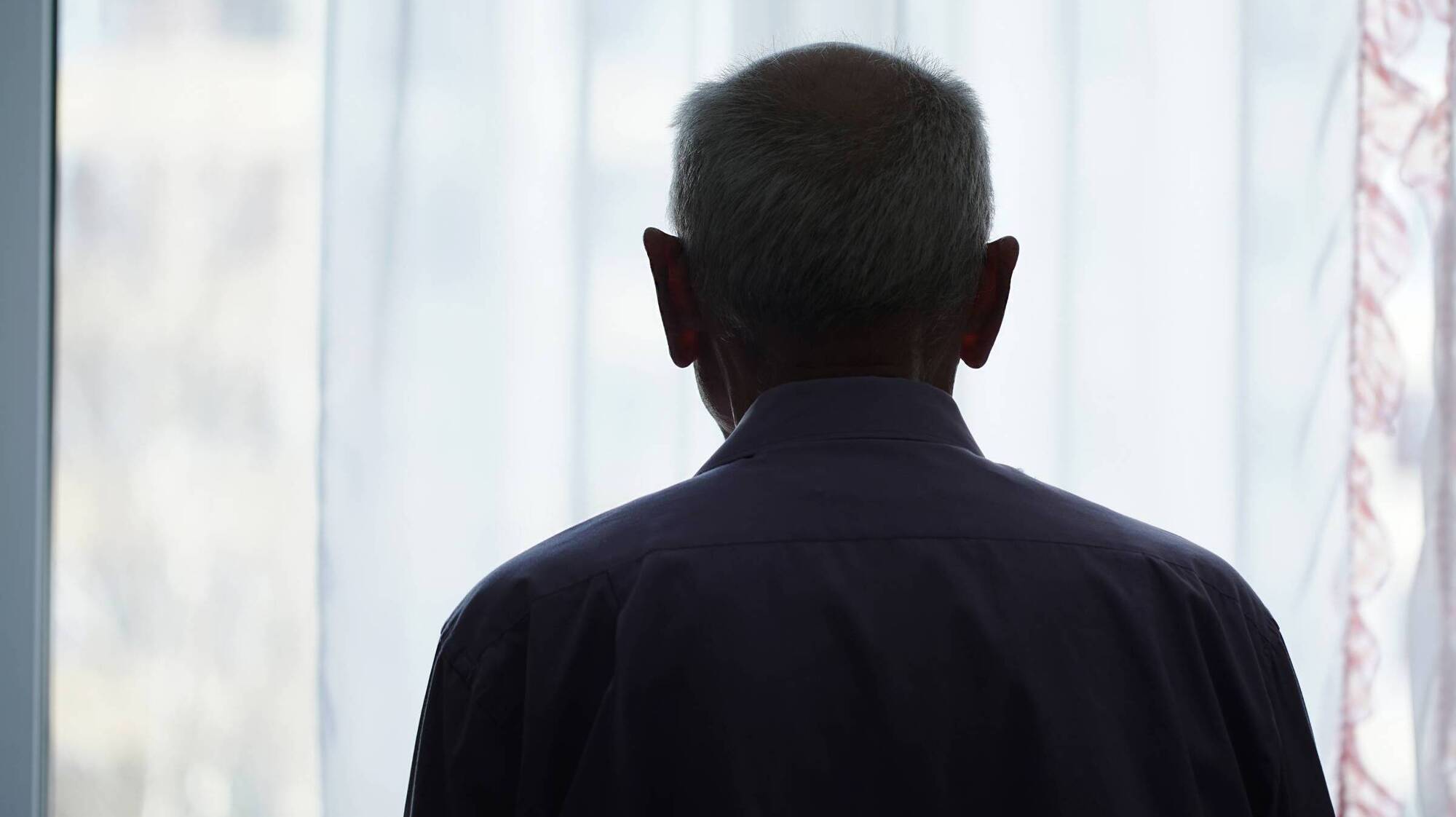
Human remains being discovered months or years after a death in their own home point to profound issues with loneliness in our society that need to be addressed
While we should certainly not make assumptions about any one person's death, Alone and other advocates say a disconnection from society can sometimes lead to a sad and lonely death.

While we should certainly not make assumptions about any one person's death, Alone and other advocates say a disconnection from society can sometimes lead to a sad and lonely death.

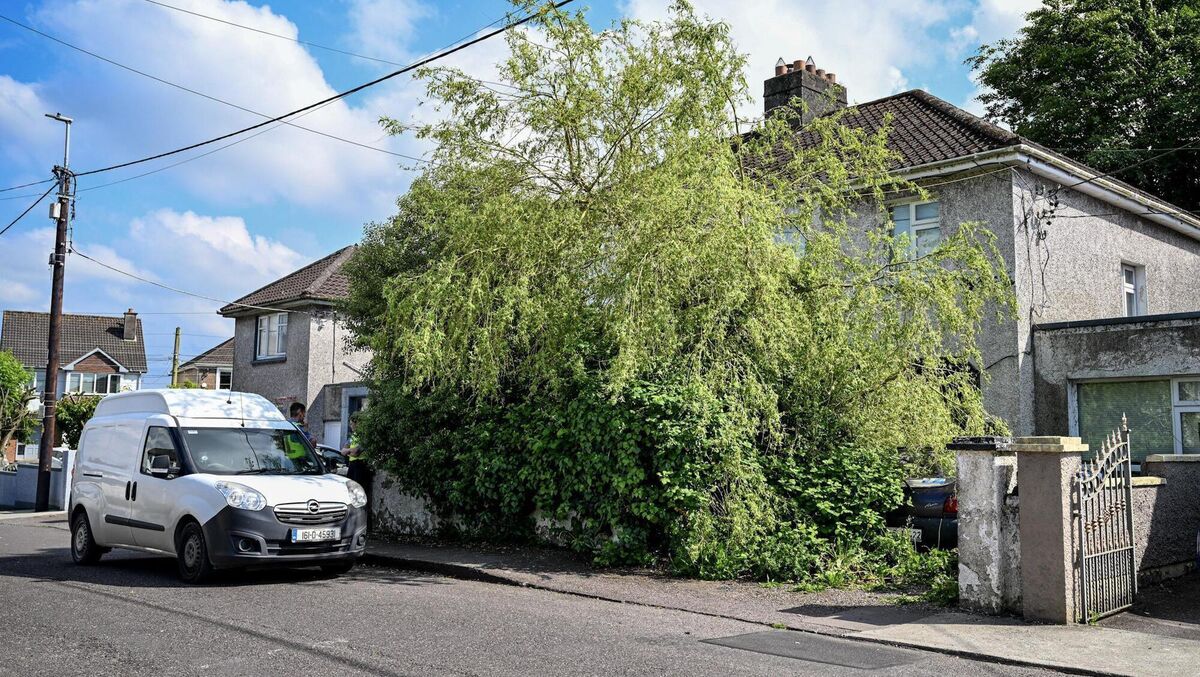
Joyce O’Mahony’s body was discovered in her home at Brookfield Lawn in the Lough in Cork city earlier this week. She is believed to have died around 18 months ago, although this is yet to be confirmed. 

Ms O'Mahony lived the latter part of her life in the same home where she was reared. Her father Thomas was a GP who had a large practice in the Lough area.
He died in 2010. 

Joyce returned home to look after her elderly mother. According to a report in the Irish Examiner, Patsy O’Mahony was known locally as a 'stylish, kind, and musical person' in the area. 

She died from covid in a nursing home in 2021 at the age of 91.

There were three other O’Mahony siblings, but it appears any efforts on their part to reach out to Joyce were rebuffed. She was accustomed to staying in her home during the day, often emerging only after the sun went down. 

The overgrown garden at the front of 13 Brookfield Lawn in Cork City covered a multitude — including the passing of Joyce O’Mahony, whose remains may have lain in her home for 18 months after her death. Picture: Chani Anderson

Her routine and lack of engagement with family or neighbours suggests a personality that had withdrawn from society. There could have been many reasons for that, but the ultimate outcome was a solitary life and a lonely death.

Poignantly, life went on all around Joyce

There is a particular poignancy about a person’s body remaining undiscovered in the home in which she grew up, located near a busy amenity such as the Lough. 

The customary closure on a life, the gathering of those who knew or loved the deceased person, the funeral rite, the committing of a body to the ground or to ashes, is all absent. Memories are not shared, the quiet recollection of sightings or encounters do not get an airing or even consideration by casual acquaintances.

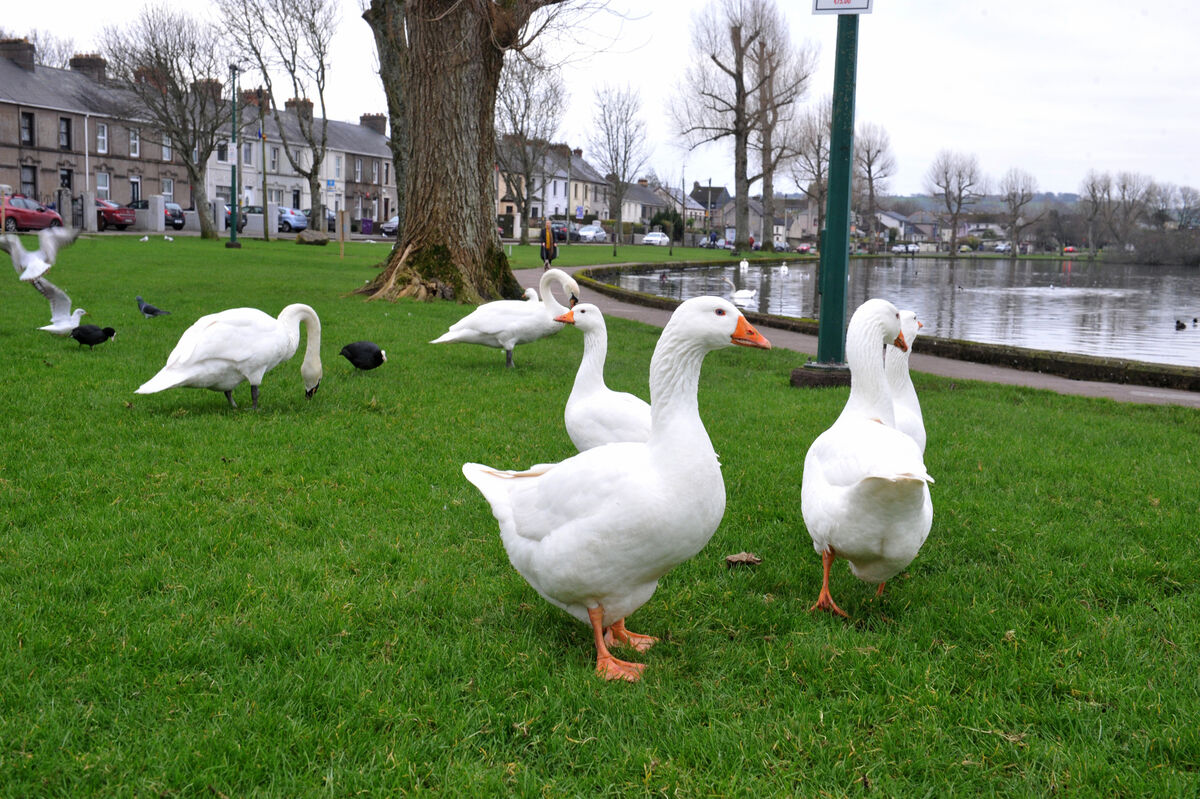
The Lough in Cork is a quiet suburb with a wildbird sanctuary at its heart. It seems particularly poignant that Joyce O’Mahony died alone nearby as life went on and people strolling around The Lough enjoyed the quiet, the waters, and the trees and wildlife there. Picture: Larry Cummins

Life goes on

Outside, just yards from where a body lies, life goes on in near proximity to death’s unfinished business. Quite possibly, if not probably, some who knew Joyce in earlier phases of her life may have passed by the house occasionally or frequently.
Children would have played on the same streets where she did in her own childhood, the seasons’ turning reflected on the waters of the Lough and the surrounding foliage while her body remained undisturbed nearby, a life ended but not closed. 

In such a vista, the loneliness that may have afflicted the person concerned appears to follow her way beyond death.

Joyce O’Mahony was 58. 

'Loneliness shortens lives' 

Seán Moynihan, the chief executive of Alone, the agency that works with and supports older people, says that research has shown that loneliness shortens lives.

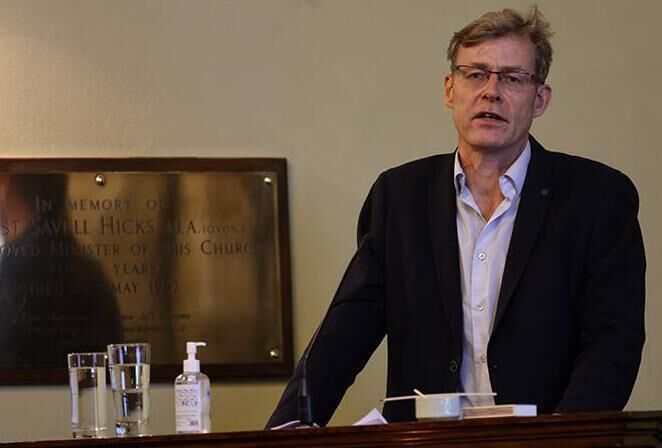
Alone CEO Seán Moynihan: 'There could be a disability. Some people don’t marry... There are the fractures, retirements, bereavements, poor health. All those things lead to losing connections, to fractures in life.' Picture: Arthur Carron

“We see this all the time,” he says. “We have thousands of volunteers who visit and what visiting does is improves people’s mental health, and wellbeing. 

When they get lonely, they lose confidence and wonder why anybody would like their company.

“That ability to link back into the community is lost. 

"Some loneliness is there all their lives. There could be a disability, some people don’t marry and then there are the fractures, retirements, bereavements, poor health. 

"All those things lead to losing connections, to fractures in life.”

Loneliness is a public health issue

Loneliness, Mr Moynihan points out, is a public health issue and one demanding of greater attention as it has increased in the kind of society in which we now live.

“There are three things in particular that have led to this,” he says. 

“The change in family sizes means there is less support than there used to be. Then we have an aging demographic and all that comes with that. And the third thing is technology online.

“People don’t have to engage with others, as always was the case, when you have Amazon and Tesco online and the like, which are good companies providing a service, but that’s what leads to less engagement.

"The online element has probably also led to loneliness among the young.”

The nature of a solitary existence is such that the vast majority thus afflicted never come to public attention.

Last year, for instance, Alone dealt with 33,000 older people with all sorts of issues ranging across housing, health, and transport. 

Of these, around 63% had loneliness issues that have in one way or another contributed to affecting physical and mental health.

“For every one hundred people who are lonely, you end up with one of these tragic cases that was in the news this week,” Mr Moynihan says.

“These are extreme cases but they have become more prevalent because we have more prevalence of loneliness.”

Mark Watters

On May 7, Mark Watters was found in the hallway of his flat just off Main St in Castletownbere, Co Cork. 

It is believed he died last December. 

There was one report of an unopened Christmas card, dated December 18, found on the premises.

Last August, his former partner, who lives abroad, contacted a mutual friend in the town to enquire about his whereabouts. The gardaí checked with his welfare record which reflected that he was attending for his entitlements and they reported as such.

He was originally from Dublin, but living in West Cork for many years. Described locally to an Irish Examiner reporter as “a tortured soul”, he kept himself to himself. He died alone and his body remained where it fell until discovered months later.
Ironically, the nature of society today dictates that somebody who goes missing, or is not seen for an extended period, is far more likely to be missed in a rural setting rather than an urban area.

Our changing way of life

“You might well be missed more in a small hinterland than you would a town,” Mr Moynihan says. 

“Society has changed the places that people meet, the places where relationships were built up. A lot of them are gone.”

The changing way we live is also reflected in surveys that suggest loneliness in this country is higher than might have been in previous decades when a more intimate society prevailed.

Last year, a major survey of 20,000 people undertaken by the EU commission found that loneliness was most prevalent in Ireland. Over 20% or respondents in this country admitted to feeling lonely, while the lowest levels, all below 10%, were observed in the Netherlands, Czech Republic, Croatia, and Austria.

The societal nature of the issue has been recognised with the establishment of a loneliness task force, which meets quarterly and produces evidence-based research to see how best to tackle it.

There have been other cases in recent years of people dying and going undiscovered for an extended period.

Tim O'Sullivan

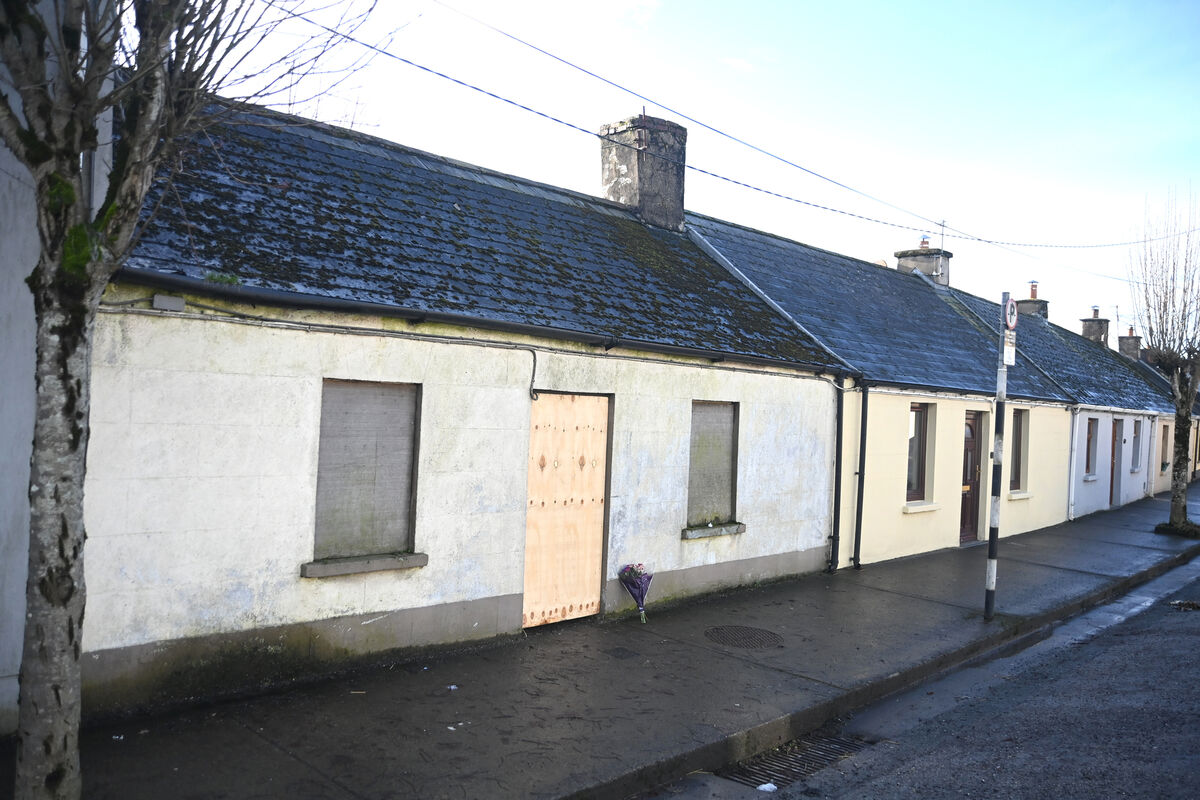
Last year, one of the most tragic cases in this respect came to attention in Mallow, Co Cork. Tim O’Sullivan’s body lay in his bed, fully clothed, for 22 years.

Tim O’Sullivan’s remains were discovered in this boarded-up property on Beecher St in Mallow, Co Cork in January 2023. Picture: Larry Cummins 

When the gardaí did an inventory of his home on Beecher St in early 2023, after council workers discovered the body, they came across a diary. 

Entries were made for January 9, 10, and 11, 2001. 

The entry for January 9 read: “Going to Tesco today, first time.” A receipt from Tesco for that day was found.

He had been claiming jobseeker’s allowance from the previous October. Then, on January 23, 2001, the department closed his file automatically when three successive payments went unclaimed. There was probably an assumption that he had found work.

There had been efforts by siblings, particularly one sister in the UK, to make contact with him, but as in other cases, it would appear that he had withdrawn to the greatest extent. 

His diary entry was poignant. Was the first time going to the Tesco store, which was relatively new at the time, an occasion of trepidation or one of excitement? Was Mr O’Sullivan at peace in his solitary condition? Did he have any recourse to comfort in personal religion or any other matter of conscience?

It’s highly unlikely that Mr O’Sullivan’s demise would have gone unnoticed in earlier generations, when Ireland was a different country, cruel in some respects, but intimate in its societal connections.

Mr Moynihan says public policy must be focused on ensuring that those on the periphery are drawn once more back into society.

“What we once did by instinct we now need to do deliberately,” he says.

x

More in this section

Lunchtime News

Newsletter

Get a lunch briefing straight to your inbox at noon daily. Also be the first to know with our occasional Breaking News emails.

Cookie Policy Privacy Policy Brand Safety FAQ Help Contact Us Terms and Conditions

© Examiner Echo Group Limited