Bogs, Brussels, and birthrights: Cutting turf is not just a right but a religion in rural Ireland
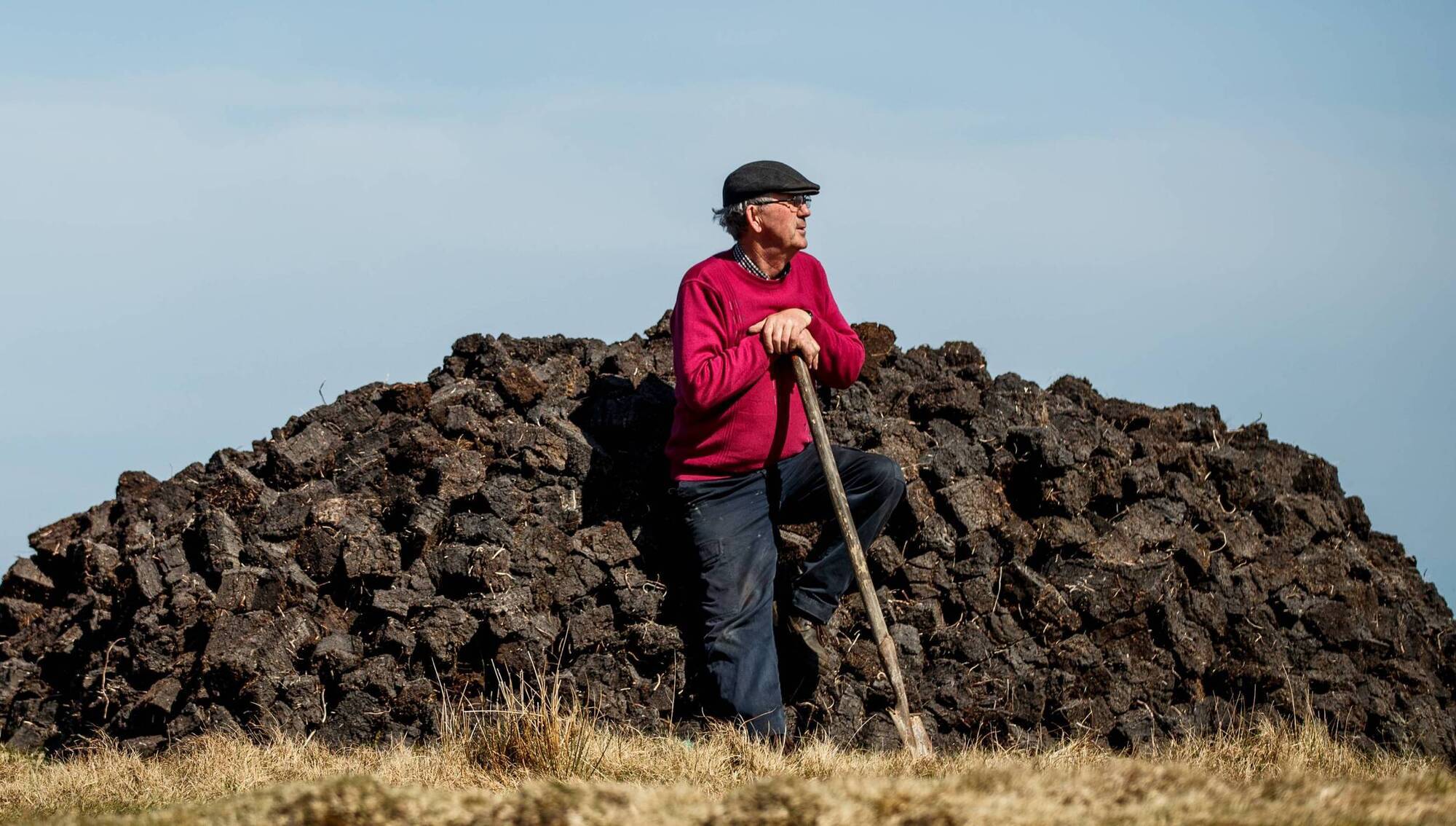
Seamus Murphy takes a rest from turf-cutting at Kilgalligan bog, Mayo. File picture: James Crombie
For many others, some whose Land Rovers only get dirty heading to Roundstone for bank holiday weekends, “the bog” is little more than a byword for a lack of sophistication. An arcane exposition of a forgotten Ireland.
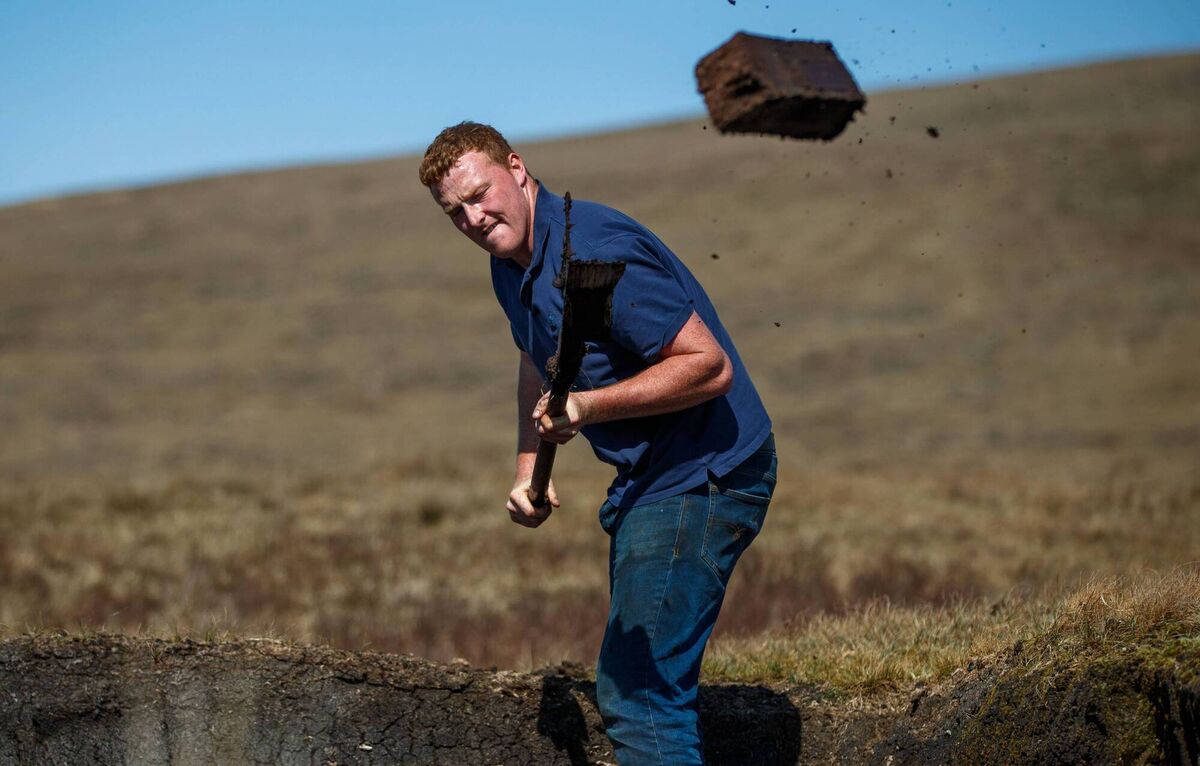
I wish I could lead these people by the hand and bring them to places like Brackwansha or Crucspullagadaun and have them stand in the stillness amongst the heather and the bog cotton; have them look skyward like amateur meteorologists, predicting the weather and how it will affect the freshly-cut turf; have them close their eyes and listen to the birdsong. Watch turfcutters talk to their bog-neighbours, the ones they only see from May to July each year, the ones they talk football and funerals to, conversations often executed from 100 yards, nothing between them but an air thick with silence.
I can guarantee you that you’ve never heard silence like the silence of an Irish bog. If Vanta Black is the blackest black in existence, bog silence is the quietest silence. How some nefarious government hasn’t weaponised it is beyond me.
CLIMATE & SUSTAINABILITY HUB
“I was on a date in Galway recently, and the girl I met said she’d bring me a bag of turf if we’re still going in the summer,” jokes Tom, a man from East Mayo living and working in Dublin.
“It’s not all we talked about, but I believed her.”
For Tom, and many others, the bog remains a defining part of modern life.
“I can’t tell you how many conversations a week I have with the brothers at home about the bog and turf, which is funny considering I’m sitting in an office up in Dublin, dealing with matters of a slightly different nature.”
Turf-cutting typically happens for most in late April/early May, depending on how dry the spring has been.
“I decided to play another season of football with the club this year, and it’s funny to think the number of texts in the team group that will come from lads saying they’ll be missing matches or training because of saving turf,” he says. “I’ll have to send a few myself! It’s just the way it is. The manager might forgive me; my aul’ fella never would.”
It’s a sense of duty I know too well. We cut turf well into my 20s, and bog season always overlapped with Gaelic football. The only concession on game day was a shorter shift in the bog. A fine day was never, ever to be wasted, regardless of who you were playing that evening. Like many things in life, when you stop doing something, you think everybody else stops too.
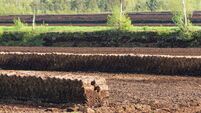
The sequence of events never changed. First, you cut it and let it breathe. Then you turned it, a back-breaking ordeal. Next came the footing, which involved standing sods against each other, allowing them to air and dry. This was followed by bagging or stacking at the side of the road. Finally, depending on the condition of the turf, and the availability of able bodies, the turf was drawn, or saved, taken home to be stacked in ventilated sheds.
The last time we cut turf was perhaps 20 years ago. Our backs may have thanked us, but our busy heads did not.
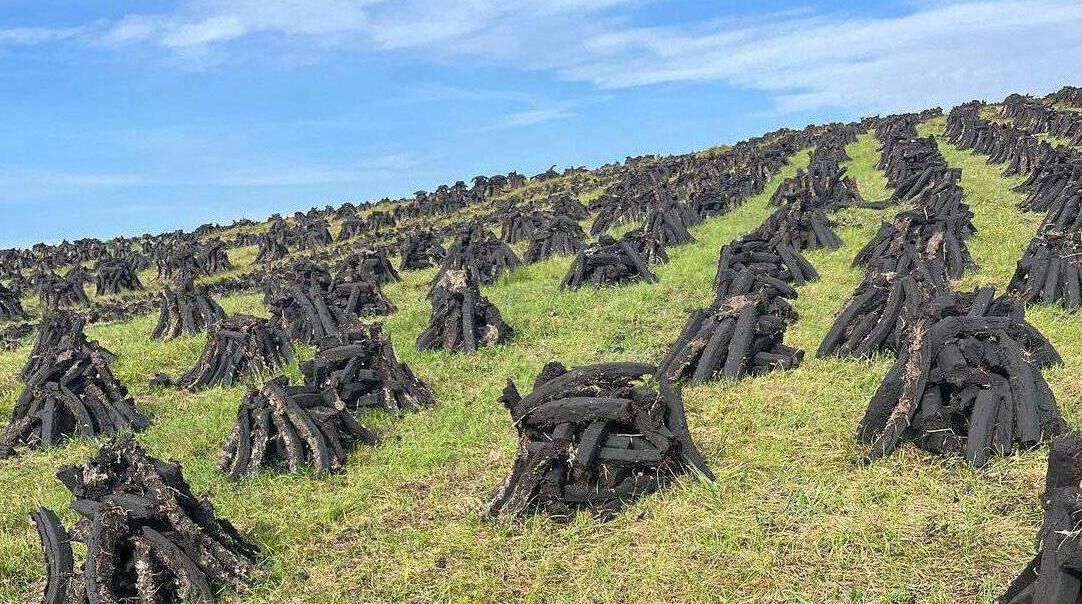
The bog may have been an oasis of calm, but tranquillity won’t heat your house. Cutting turf is done out of economic necessity, not as an act of quaint catharsis.
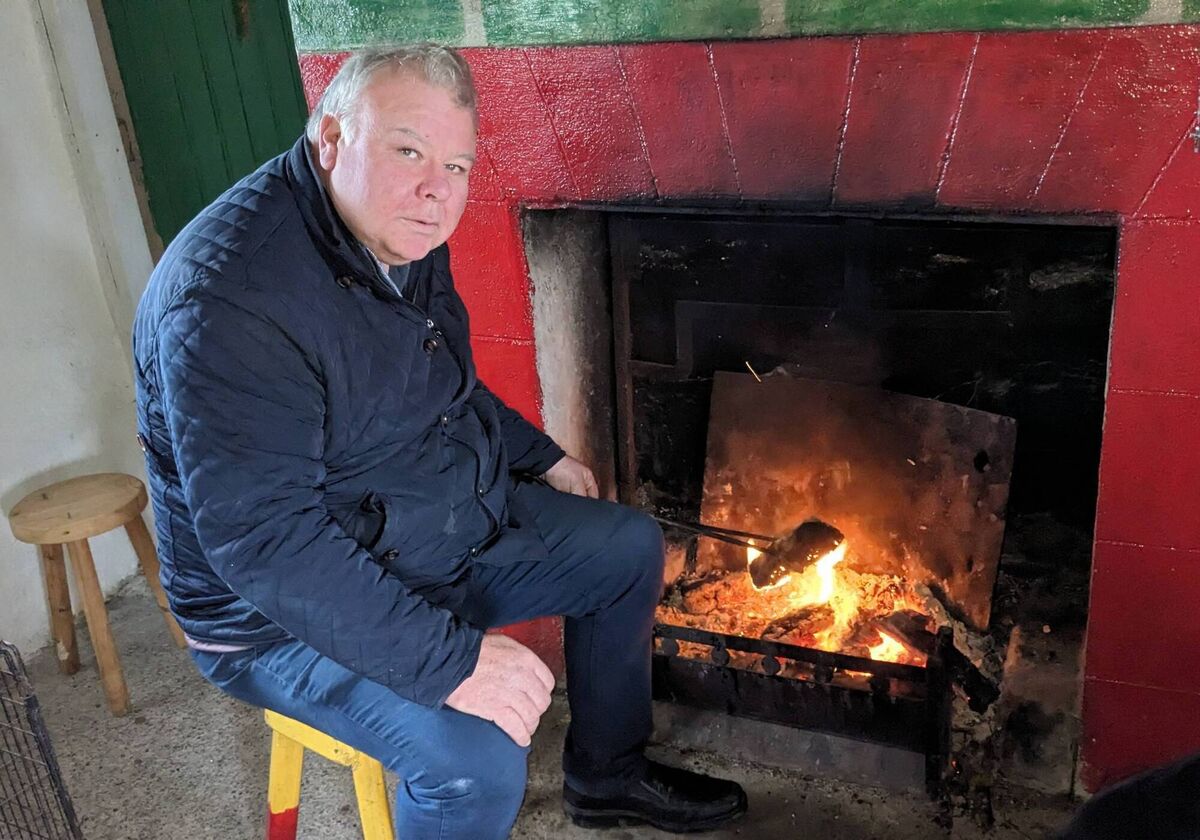
“We have a range in the kitchen and an open fire in the sitting room. From
October til Easter, they’re both on almost every day.”
According to the 2022 census, some 68,000 households across Ireland are mostly dependent on turf for home heating. In 2016 it was 79,000 and in 2011 90,000. A decline surely, but a gradual one.
Not surprisingly, Offaly, which has some of the largest bogs in the country, has the highest number of householders who use turf for home heating, at 27%, followed by Roscommon (20.4%), Galway (17.6%), Longford (14.3%), Mayo (13.8%), Westmeath (13.5%), and Laois (11.5%).
In 2022, the Irish Government banned the sale of turf as part of its climate-change measures and to improve air quality, but it continued to allow householders to have turbary rights to cut and carry away their own turf from a designed plot of bogland. It also allowed turf cutters to sell their turf to friends and family, but not for commercial use.
In recent weeks, the European Commission decided to refer Ireland to the Court of Justice of the European Union for an alleged failure to apply the Habitats Directive to protect sites designated for raised bog and blanket bog habitats from turf cutting.
The Habitats Directive requires member states to ensure that their most precious species and habitat types are maintained, or restored, to a favourable conservation status.
The Government defended its position, stating Ireland had proactively engaged with the European Commission in relation to alleged breaches and stands ready to defend its position. The State, it said, has invested significantly since 2011 in the conservation and restoration of peatlands.
Roscommon-Galway TD Michael Fitzmaurice, chairperson of the Turf Cutters and Contractors Association, expressed outraged at the move and said it has “obliterated years of progress” made through negotiation and consultation between the National Parks and Wildlife Service and domestic turf-cutters and contractors.
There is anger on the ground too.
Michael, a turf cutter in East Roscommon, feels completely abandoned by both the Government and the European Commission, which, he says, are completely out of touch with his reality.
“This has been coming for years,” the small farmer, 62, says, “Dublin governments don’t give a shit about me, or people like me. I need the turf to heat my home. I used to make a few pound selling to the local petrol station. I lost that. Now they’re coming for my turf directly.
“It’s bad enough worrying about how wet March has been. How bad this year’s turf might be. Whether my own health will hold up to get it all home. Now we have to worry about Brussels as well.”
Will pressure from the Government and beyond force people like Michael to stop harvesting turf altogether?
"None of us are here forever. Why not leave us alone to do what we have to do, need to do, to survive?”
What about Tom, balancing life in Dublin and playing football and saving turf, not to mention a burgeoning romance? “I doubt my father even knows about any potential ban, and I’m certain it won’t stop him,” he says.
“He’s already been talking about the mistakes we made with it last year.
“The turf was left too long in the bags, so was too brittle to burn well.
So, he’s only talking about improving, not slowing down.”
Did he ever get the bag of turf from his date?
“To be fair, nothing is cut yet. So if we’re still going by the time it’s all home and saved, I might get a bag. I might even do a day with her turning it. Just don’t tell me aul fella.”

CONNECT WITH US TODAY



Be the first to know the latest news and updates