We need to be 'weaning ourselves off' corporation tax windfall, ESRI tells Government
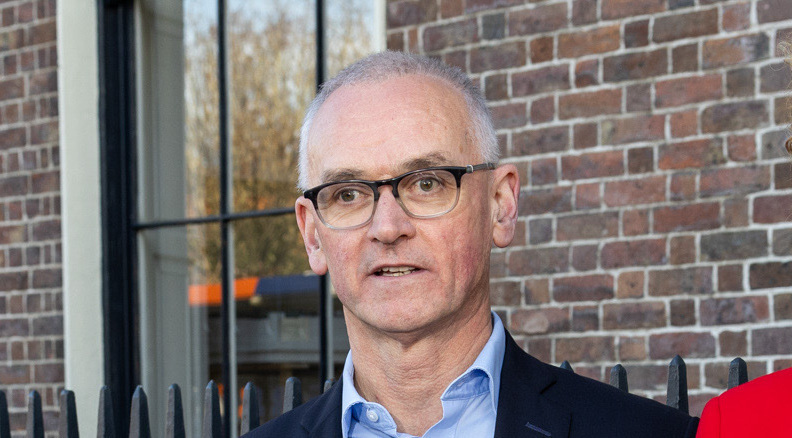
Alan Barrett: 'The money is there, so it would be a good idea to be saving it in a sovereign wealth fund of some sort.' File picture: Karl Hussey/ Naoise Culhane Photography
Ireland needs to “wean itself off” its reliance on corporation tax if it is to stave off the effects of a potentially devastating global recession, the Government has been warned.
The latest quarterly economic commentary from the Economic and Social Research Institute (ESRI) says Ireland is currently being buffeted by two international “cross currents” — the negative effects of the energy crisis due to the conflict in the Middle East, together with the more positive impact of the mass investment seen in artificial intelligence (AI) globally.
Ireland has for many years been heavily reliant on corporation tax receipts from tech multinationals, many of whom have established regional headquarters here.
In 2025 the country took in €32.9 billion in corporation tax, a 17.2% or €4.8bn increase on the take in 2024.
The ESRI warns, however, that with a drop-off in investment in AI likely given the sheer volume of money thrown at the technology worldwide with to-date negligible resultant profit, Ireland needs to be in a position of self-reliance, with any windfall corporation tax invested rather than spent.
“Rapid investment in new technologies comes with expectations of returns on those investments, which may not materialise,” the organisation said.
Co-author of the quarterly commentary, Alan Barrett, noted that the €17bn worth of windfall taxes being taken in by the State is “the real concern” at present. “We should be trending in the general direction that we are weaning ourselves off that windfall,” he said.
“The money is there, so it would be a good idea to be saving it in a sovereign wealth fund of some sort.”
The commentary discusses Ireland’s advantageous position as an open economy to reap the benefits of the outsize investment that has been seen in AI over the past four years.
Report co-author Conor O’Toole noted the ESRI’s general forecast is that actual AI investment into Ireland is “likely to continue, certainly in the near term”.
Despite that, Mr O’Toole said the huge multinationals which are providing the bulk of Ireland’s corporation tax windfall are the same companies “that are making these large investment plays on the AI economy”.
“If those return expectations don’t play out for those investments and those companies take a hit in terms of both their profitability and their employment basis, that will hit Ireland,” he said.
The report noted that inflation in Ireland on foot of the global geopolitical crisis has mostly been seen in the housing, domestic energy and transport sectors, and has yet to seep into other parts of the economy.
It also warned that heightened debt pressure internationally is leading to increases in longer-term borrowing costs for governments, a situation not dissimilar to the beginnings of the global financial crisis 15 years ago.
CONNECT WITH US TODAY



Be the first to know the latest news and updates