Government should listen to itself on spending, finance watchdog tells TDs
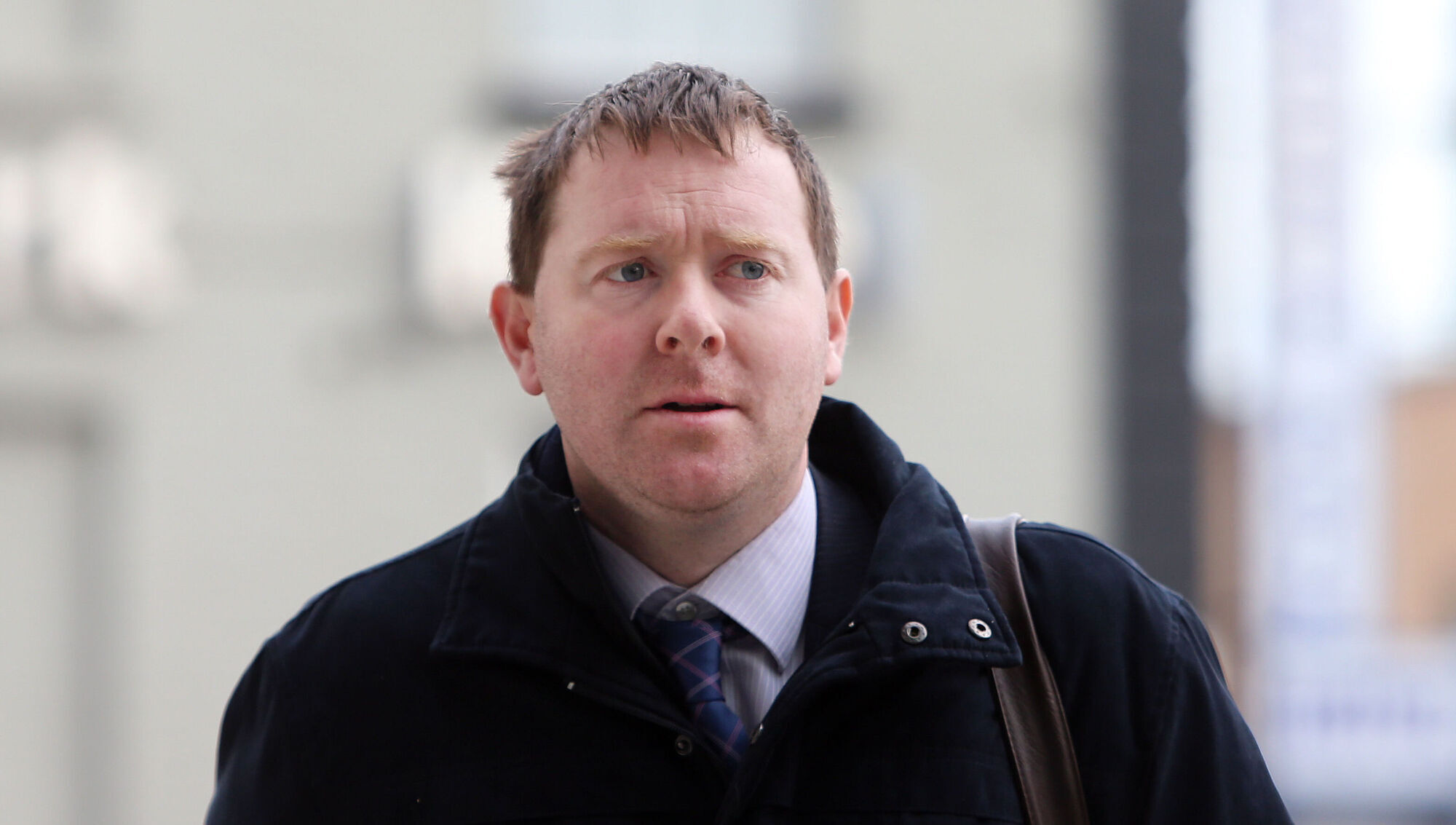
Seamus Coffey: 'Higher energy prices would typically cause growth to slow down'. File picture
The country's financial watchdog said it will continue to raise warnings about government spending, but that the Government should "listen to itself".
Representatives of the Irish Fiscal Advisory Council (Ifac) appeared before the Oireachtas select committee on budgetary oversight on Tuesday and told TDs that, while the economy is still strong, it is also heavily reliant on corporation tax.
In his opening statement, Ifac chairman Séamus Coffey said that while wages increased faster than prices again last year, the "key uncertainty the economy faces right now is energy prices".
"Higher energy prices would typically cause growth to slow down," he said.
"This is particularly true for Ireland which is still heavily reliant on fossil fuels imported from abroad. However, in recent years the Irish economy has proven to be highly resilient to changes in the external environment."
Read More
Ifac has repeatedly criticised planned Government spending increases, warning last week that they are “well above” the sustainable growth rate of the economy.
Ifac said Government spending in the near term is set to grow at the fastest rate in Europe, increasing reliance on corporation tax receipts.
Social Democrats deputy leader Cian O'Callaghan asked if Ifac would continue to make such warnings if they were not being acted upon.
Mr Coffey said his organisation would continue to carry out its work but that it would be "better if the Government listened to what they are saying themselves".
He added that the Government should stick to its own stated rule of limiting spending increases to no more than 5% per year, a policy that has since been scrapped.
"One step will be not only for the Government necessarily to listen to what the fiscal council is saying, but to listen to what they're saying themselves in terms of the things that have been set out over the last number of years," said Mr Coffey.
"Whether it's the now disregarded 5% rule that was sort of there, not necessarily in place, but sort of there for a number of years, whether it's the annual budget figures which are exceeded on a yearly basis with overruns across various departments, or whether it was the intention and the stated intention of these savings funds which were set up to set aside some of these bumper corporation tax receipts."
Labour Party TD Ged Nash said that it was "quite extraordinary" that the State would have to borrow in the future to put money into its rainy day funds.
- Paul Hosford, Deputy Political Editor