Colin Sheridan: TJ Reid made extraordinary part of the service
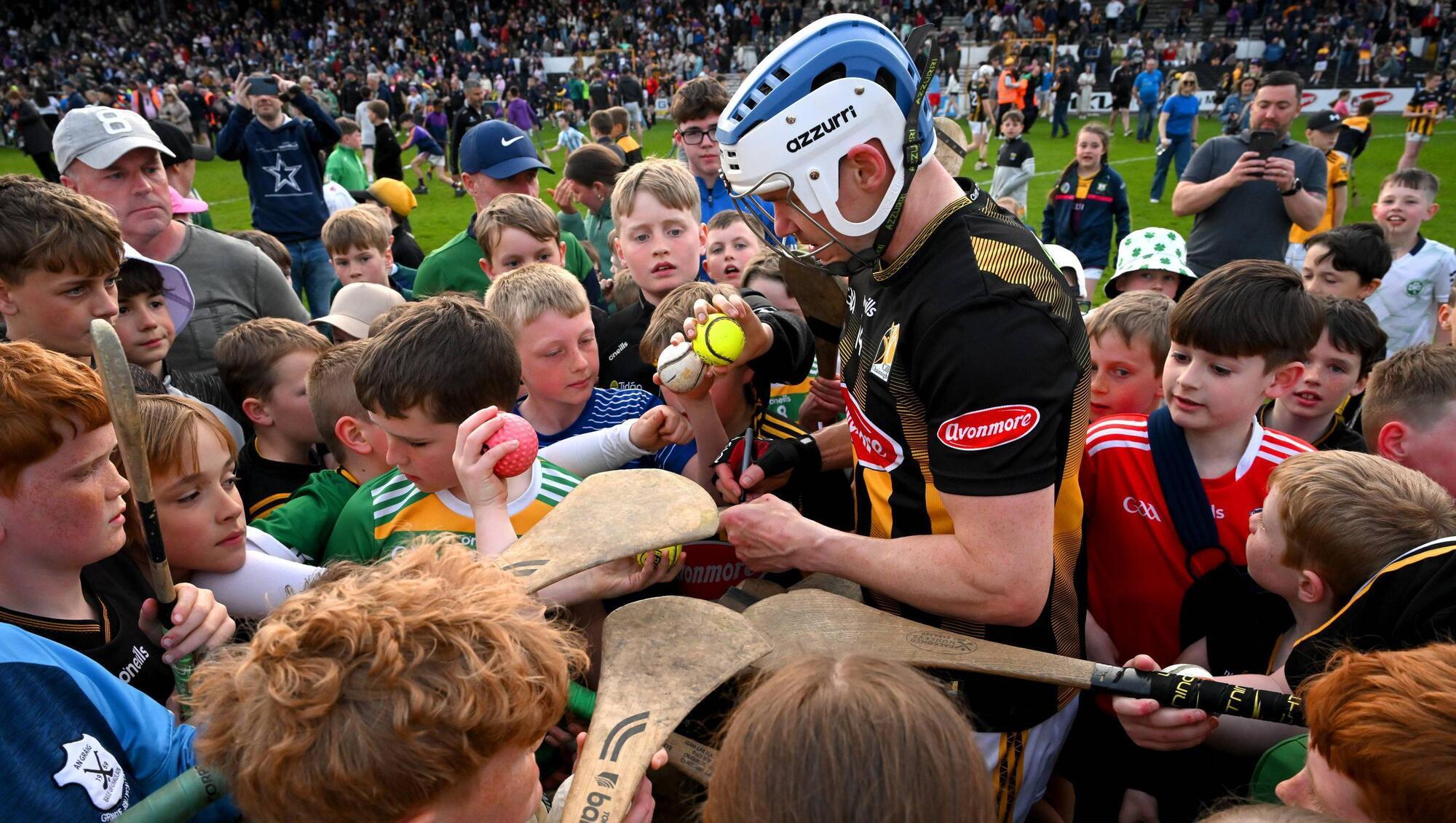
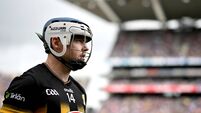
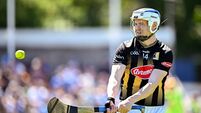
Young supporters surround TJ Reid of Kilkenny as he signs autographs. Pic: Ray McManus/Sportsfile
The trouble with TJ Reid was that, after a while, you stopped saying 'Jesus'.
A sliotar would arrive somewhere above his head, accompanied by filthy corner-backs with legitimate grievances about his continued existence.
Reid would catch it, come down, find the half-yard nobody else could see and send it over the bar. You would nod. TJ.
As though that explained it. As though two initials constituted a satisfactory scientific account of what had just happened. This was his great offence against our capacity for wonder. He kept doing extraordinary things until we began to regard them as part of the service.
The lights came on. The kettle boiled. TJ scored eleven. Only now, with his retirement from intercounty hurling after 20 seasons, do we have to consider the possibility that these things were never quite as straightforward as he made them look.
Seven All-Irelands. Seven All-Stars. Fourteen Leinster titles. The championship’s all-time leading scorer, with 43 goals and 672 points. You could spend the afternoon arranging the numbers.
They would still tell you less than the sight of him standing beneath a dropping ball, apparently the only man in the vicinity who knew where it was going.
There are hurlers who make you fear for their opponents. Reid sometimes made you feel sorry for them. A defender could do practically everything right. Get close. Stay strong. Watch the hips. Resist the dummy. Then Reid would do something with his wrists and the unfortunate man would discover he had spent the preceding five seconds preparing for a different sport.
An alchemist with a hurl in his hand. Ash and leather in; gold out.
The funny thing is how long it took him to get the laboratory to himself. Reid joined the Kilkenny senior panel in 2007. In most counties, a talent like that would have been given a jersey, a central role and possibly a small bypass named after him.
In Kilkenny, there was a queue. Henry Shefflin. Eddie Brennan. Eoin Larkin. Richie Power. Martin Comerford. Trying to establish yourself in that company was like turning up at the Last Supper and asking whether anyone needed a sandwich.
There were medals before there was certainty. Selection, substitution, frustration. The man who would become impossible to imagine Kilkenny without spent years wondering whether there was a place for him.
In 2012, at 24, he considered walking away. Dropped for the All-Ireland quarter-final against Limerick, he had had enough. Shefflin spoke to him. Reid also opened up to Brian Cody about how he felt. That could’ve gone either way. Reid stayed. He finished that season with his first All-Star.
Three years later, he was Hurler of the Year. He scored 1-7 against Galway in the All-Ireland final. Kilkenny won. The familiar order appeared intact. Kilkenny haven't won the All-Ireland since. While they continued collecting Leinster titles, the absolute dominance began to fade.
Yet Reid kept getting better. Arriving when Kilkenny had a wealth of forwards, he became their defining figure as that supply thinned. His game was defined by feel: soft touch, generous passes, and catching that granted his team breathing space under pressure.
None of this happened by enchantment, however much we enjoyed describing it that way. The preparation, strength and repetition were part of the talent. Staying that good for that long meant returning to the work when everyone else had gone home satisfied with the performance.
His response to a scoring milestone in 2023 was revealing.
Told he had gone back to the top of the championship’s all-time list, Reid’s first reaction was: “Did I?”
Then he mentioned Patrick Horgan coming back the following year and turned his attention to getting his body ready for the final.
The record could look after itself. There was another match.
We should resist making his later Kilkenny years a sad story about the medals he might have won. Seven is a reasonably stout defence against sporting tragedy. There was Ballyhale, too, and a club career capable of exhausting a separate tribute.
But the years without Liam MacCarthy gave us something valuable. They let us see the player more clearly. When Kilkenny ceased to make winning look inevitable, Reid continued to make the improbable look perfectly manageable.
We had to find other explanations for the defeats. We rarely needed another explanation for the hope.
Now there will be a Kilkenny team without him. A ball will hang above the forwards and someone will have to go and win it. A free will have to be struck. A tight game will ask its old question.
For years, we barely waited for the answer.
TJ. We thought we were watching a man make magic. We had become so accustomed to it, we forgot to say Jesus.

CONNECT WITH US TODAY



Be the first to know the latest news and updates