Crisis response teams to tackle rural suicide
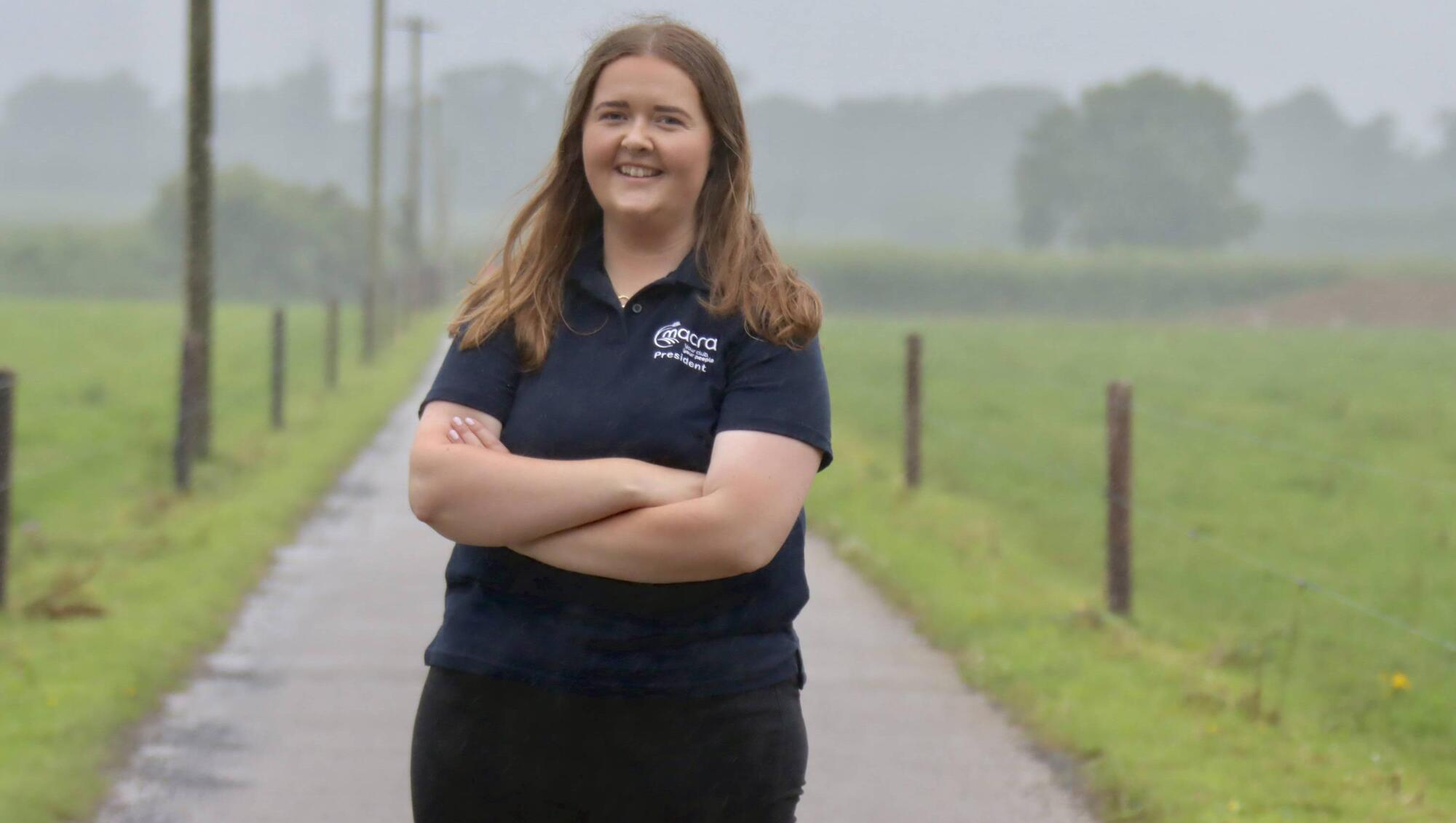
Elaine Houlihan, president of Macra na Feirme.
Crisis response teams are to be sent to rural communities grappling with suicides and other tragedies under an initiative launched on Wednesday.
The teams will be part of Make the Moove, a mental health programme launched after a spike in suicides in North Tipperary, Elaine Houlihan, president of Macra Na Feirme, told a meeting at the 92nd National Ploughing Championships.
“Today we are launching a crisis response team [as part of that programme] which will be free to rural communities,” Ms Houlihan said.
When tragedy struck her own community with the death of a 16-year-old, she reached out for counselling support for locals through the school, the gardaí and the Church.
But securing psychological support was difficult until the Limerick senior hurling team sent out its team psychologist to help, attending the house where the tragedy occurred, for two days, she said.
This help should be easily available to all rural communities at their darkest hour and the new crisis response team aims to plug that gap by providing free psychological support when people need it most, Ms Houlihan said.
There is a “massive need” for such supports, she said.
The scheme is not funded by government and she hopes that communities that benefit from the scheme will fundraise to help provide that same help to others.
“We hope it will be a success,” she said.
A dedicated helpline for rural people is also planned but it is about two years away from roll-out – she said.
“Rural isolation has always existed, but it’s only really been spoken about since covid,” Ms Houlihan, president of Ireland’s young farmer and rural youth organisation and a physiotherapist from a beef farming family in Co Limerick, said.
Ireland’s rural youth are more open than their predecessors and when they struggle with mental health, they can talk about it, she said.
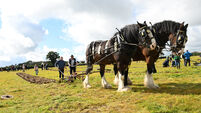
Meanwhile, at the Ploughing, Minister for Higher Education Simon Harris, said that all roads to higher education no longer lead to Dublin.
“We have worked as a party and as a government to bring universities into the region.
“We are moving beyond this idea that all roads must lead to Dublin in terms of accessing university education.
“We have now created five technological universities, meaning you can get a university education in Sligo, in Tralee, in Athlone, in Carlow, in Waterford as examples."
Three more veterinary colleges are also being planned for the country, he said.
“I think it is utterly unacceptable that we live in a country where so many young people have to go abroad every year to study veterinary medicine. At the same time as we know, farmers tell me on a regular basis they have difficulty accessing vets, particularly vets for large animals."
Three potential colleges have been identified for new veterinary schools - Limerick, Kildalton [Teagasc college] College in Kilkenny and a dual-campus model between Mountbellew [agricultural college in Galway] and Donegal.
"I will be now working intensively with the Department of Agriculture and my own department, and from a financial point of view, to try and make decisions on this later this year," he said.
"It is my instinct that we need more than one to proceed. I personally think we should see at least two proceed."
CONNECT WITH US TODAY



Be the first to know the latest news and updates