No-deal outcome at Cop31 ‘devastating’, says UCC lead delegate
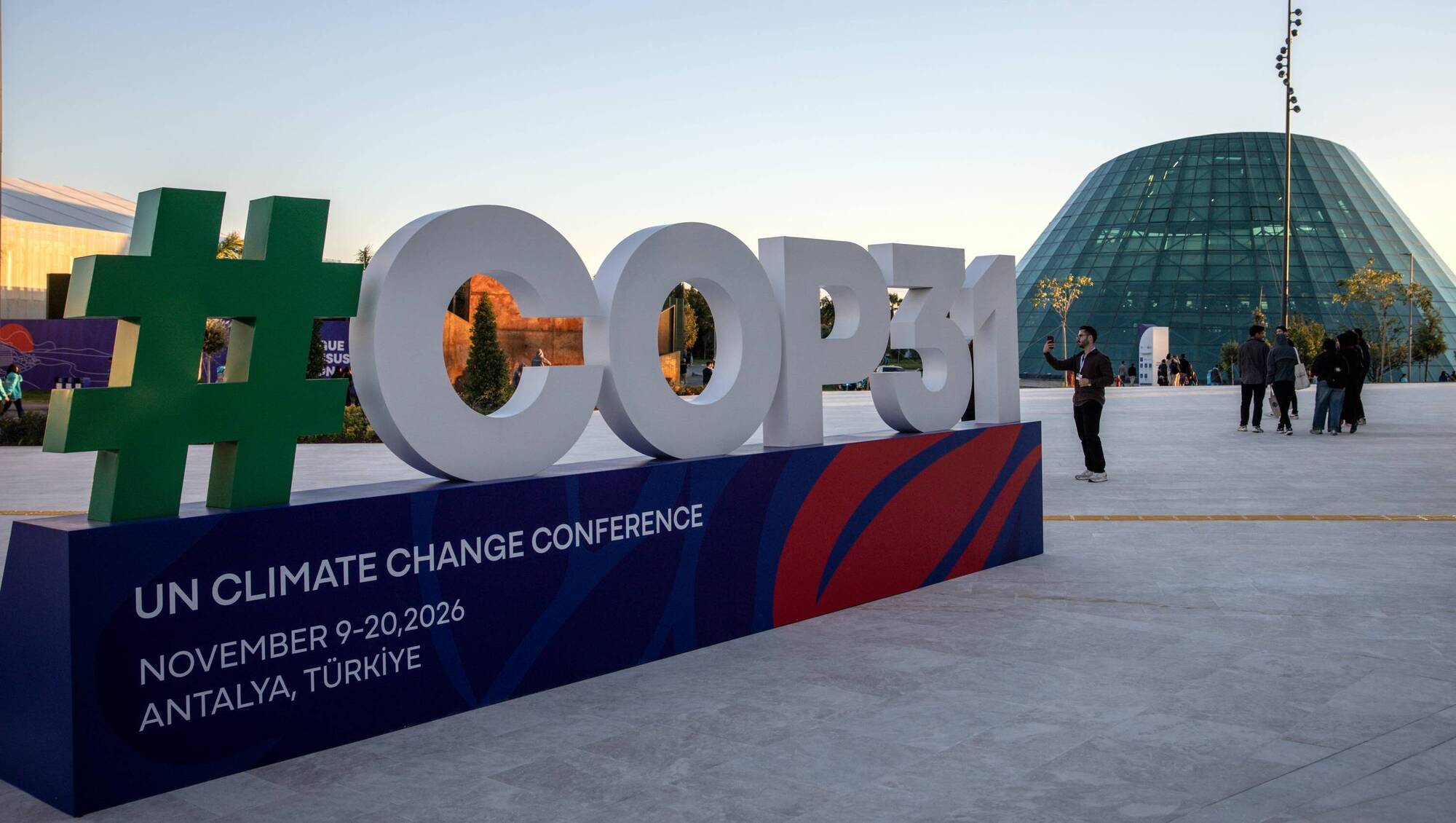
The UN’s climate forum Cop “will recover” following a Cop31 meeting that saw UN nations leave Antalya with no deal in place, according to UCC’s Cop delegation lead. Photo: Chris McGrath/Getty Images
The UN’s climate forum Cop “will recover” following a Cop31 meeting that saw UN nations leave Antalya with no deal in place, according to UCC’s Cop delegation lead.
“The transition away from fossil fuels is essential. This meeting was very disappointing, but we will recover, and we need to,” said Brian Ó Gallachóir, associate vice-president of sustainability at UCC.
This year’s edition of the climate conference was the longest on record, with the EU rejecting the final draft for a new climate deal, arguing the language was too weak in the face of a growing climate crisis.
Read More
The EU, the UK and a bloc of small island nations rejected the Antalya pact.
The last time a deal couldn’t be reached at a Cop was Copenhagen in 2009.
The proposed final draft made no reference to aspirations to cut down fossil fuel intake, wording climate minister Darragh O’Brien described as “unconscionable.”
“We will not endorse a decision that does not respond to the science and that actually risks deepening the chasm between global commitments and the action required,” Mr O’Brien said at Cop31 on behalf of the EU.
Mr O’Brien said the proposed pact functioned as ‘greenwashing’ for fossil fuels and said the deal was hijacked by a small number of states with vested interests.
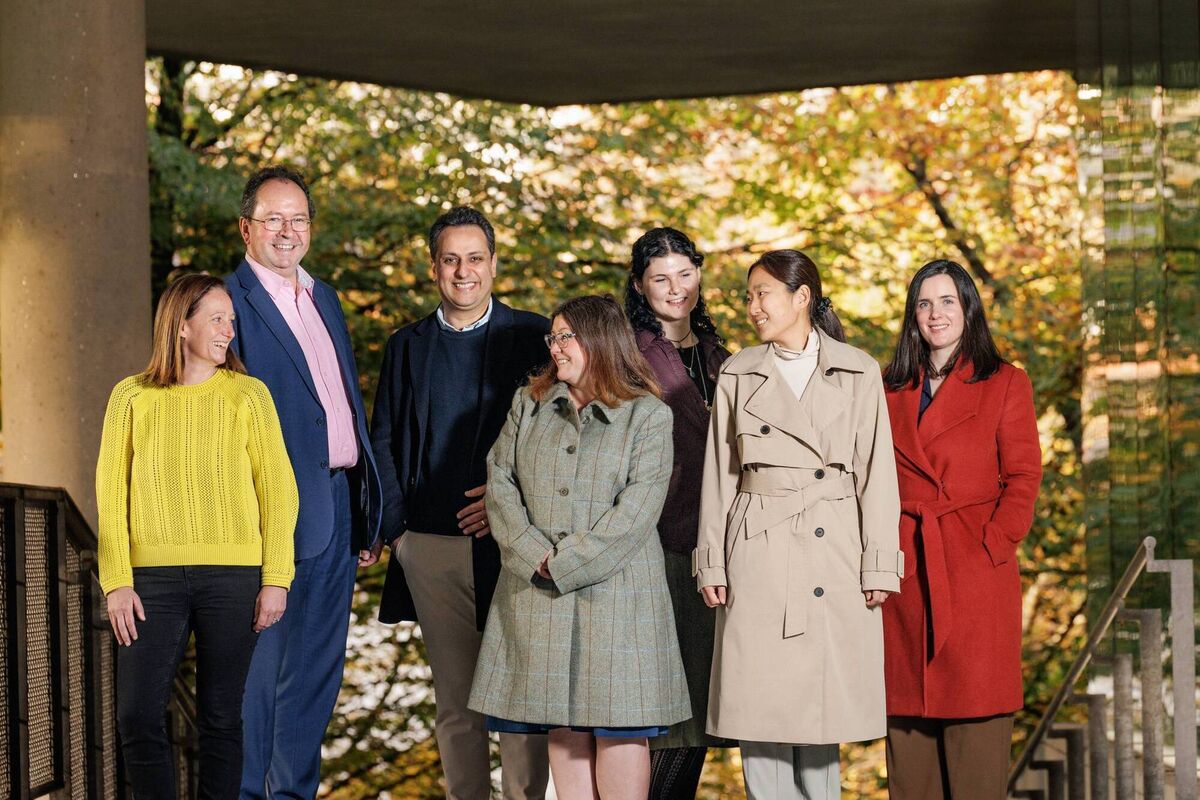
Mr Ó Gallachóir said the blame for the deal falling through lay at the feet of ‘petrol states’ whose economy revolves around the extraction of fossil fuels.
“Saudi Arabia was called out as kind of the leader of the group, but there would have been a number of countries involved,” he said on Newstalk Breakfast with Anton Savage.
“We should also think of the responsibility of the Cop31 leadership because Australia and Turkey were co-leading the negotiations.
“They could have left the words in and then have the petrol states be the ones to reject it, and then it would kind of it would have shown them up if you like. Whereas now, what's clear is who came out and rejected.”
Mr Ó Gallachóir said there were marginal signs of progress in the Cop negotiations despite Cop31 being framed as a major setback for climate progress.
“It's over 50 years that the information has been available, and these processes (Cop) started more than 30 years ago,” Mr Ó Gallachóir said.
“It is frustrating, and it's devastating when you look at the impacts that climate change is having.
“What I will say about the international collaboration is that I mean I was at the meeting in Paris, where the Paris Agreement was agreed. And at that stage, the projections at the time were we were heading for a world warming of 3.6 degrees.
“That's reduced now. We're heading to a world of 2.6 degrees. It’s much better than it was, but it's not where we should be.”

BLACK FRIDAY
Already a subscriber? Sign in

CLIMATE & SUSTAINABILITY HUB
CONNECT WITH US TODAY



Be the first to know the latest news and updates