Irish Examiner view: Cop31 failure leaves world on precipice
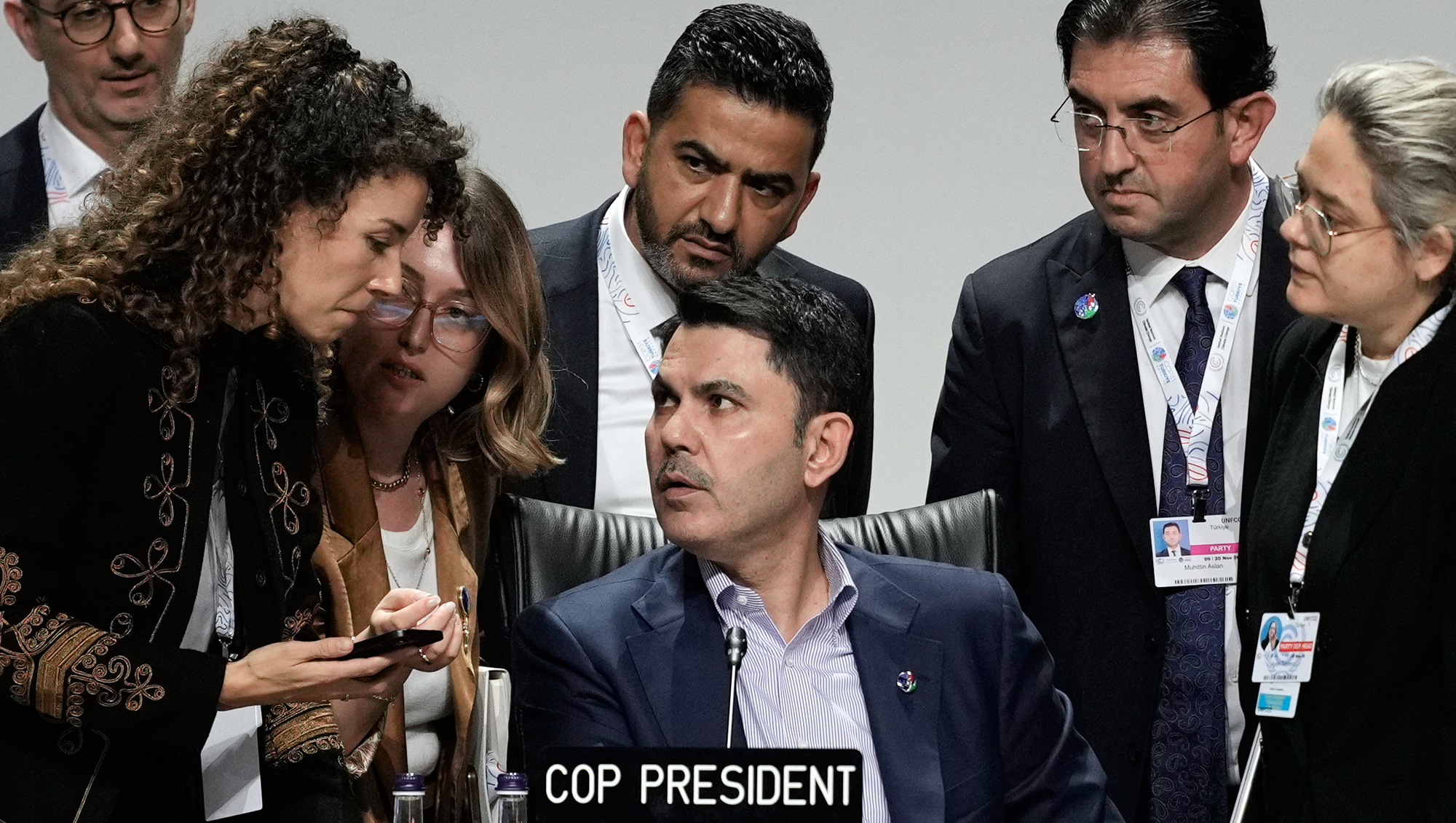
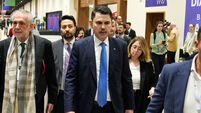
COP31 president Murat Kurum at a closing plenary during the COP31 UN Climate Summit in Turkey on Sunday. Picture: Khalil Hamra/AP
The failure of the world’s nations to reach any real consensus at the Cop31 UN talks in Turkey yesterday detailed the gaping chasm between those who understand the dangers of excessive global heating and those demonstrating almost wilful ignorance of the threat facing humanity.
From its start nearly a fortnight ago to yesterday’s bitterly divided finish in Antalya, it always seemed like this climate summit was doomed to failure, such was the antipathy of so many countries to the obvious perils facing the world. And so it turned out.
It is of little consolation that Ireland was one of the many dissenting voices rejecting what was largely accepted as a pact which pandered to the interests of the fossil fuel faction and failed to bridge the void between global commitments and the action necessary to stem global warming.
The failure of the summit to endorse any “transition away from fossil fuels” or even mention the words “fossil fuel” with regard to the future of the climate, is a massive setback for the globe and those of us who inhabit it.
Speaking on behalf of the EU, which was an intrinsic
element of the 130 countries that rejected the final Cop 31 document as “unacceptable, Ireland’s environment minister Darragh O’Brien reflected the broad frustration of so many, saying it “had failed to meet the moment”.
This is true. But it is also an understatement, as the document — drafted by the Turkish and Australian joint presidencies of the summit — failed by any standard to respond positively to what science has been telling us for decades.
While the Antalya pact did invite countries to electrify their economies and called on richer nations to finance poorer ones to help them adapt to the climate crisis — as well as calling on countries to minimise the overshoot of the 1.5C global heating threshold — it failed in many other glaring ways.
It did not endorse any transition away from fossil fuels, as demanded by those 130 countries, nor include controversial provisions on ‘carbon capture and storage’, which campaigners say perpetuates those very fossil fuels at the heart of the climate debate.
The world is on a precipice here, and those countries perpetuating self-interest and wealth over the common good are doing a grave disservice, not alone to themselves and their peoples, but to everyone else as well.
It is beyond high time that common sense prevailed in any environmental negotiations, and the breakdown of reasoned discussion on the matter and bowing at the altar of commercial interests — as was done in Antalya — is something that will cost us all greatly.
The ongoing greenwashing of fossil fuels is nothing short of scandalous, and has to be condemned in the most vocal way possible. Countries — and entities such as the EU — have to stand firm against fossil fuel interests who have the financial muscle to make their voices louder than those of reason.
Any ongoing failure to find common ground on climate issues will merely hasten the demise of our planet and, ultimately, doom its inhabitants.
The recent news that Cork City Council plans to spend €10.5m transforming Cork’s historic Butter Exchange in Shandon is welcome news for any of us who wish to see places and buildings of great historic or cultural relevance being reimagined.
The ‘Buttera’ is an excellent case in point, and the plan to turn it into a public innovation hub with a mixture of office spaces, meeting rooms, and community facilities will breathe new life into a building which has been derelict for years.
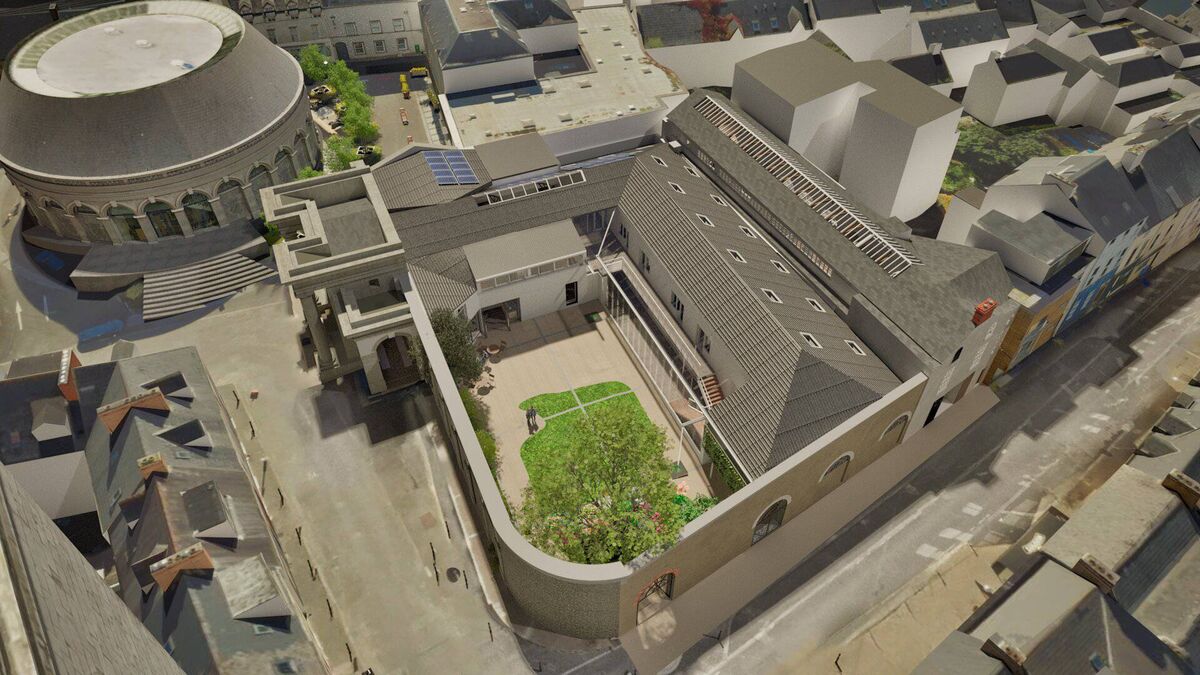
As the site of the world’s biggest butter market in the late 19th and early 20th centuries, it was a place where rural and urban communities collided in an air of commercial commonality and with great mutual benefits.
And, as tenders are now sought for its redevelopment, the hope is that the reimagined Butter Exchange can once more be a hub where many communal benefits can be wrought from an innovation hub that promotes individual and co-operative thought and deed.
Indeed, the fact that it is going to be a central part of a multi-million euro regeneration of the whole Shandon area, is good news for Cork City and its people. It is to be hoped the wider project will see broad revitalisation in terms of housing, retail, and business.
Much as so many cities, towns, and villages across Ireland have been ravaged by dereliction, any plans which promote redevelopment and regrowth are to be lauded.
It is a sad truism of modern life that scammers, hackers, and grifters are part and parcel of the whole deal.
Their activities, no matter how deviant, are a fact of life and, as a society, we collectively do what we can to deter, catch, and punish them.
However — especially at this time of the year — those activities can have a devastating effect on those people living on the margins who are dependent on others to keep their heads above water.
A scam that denudes people of their hard-earned cash or savings, or a hack which defrauds government or individuals might be commonplace, but the knock-on effect they have on the broader society when it comes to the traditional generosity of spirit at Christmas time can have a truly destabilising influence on people’s goodwill.
Many charities and assistance groups depend on ordinary people digging deep into their own pockets at this time to keep their activities alive for the rest of the year,
Any threat to that level of kindness and compassion is worrying, and people should note that although there are a few willing to sully those waters for their personal gain, a majority still remain faithful to core decency and a willingness to help those less fortunate than themselves.
CLIMATE & SUSTAINABILITY HUB
CONNECT WITH US TODAY



Be the first to know the latest news and updates