COP31: Climate change process needs reset amid 'fossil fuel greenwashing' – Darragh O'Brien
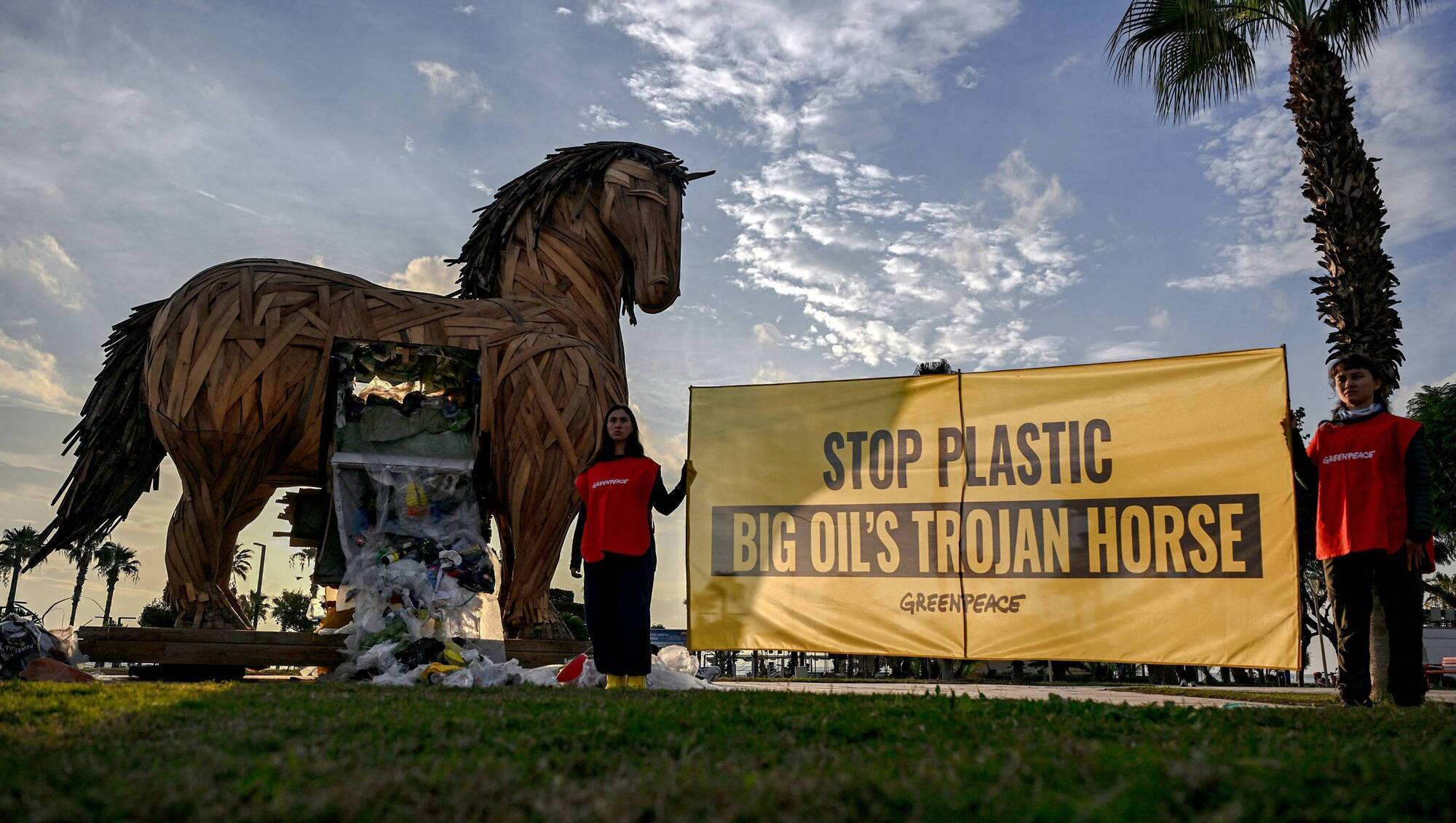
Greenpeace activists unveiled a six-metre-tall wooden Trojan Horse created by Danish artist Thomas Dambo during a protest against fossil fuel and plastic production during COP31, the United Nations Climate Change Conference. Picture: Ozan Kose/AFP/Getty
Climate minister Darragh O’Brien has urged a reset of the COP process, after talks on a new climate deal broke down amid accusations that the final text "greenwashed" fossil fuels.
It was left to Mr O'Brien to announce on behalf of the EU that it was rejecting the final text put forward at the COP31 UN talks on climate.
The EU, Britain, and allies in the developing world opposed what they called an unacceptable deal on the future of the climate, which failed even to mention fossil fuels, in a dramatic finish to Cop31.
The proposed deal “failed to meet the moment”, said Darragh O’Brien, speaking for the EU.
“We will not endorse a decision that does not respond to the science and that actually risks deepening the chasm between global commitments and the action required. [It] does not even mention fossil fuels.” He said the EU would not accept a decision “that greenwashes fossil fuels”.
CLIMATE & SUSTAINABILITY HUB
As the talks, scheduled to end on Friday, dragged on into Sunday afternoon it was clear that the “Antalya Pact”, drafted by the Turkish and Australian joint presidencies of the summit, would not achieve the consensus needed to pass.
The Antalya Pact invites countries to electrify their economies, calls for rich countries to provide finance to the poor to help them adapt to the impacts of the climate crisis, and calls on countries to minimise the “overshoot” of the 1.5C global heating threshold, of the Paris agreement.
Read More
But it failed to endorse the “transition away from fossil fuels” that more than 130 countries demanded, and included controversial provisions on “carbon capture and storage” (CCS) technology that campaigners have said perpetuates fossil fuels.
Environmental experts said the failure to reach consensus is disappointing, but that agreeing to a deal that fails to address the causes and costs of climate change would hardly represent meaningful progress.
"What is happening in Antalya is interesting on several fronts, not least it is demonstrating that words, and the use of language still matter," said Breffní Lennon, Sustainability Institute, University College Cork.
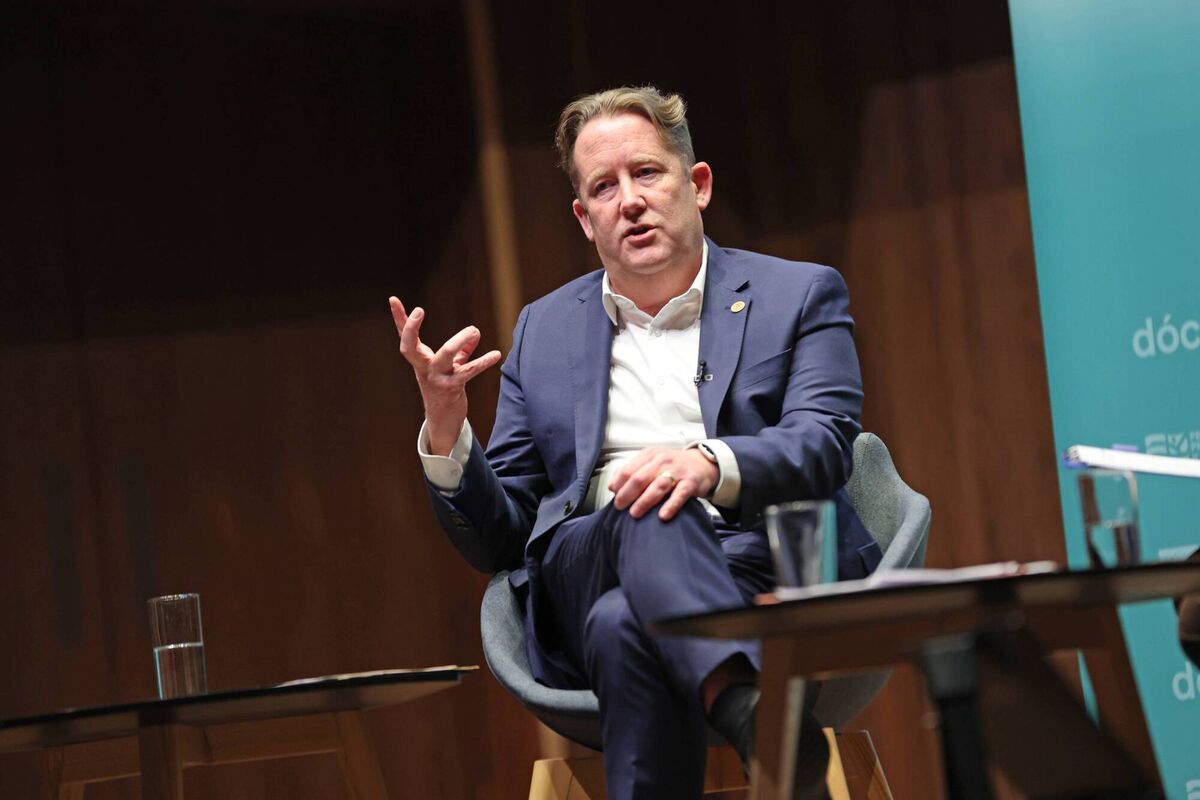
"The EU has done the morally correct thing, rejecting the draft text. They may have also saved consensus politics by walking away from a bad deal. If they had allowed the petrostates to highjack another COP negotiations and accepted a fudge that does not mention transitioning from fossil fuels, Global South countries and the island nations would have keenly felt the betrayal.
"Walking away may also finally impress upon the petrostates that they cannot keep forestalling the systemic changes that are needed as we career into climate overshoot. It cannot be business as usual anymore, the petrostates and the fossil fuel lobbies they fund have to finally get real."
The failure to reach a deal will put pressure on countries to step up to the mark with their individual climate targets.
Last week, Darragh O'Brien had to defend the late publication of Ireland's climate action plan for this year and rejected claims that the Coalition has abandoned climate ambitions since the Green Party left government.
Peter Thorne, who is professor in physical geography (climate change) at Maynooth University, said: "the government need to pull every lever to enable us, but ultimately they don’t decide whether you purchase an electric car. They don’t decide where you choose to live or whether you have public transport nearby. A lot of this is down to us as individuals but the government need to enable it. They need to do a lot more."
He also described COP as a consensus process but said "there is no consensus".
"It’s ultimately not a science conference or a science process. It’s a conference of politicians trying to figure out how to solve this problem that they feel they understand and grasp, as many of their advisors and civil servants undoubtedly do," he said. "However, overlaid on this is the fact that it’s a wicked problem because everything we do has become wedded to these fossil fuels.
He said fossil fuels have reached a point where they are so integral to everything we do.
"They are killing the planet and expecting our undying love for that fact. The alternatives are out there but people are too scared. There is so much misinformation," he added.

BLACK FRIDAY
Already a subscriber? Sign in

CLIMATE & SUSTAINABILITY HUB
CONNECT WITH US TODAY



Be the first to know the latest news and updates