Swapping dairy for plant-based milks and yoghurts could risk health – study
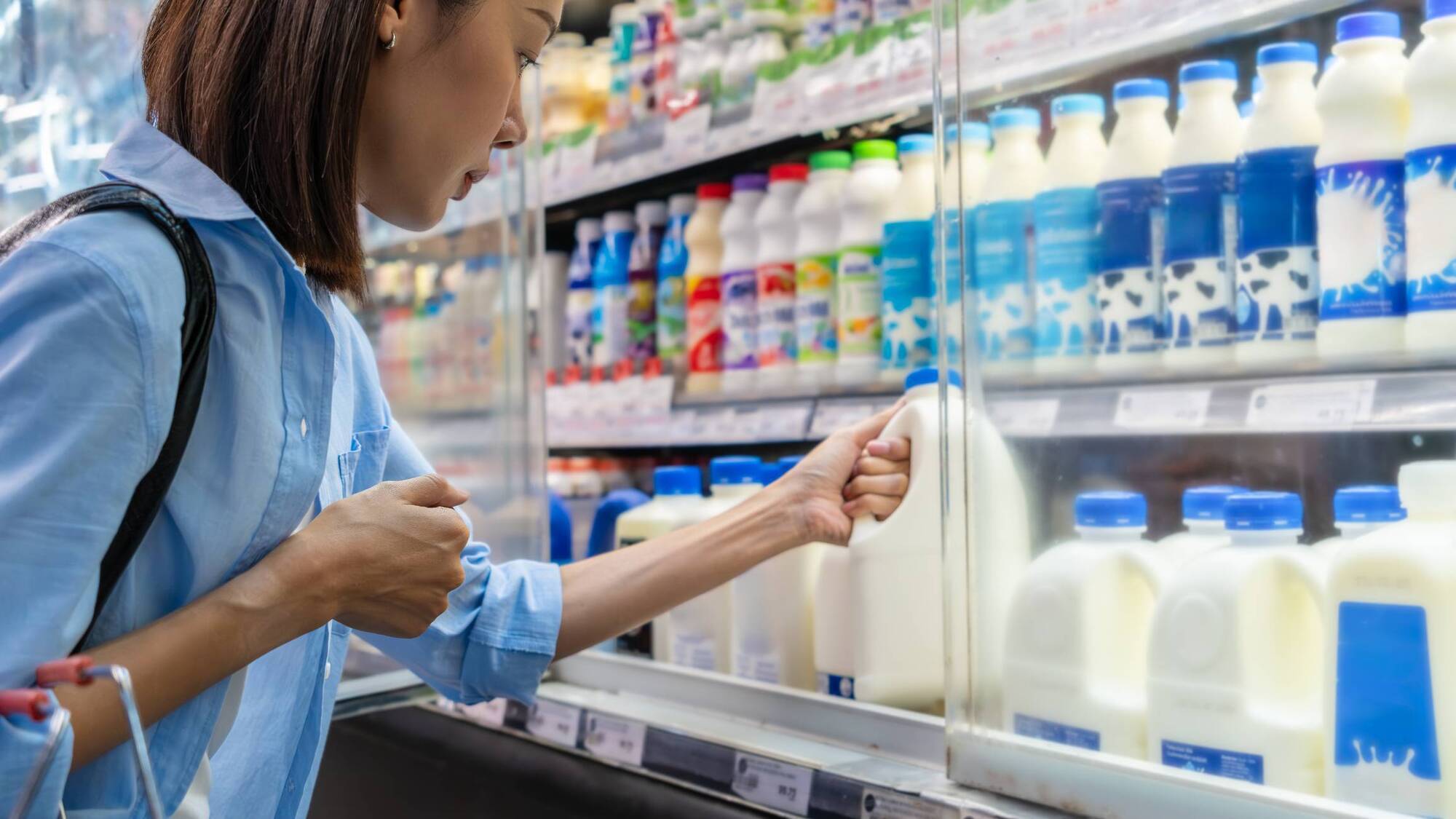
Researchers looked at the risks of dropping dairy in favour of plant-based items, including 146 plant-based milks, 76 yoghurts, and 67 cheese products. File picture
Replacing dairy products with plant-based ones, such as oat and almond milks, could lead to people missing out on vitamins and minerals, a study suggests.
Even doing a partial swap may lead to deficiency in nutrients such as iodine, which is essential for thyroid function and healthy brains, experts writing in the journal said.
The research, which included contributions from UCC's Cork Centre for Vitamin D and Nutrition Research, also found that children, teenagers, and women appeared to be worst affected by any swap to plant-based milks, yoghurt, and cheese.
Read More
Researchers looked at the risks of dropping dairy in favour of plant-based items, including 146 plant-based milks, 76 yoghurts, and 67 cheese products.
They examined the effect on micronutrient intake for iodine, calcium and vitamins B2 and B12.
The researchers also found variations in the extent to which plant-based foods are fortified with added vitamins.
Some 12% of plant-based items in the research contained added iodine, 61% had added calcium, 46% had vitamin B12, and 19% had riboflavin (vitamin B2).
The team, from the University of Surrey and Queen’s University Belfast, found that even modest replacements of dairy intake with plant-based dairy alternatives (including fortified ones) led to declines in all four micronutrients, but particularly iodine.
For example, replacing 20%-35% of dairy products with plant-based ones increased the inadequate intake of iodine among girls aged 14-18 from 54% to 65%, and from 32% to 42% in women aged 19-49.
If all dairy was replaced, iodine inadequacy rose to 80% in teenage girls and 72% in boys of the same age.
Elsewhere, if all dairy was swapped for plant-based products, inadequate calcium intake rose from 30% in the usual diet to 47% among boys aged 14 to 18.
Among girls the same age, it rose from 54% to 70%.
For riboflavin (vitamin B2), if all products were swapped, inadequate intakes in men aged 19-49 rose from 14% to 26%, while the figure was from 29% to 50% for women.
There was also a meaningful increase to 39% in this group if only half of usual dairy was swapped for plant-based items.
Calcium is important for building healthy bones and teeth as well as regulating muscle contractions, including heartbeat.
Vitamin B12 helps keep the nervous system and blood cells healthy, while B2 is important for skin, eyes and the nervous system.
Dr Katie Nicol, co-author of the study and research fellow at the University of Surrey, said: “Nutrition policy must evolve in tandem with environmental targets however it is important that shifts towards more sustainable diets do not compromise on public health.
“Fortification of foods is one way that this could be achieved. However, government policy is needed to make this happen.”
Professor Mairead Kiely, from the Cork Centre for Vitamin D and Nutrition Research, said: “Vitamins and minerals that are supplied by animal source foods will need to be replaced in a transition to diets that substantially reduce intakes of these foods and replace them with plant-based alternatives.
“Plant-based dairy alternatives, unless fortified appropriately, do not contain equivalent amounts of calcium, iodine, riboflavin and vitamin B12 as milk, yoghurt, and cheese.
“Nutrients such as iodine and calcium are already in short supply in the usual diet of people who avoid dairy, and are therefore of public health concern.
“Certain population groups, especially adolescents and women of reproductive age, already have low intakes of calcium, iodine and riboflavin.
“While moderate population-based reductions in dairy are unlikely to cause problems for most people, among those who already consume little, reductions will further reduce the already inadequate intakes of these nutrients.”
Dr Janette Walton, lead investigator for national dietary surveys in Ireland, said: “With dietary guidelines now recommending a large shift from animal-based diets to more plant-based diets in response to meeting global sustainability goals, unintended consequences for the health of teenage girls and young women must be considered.”

CONNECT WITH US TODAY



Be the first to know the latest news and updates