Paula Hynes: Ireland could be the premium farm shop of the world
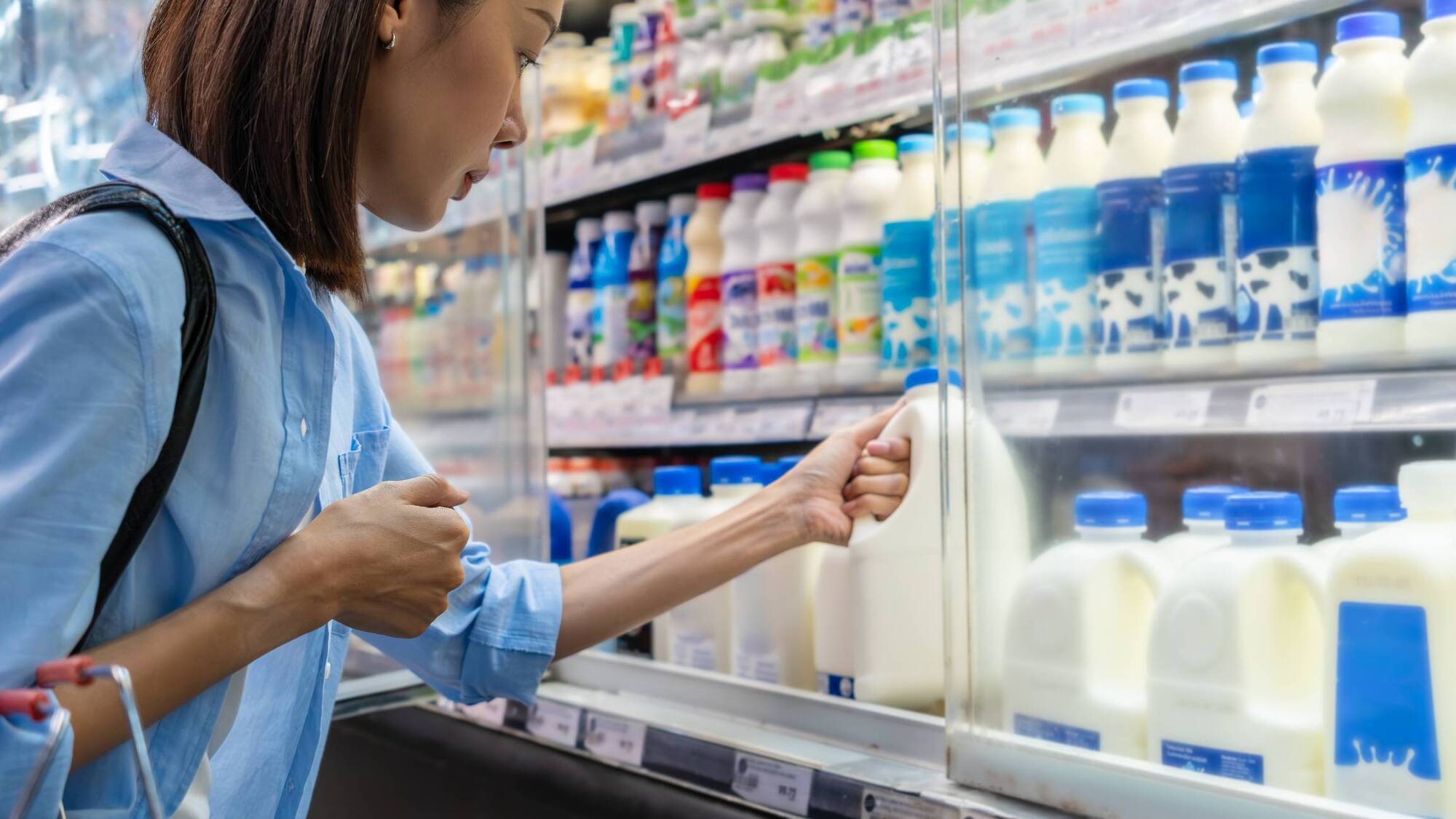
'Milk prices have been under tremendous pressure globally, and the price of beef in the US has also had an impact on dairy markets.' File picture

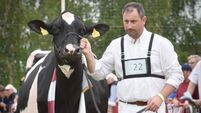
The work routine has been returning to normal after I returned home from Italy with Georgie and, with the RUAS Winter Fair entries now open, a decision needs to be made on what will travel to the show.
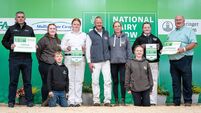
It is the 40th anniversary of the show in Belfast and the organisers have already been busy celebrating this major milestone with title sponsor Danske Bank, a partnership that seems to be working extremely well as Danske Bank have been on board with the show for 40 years now.
The RUAS Winter Fair began back in the King’s Hall in Belfast and has since moved to the Eikon Centre in Lisburn, where the facilities are first-class, with vast space to work with show animals while they are based there.
Alta Mae Corr from Kentucky judged the show in 2000 and was the first female judge to officiate there. She is back adjudicating for the 40th anniversary of this show, which is steeped in history and has also had Royal visitors.
Read More
It is far more than a dairy show. It is a celebration of Northern Ireland’s dairy farming and agricultural sectors at the most festive time of the year, taking place on Thursday, December 10, with entries closing on November 13.
Ireland Pete also had a busy week as he was giving a two-hour lecture in UCC to agriculture students. As he was working on his presentation, it also sparked me into thinking: do we over-focus on what is happening within Irish agriculture and not keep a close enough eye on what is happening in global agricultural circles?
The reality is that much of what happens around the world does have a huge impact on farms in Ireland.
Milk prices have been under tremendous pressure globally, and the price of beef in the US has also had an impact on dairy markets.
Why, you may ask? Well, the US dairy herd has grown to a 30-year high of 9.71 million cows despite low milk prices, as a six-week-old Black Angus calf born from a Holstein cow is commanding record prices, easily selling for $1,300 and as high as $1,750.
US dairy farmers can simply make their profit from the sale of calves and let’s keep in mind many US dairy farmers grew rapidly in the last year or two as they also had the added bonus of four new cheese production plants coming on stream.
More than 300,000 extra dairy cows have been added to the US herd in less than two years. When you see figures like that, it certainly makes a mockery of anyone who thought a proposed reduction of almost two hundred thousand Irish dairy cows would make a big impact on the global climate.
US dairy exports are on target to hit $10.5 billion, with international markets absorbing 17% of US production.
NZ and EU dairy farmers are continually being strangled by sustainability targets, while US dairy farmers have managed to drive forward with production while also increasing fat and protein percentages, meaning more cheese and butter can be yielded, roughly a 10% higher yield of cheese per gallon of milk.
Algerian dairy isn’t really something we might think is going to have a big impact on Irish dairy. We supply milk powder to Algeria valued at €120 million every year to the Irish dairy sector. They are the world’s third-largest importer of milk powder and dairy imports are valued at up to $1.6 billion a year.
Changes are on the horizon for Algerian dairy as a planned $3.5 billion project is underway, creating a facility which will produce 50% of Algeria’s milk powder.
A Qatari-based dairy company will hold a 51% stake in the company, with the remainder held by an Algerian investment fund.
There are 117,000 hectares involved in the operation, which will also grow cereal crops to supply feed to the dairy, which will eventually be home to 270,000 dairy cows.
The first 30,000 heifers are due to be flown from the US to Algeria over the next twelve months.
This is temporarily on hold as the Algerians have had to place a temporary suspension on livestock imports due to the outbreak of a new foot-and-mouth serotype in the country. However, this ban may only last a few months.
The project, which also includes a state-of-the-art dairy processing facility, is due to begin producing milk powder around 2027/28 and, even if there is a slight delay, it will have a major impact on global milk powder markets as producers race to secure new markets for powder.
India too has driven milk production and accounts for more than a fifth of global production. They have seen average annual growth over the last decade of more than 5%, which is far beyond increases of any other producer.
China, which was traditionally seen as the golden egg if you wanted to export dairy products, has driven forward to become the world’s fourth-largest dairy producer, yet weakening consumer demand has now seen Chinese dairy increase dairy exports, forecast to hit $600 million in 2026, which is a doubling of its export values within three years.
Chinese milk production has hit government targets two years ahead of schedule and, backed by government subsidies, the world’s fourth-largest dairy producer is in a position to dump product onto global markets at low prices.
Closer to home, one UK dairy processor has just announced a 7p reduction in milk price for December supply. While this milk price reduction is being driven by low cream prices and low liquid milk prices, the feeling is that more UK dairy processors may well impose reductions for January supplies, albeit not as extreme a reduction.
Global production of dairy is dramatically shifting right before our very eyes and doing so at a pace which has never been seen before.
Ireland may be a small cog in the global dairy wheel, but we are still seen as a key player due to our grass-fed butter production, along with specialised cheese and premium infant formula.
We as a dairy-producing nation need to remember and capitalise on that to ensure all our dairy produce becomes premium produce commanding higher prices when markets are weak.
We could be the premium farm shop of the world rather than toying with cheap dairy commodities.