New parents find it hard to nap despite sleep loss, DCU study finds
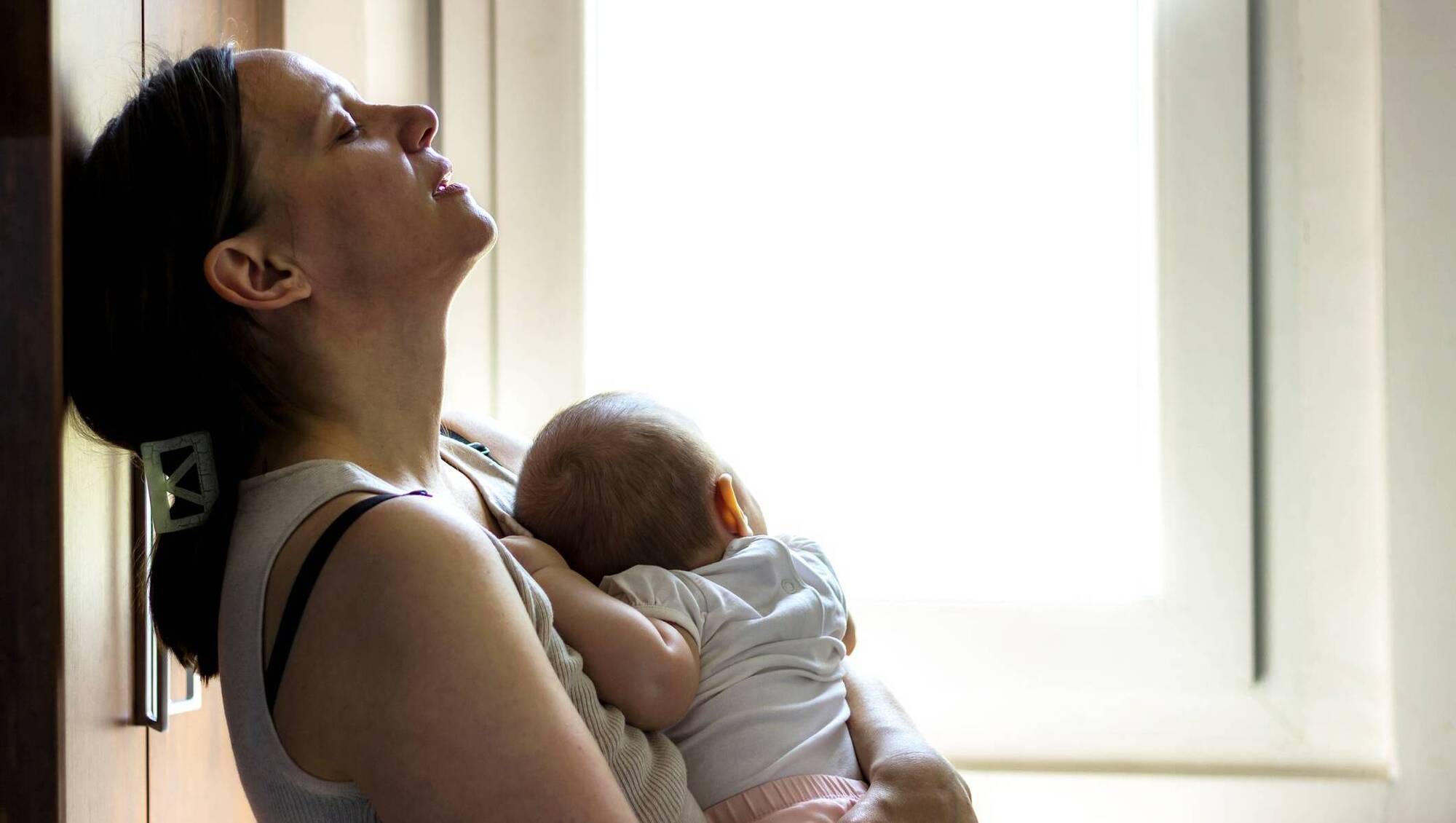
First-time parents’ experiences of sleep were distinctively gendered, the study also found. File picture
The loss of sleep associated with caring for a new baby is not only physiological, but psychological for many first-time parents, new Irish research suggests.
Some new parents report struggling to sleep due to their anxiety surrounding the wellbeing of their infant, even when the baby is asleep and despite parental tiredness.
The finding is one discussed following a focus group with new parents and researchers at Dublin City University (DCU). Parents taking part expressed feelings of tiredness and a strong desire for sleep.
"Yet, when their baby was asleep at night, they struggled to switch off due to worry and intrusive thoughts about the baby’s safety," the research found.
Fears included the baby being too hot or cold, falling asleep while holding the baby, or, as one mother shared, “every two seconds” she would panic and think "(the baby) is not breathing”.
"These worries prevented parents from sleeping, despite their tiredness," the study noted.
Read More
One mother used the term "tired but wired". "Even though (my daughter) might sleep through the night, I could still be up three times checking on her and worrying about her," she said.
First-time parents’ experiences of sleep were distinctively gendered, the study also found. One factor was paternity leave, with the paid two-week period found to shape the sleep experiences of both parents.
"Extended paternity leave beyond Ireland’s statutory two-week provision was associated with relief and gratitude amongst first-time fathers, and sympathy for those confined to the minimum entitlement," it found.
Mothers who took part also reported the benefit of extended paternity leave, having felt a greater sense of support from their partners.
"The father's presence and ability to care for the child was essential to the mother’s own wellbeing when paternity leave was greater than the statutory minimum."
The domestic and emotional labour mothers are expected to perform also further contributes to tiredness.
This labour is often normalised and expected due to gendered social norms such as "when you’re a mom with a newborn, most of the things are on the mom", one of the mothers taking part said.
Many of the female participants in the study also expressed their frustration with the advice ‘sleep when the baby sleeps,’ commonly offered by family and friends.
"They felt unable to nap during the day to mitigate tiredness and instead had to attend to domestic chores."
One mother told researchers: "Some people have said, ’forget about the laundry, forget about the cooking, forget about the cleaning, let everything sit and go to sleep when the baby is asleep’.
The study was carried out by researchers at DCU and led by Shannon Hughes Spence. The work was supported by the HRCI/HRB Joint Funding Scheme.
The Restful Nights, Happy Days project is currently recruiting expectant first-time parents to take part in a pilot study and online workshops supporting parental sleep and wellbeing in the postpartum period.
For more information, or to take part visit Instagram or email aileen.leech@dcu.ie.

CONNECT WITH US TODAY



Be the first to know the latest news and updates