Mental health centre standards to give 'transparency' to public, says commission chief
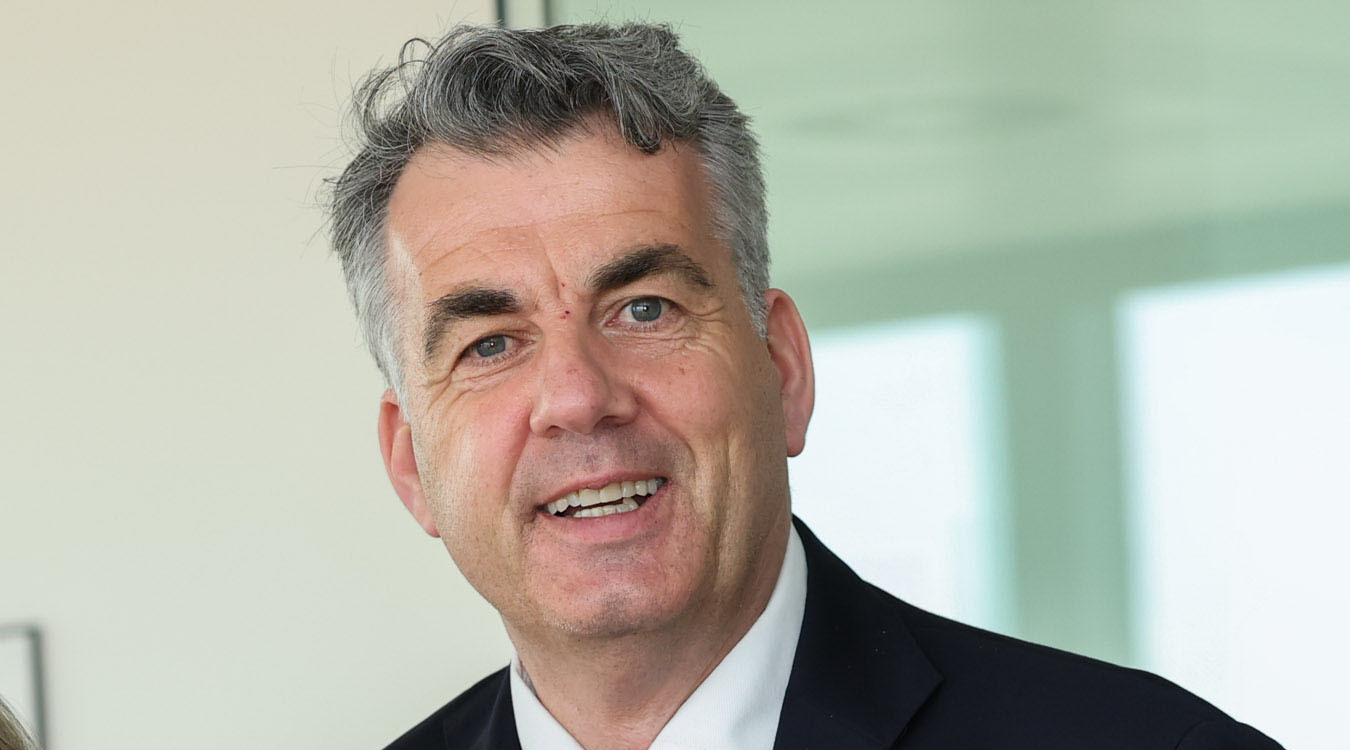
Chief Executive of the Mental Health Commission, John Farrelly said there is 'huge' political impetus behind shifting mental health care from institutions to the community and said the standards provide a 'signal of hope' about the future of mental healthcare. Picture: Maxwells
New national standards for community mental health centres can give an independent overview of where resources are needed, the head of the Mental Health Commission has said.
The standards for community mental health services were launched on Monday as part of the implementation of the new Mental Health Act.
It expands the remit of the Mental Health Commission (MHC) and places community mental health services under regulatory oversight for the first time.
These are residential centres, other than acute centres, which are staffed 24 hours and provide specialist mental health care for people with a mental disorder or other mental health difficulty.
The chief executive of the Mental Health Commission, John Farrelly, said the regulations would require such community services to register, which will help give an "absolutely transparent picture" of them to the public.
The standards also provide for inspections, monitoring and enforcement.
"Our organisation is hungry to get boots on the ground," Mr Farrelly said, "but I think that has to be done in a measured way: give the standards out, let them orientate around it, then we'll put in the regulations and the registration, and that way we'll be able to tell and the State will be able to tell, independently, where the resources need to go."
He said there is "huge" political impetus behind shifting mental health care from institutions to the community and said the standards provide a "signal of hope" about the future of mental healthcare.
The MHC is also expected to publish the first national standards for Child and Adolescent Mental Health Services (Camhs) early next year. Mr Farrelly said all Camhs facilities had been inspected, and no issues similar to those at South Kerry Camhs were found.
"We're not finding anything wrong, per se, but we definitely see that the same service with the same resources run by the same provider, and some are more effective than others," he said.
Mr Farrelly was speaking at a conference in Dublin, where speakers noted the progress in reducing restrictive practices and detention periods in mental healthcare.
They also noted that the importance of early interventions, particularly for children, and that treatment does not mean taking medication alone.
Deputy chief medical officer, Prof Philip Dodd said Ireland had only decriminalised suicide in 1996, and that suicide reduction strategies had seen a 40% reduction in rate of suicides since 2001, meaning around 4,000 people didn't die by suicide in that time.
Dr Mike Watts, a mental health advocate and researcher, said an association of mental health experts should be set up.
"The government should look at creating a form of Aosdána for people who have contributed, because the number of people with lived experience over the last 50 years is huge and quite a lot of them now have their own PhDs.
"I think something like Aosdána would be a resource that could really explore how do we connect, how do all the different players connect, and I think also set up a president's fund."
Professor Jim Lucey, an MHC inspector, said there had been a "transformation of public sentiment" in relation to mental health in Ireland which allowed the current reforms to take place.
"You could say theIrish mind was incarcerated as well through lots of challenges. We were all in the asylum thinking and that mental health was locked away. That's not the case now."

CONNECT WITH US TODAY



Be the first to know the latest news and updates