Inflation will 'wash away' budget measures, economics professor warns
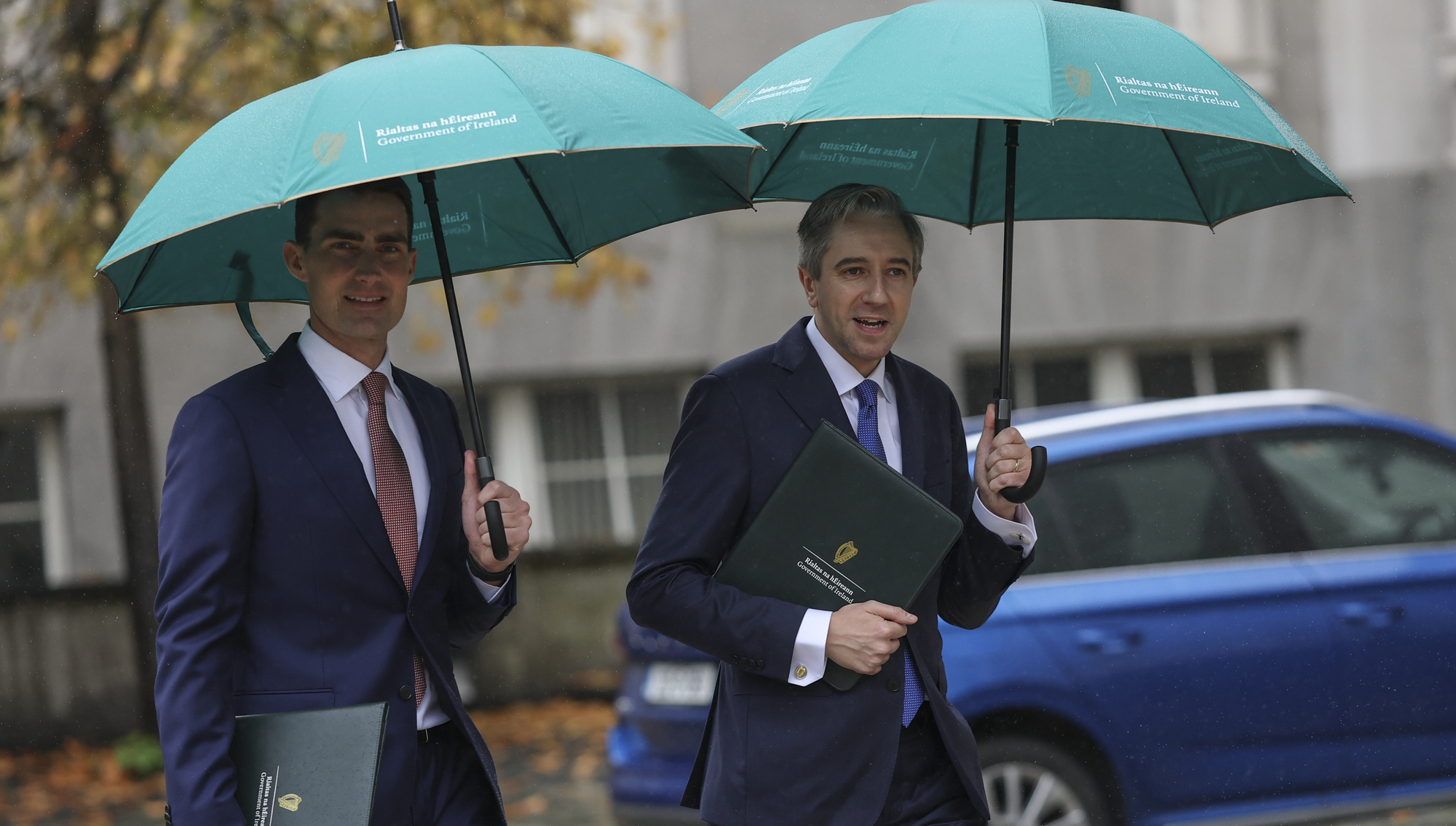
Public expenditure minister Jack Chambers and finance minister Simon Harris announce the details of Budget 2027.
Rapidly rising inflation will "wash away" measures announced in this week's budget, with the surging cost of housing, energy, and transport heaping further pressure on households, it has been stated.
Latest figures from the Central Statistics Office (CSO) show consumer inflation rising by 4.1%, with the biggest increases in housing, water and energy (up 9.5%), education services (+8.9%), and transport (+7.5%).
Budget 2027 saw moves to index income tax bands and rises in the USC threshold in an effort to aid “people who get up early in the morning”, but experts have warned that inflation is being accelerated by the Government's own fiscal policy.
Darragh O’Leary, an economics lecturer at UCC, said the Government must start saving risky, high-yield corporation taxes rather than using them for permanent spending measures.
"That's going to lead to greater and greater inflation...this seemed like a budget where the Government was explicitly advised — yet again — not to overspend, but I think they have done it as a political gesture.”
The yearly rate of inflation for September 2026 was the highest recorded in more than 30 months, since January 2024.
The price of a litre of diesel rose by 37c in the space of a year. The price of home heating oil has spiralled 58.6% above September 2025 levels.
Many major suppliers of household gas and electricity announced price hikes in recent months that are due to kick in during October, further exacerbating the problem.
According to the Commission for Regulation of Utilities, there are more households in energy arrears than ever before, with 328,000 households in electricity debt, and 188,000 in gas debt, as of August 2026.
Read More
Stephen Moffatt, national policy manager at Barnardos, said inflation was likely to hit society's most vulnerable the hardest.
Budget 2027 raised core social welfare rates by €10, but Mr Moffatt argued that rates needed to be indexed to inflation to avoid the increases being rendered redundant.
“Inflation is higher than what the increases to social welfare rates are going to be,” Mr Moffatt said. "It's definitely going to get eaten up straight away.
“The biggest concern for families on lower incomes is that certain elements of inflation have a disproportionate impact on them.
"We see that time and time again, where, say for example, energy and food — for people on lower incomes, it's a higher proportion of their non-disposable income.”
Price comparison website Bonkers.ie has warned that rising costs in private health insurance, energy bills, tracker mortgages, and day-to-day luxuries such as TV streaming services could increase household bills by more than €1,000 over the coming year.
Sinn Féin finance spokesperson Pearse Doherty said Budget 2027 measures would be “gone before you get it" in light of recent inflation figures.
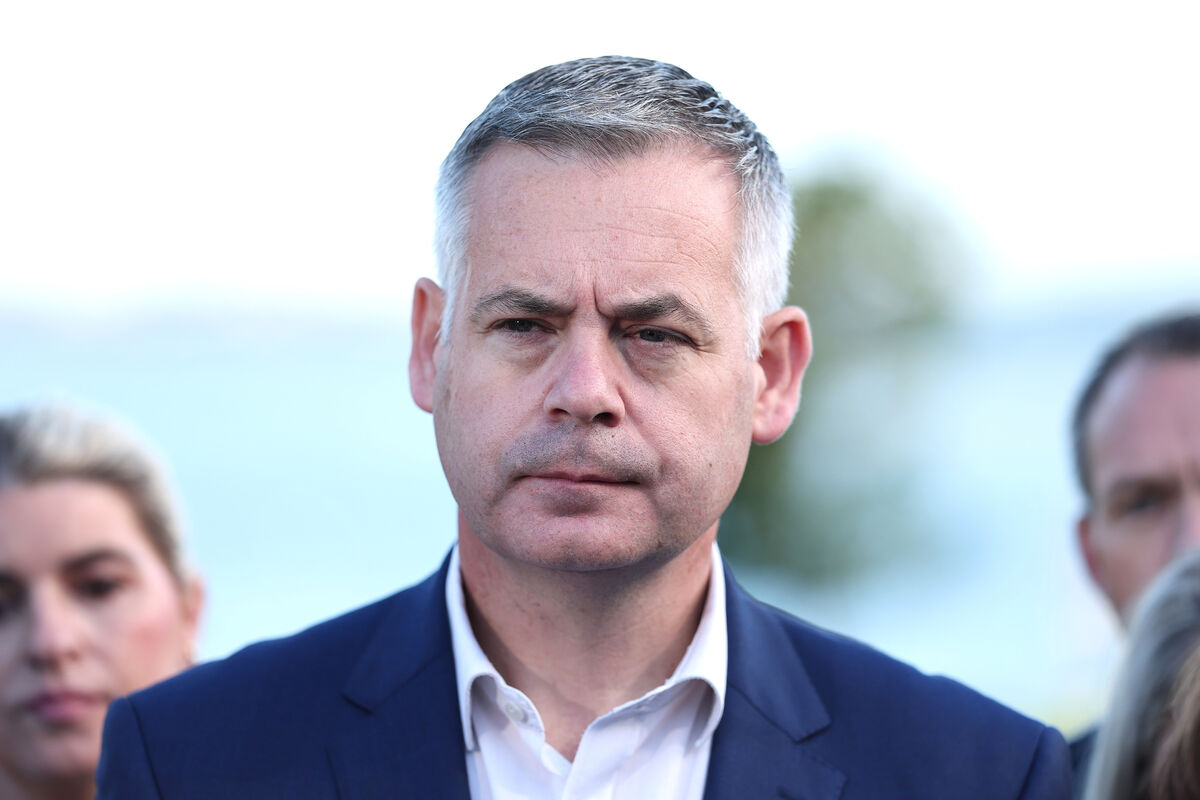
“Your €150 renters' tax credit is gone. Let's look at what private rents have gone up in the last month alone — nearly 1%. That means it's wiped out before you even get it,” he said to the Irish Examiner.
“Mortgage interest relief, they didn't even extend it, and mortgages have gone up another 1% in the last month.
"Your electricity and gas prices have gone up €140, and they've nothing there for it.”
According to Budget 2027’s economic and fiscal outlook, headline inflation is projected to stabilise at around 2% for the coming year.
Labour financial spokesperson Ged Nash told the that “tokenistic changes” in the budget would be washed away by inflation.
“On energy and incomes, Budget 2027 has failed to come close to the real measures needed to even pretend to protect people from rising prices,” Mr Nash said.


CONNECT WITH US TODAY



Be the first to know the latest news and updates