Prison overcrowding: Too many people accused of serious crime previously granted bail — justice minister
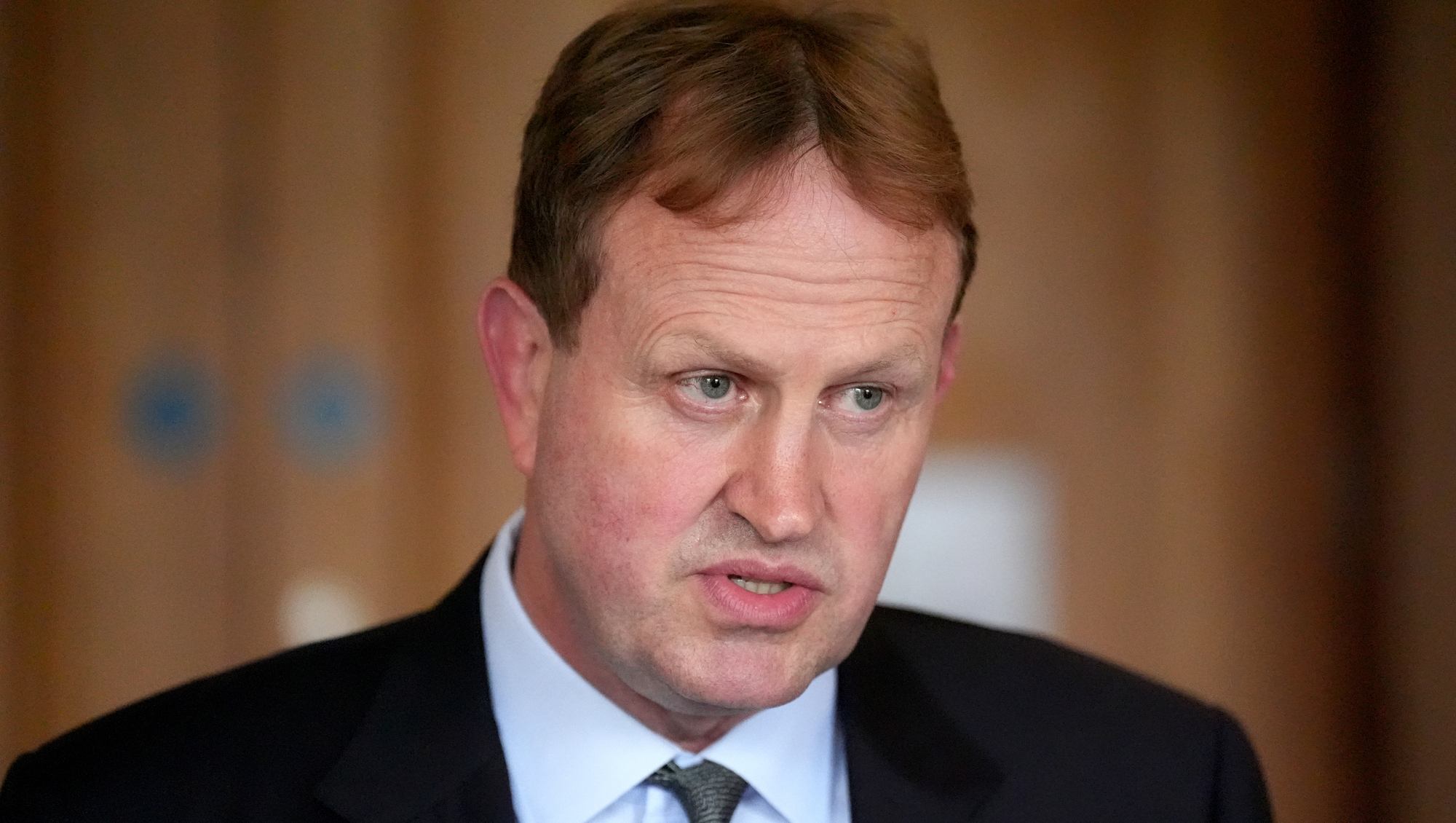
Justice minister Jim O'Callaghan: In discussions around how to tackle overcrowding, the minister said a key factor was keeping violent and repeat offenders in custody while waiting for trial.
Justice minister Jim O’Callaghan said “too many people” charged with serious crimes had previously been granted bail as the number of prisoners being held on remand in Irish jails soared.
In discussions around how to tackle overcrowding, the minister said a key factor was keeping violent and repeat offenders in custody while waiting for trial.
Mr O’Callaghan wrote: “The reason for this growth is because more crime is now being detected, and violent or recidivist offenders are not being granted bail.
“Previously, too many people accused of serious criminal offences were granted bail.”
The comments came after Mr O’Callaghan was provided with a submission detailing how remand prisoners were contributing to the overcrowding crisis.
It said remand prisoners had risen from 15% of the prison population in September 2014 to 21% by September 2025.
The submission said the Prison Overcrowding Response Group was trying to identify reasons behind the rise and how it might be addressed.
However, Mr O’Callaghan attributed the rise to more crime being detected, and serious offenders were being detained until trial.
He wrote: “This number may reduce if we can implement an effective electronic monitoring scheme.”
The briefing also said the Irish Prison Service was working with the State Claims Agency, which manages compensation claims for the State, to identify any risks from chronic overcrowding.
It added: “A risk assessment report was recently shared with the minister by Criminal Governance in relation to this work.”
The submission also briefed Mr O’Callaghan on a series of measures proposed by the official response group to tackle overcrowding.
In his comments, the minister said a number of these were still listed as “nearing completion” or “in progress.”
He wrote: “I would like to ensure that actions within my control are expedited and completed.”
Mr O’Callaghan said a pilot project for structured temporary release for female inmates at Limerick Prison had worked well.
He suggested the plan should be extended to the Dóchas Centre for women prisoners in Dublin “considering the success of this scheme".
Mr O’Callaghan also proposed the extension of the drugs treatment court to include “individuals sentenced [for] low-level drugs-related crimes".
Asked about the discussions, a Department of Justice spokesperson said the minister was “acutely aware” of capacity constraints in the prison system.
They said: “Prison numbers continue to grow due to a variety of factors, including increased crime detection rates and courts throughput, longer sentences linked to an increase in the severity of crimes, including increases in prosecutions for sexual offences, and an increase in the remand population.”
The spokesperson said 292 new spaces had been built since 2024, with at least 102 more spaces to be constructed in 2027.
Community sanctions that look to reduce offending and divert people away from imprisonment were also being progressed, along with a €2.1m scheme for electronic monitoring.
CONNECT WITH US TODAY



Be the first to know the latest news and updates