Rural Ireland Thinks: Access to health services tops concerns for people living in countryside
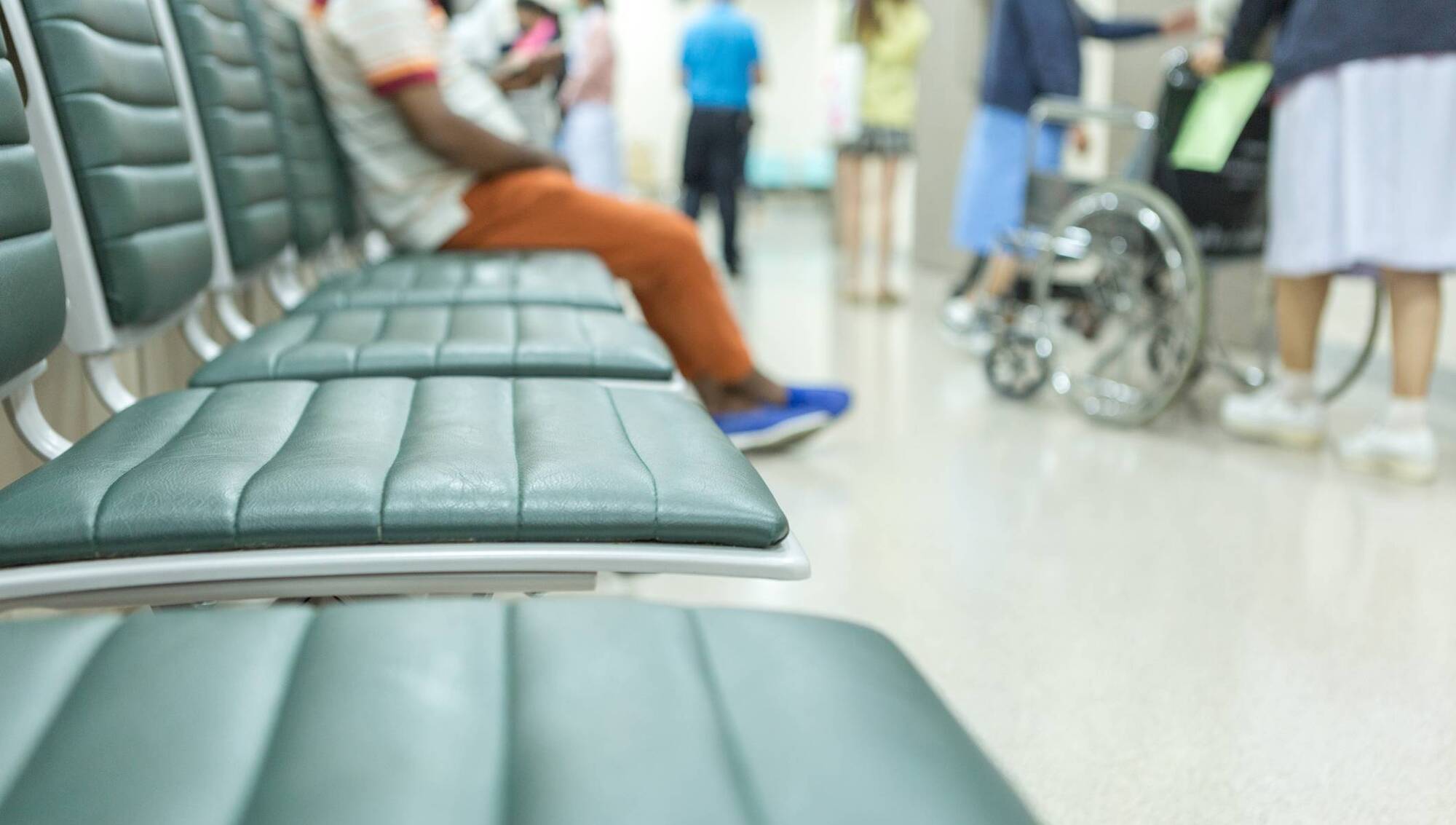
Almost a third of people in rural Ireland do not have 'full faith' in hospital emergency departments and fewer people feel they can access these services than in 2024. File picture
Worries about access to services, whether in hospitals or general practice, dominate health responses to the ’s Rural Ireland survey this year.
Almost a third of people in rural Ireland do not have “full faith” in hospital emergency departments (ED) and fewer people feel they can access these services than in 2024.
Over half of those who responded said they waited two days or more to get a GP appointment in the last year. That proportion has not changed in two years since the last Irish Examiner survey.
Rural parts of Leinster saw even higher gaps with 67% waiting two days or more for an appointment.
The responses throw a shadow on the rosy idea of fleeing a smoggy city to live in a rural idyll. The snag is anyone leaving Dublin or Cork, for example, will probably still want healthcare for adults, children or in retirement.
The GP access issue stands out because rural residents count on their GP as often the nearest and only source of help. All GPs keep slots open for emergencies, explains Dr Tadhg Crowley, chair of the Irish Medical Organisation’s (IMO) GP committee.
However, he agreed this crisis is hitting rural areas as well as urban deprived areas.
“We need to look at how do we encourage a young GP to take on a list (of patients) there,” he said. “Also how to facilitate a doctor who is in a rural practice and looking at taking on someone.”
The University of Limerick this month launched a new direct-entry undergraduate medicine programme. Next September the University of Galway hopes to launch a graduate entry medicine Rural and Connected Health programme.
“Looking at the new UL medicines course and the course in Galway coming down the road, you will have a greater chance of doctors staying in the areas,” he said, adding perhaps jokingly, people tend to fall in love and stay where they study.
“It is great we are increasing the number of trainees but we need to make sure that it’s targeted, in that if we’re increasing the trainees and they decide not to go to rural areas, it is not helpful,” he said.
Read More
He called for a conversation around this, saying the focus until now has been only on numbers.
The IMO has called for Budget 2027 to include tax incentives for individual GPs, noting the high cost of setting up practice in parallel with a home.
The Irish College of GPs (ICGP) said of the shortages: “It has been a particular challenge in rural areas for many years, particularly with an older and growing population.”
A spokeswoman said: “The picture is one of growth, under sustained pressure.” She highlighted how urban areas have around 100 GPs per 100,000 of population. This drops to 60 per 100,000 in rural areas.
She also warned some rural communities risk losing a GP completely when a doctor retires without a successor in place. The ICGP said these survey findings reflect what it hears from GPs about a rising population in commuter towns or villages without new medical infrastructure.
Over 200 experienced international doctors now work in small towns and villages under a dedicated programme as part of the college’s efforts to address the shortages, which include training more GPs.
Hospitals in regional areas can face a double whammy of having high patient numbers while also struggling to attract staff.
Figures from the Irish Nurses and Midwives Organisation, for example, sometimes show patients on trolleys in hospitals like Bantry or Nenagh as the pressures grow.
Some 31% of people told this survey they do not have “full faith” in their local emergency service.
Another 10% said they neither agreed nor disagreed, with 28% saying they somewhat agree and 29% strongly agreed they have “full faith” in the ED nearest them.
The impact of overcrowding and long delays in many regional hospitals is also clear from the responses.
Only 72% of adults in rural areas said they feel they have access to an ED, down from 82% just two years ago.
No EDs have closed in that time, but despite the increased number of injury units and out-of-hours options, many people still clearly feel left out.
The gaps do not seem, however, to drive people toward private healthcare. In fact, the opposite is happening with 24% of respondents cancelling or reducing health insurance policies because of rising premiums.
This echoes recent Health Insurance Authority figures which showed, for the first time since 2020, it had recorded a fall in numbers of people insured quarter-on-quarter.
The Department of Health said it is “premature” to raise concerns about the drop in numbers.
It said up to June 30 about 2.55 million people, or 46% of the population, had private cover. It is monitoring “market developments and their potential implications for service planning under review”.
The State’s Sláintecare reforms are moving towards universal access to public healthcare. This means an end to private care, including maternity care, in public hospitals.
Could this be another reason for people to feel less worried about dropping health insurance?
Asked why young people especially should continue paying for health insurance the department said: “The private health insurance market remains a voluntary market and the decision to purchase health insurance is ultimately a matter for individual consumers.”
Changing views on assisted dying and euthanasia across the regions were also seen in the survey. In Ireland this issue has focused heavily on people with terminal illnesses, and dignity or choice in death.
A majority of people, at 58%, would support the Government bringing in legislation around this. That is in line with the support in 2024.
However, this year the figures show slightly fewer people marked ‘strongly agree’ and slightly more people marked ‘somewhat agree’ than two years ago.
Over-65s are less likely to be supportive of the government introducing these laws. Among people considering themselves religious, three in four disagree with any introduction of laws for these changes.
The support for this complex area contrasts with the political situation. Laws proposed in Ireland by former TD Gino Kenny to decriminalise assisted dying under specific circumstances lapsed in 2024 without making it through the Dáil process.
Just last week in Westminster politicians rejected legislation to legalise assisted dying in England and Wales.
- Niamh Griffin, health correspondent

CONNECT WITH US TODAY



Be the first to know the latest news and updates