Europeans want a united Europe but question whether it can get there, study finds
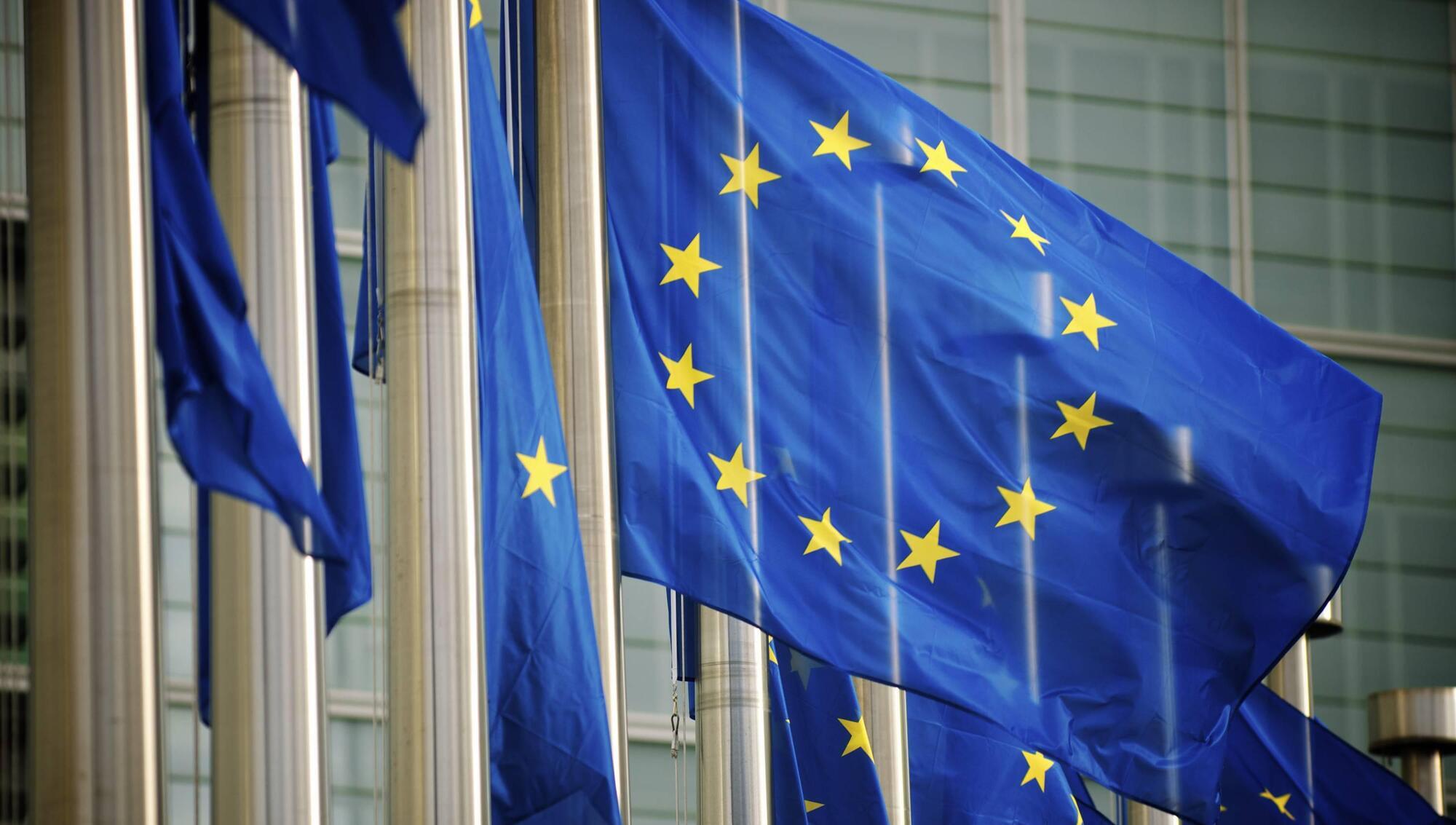
An overwhelming 73% of respondents harbour a strong European vision of unity and political integration. File picture
Europeans overwhelmingly want a strong, united and independent Europe but question whether it can get there, according to a study that suggests a continent-wide crisis of confidence is creating fertile ground for far-right narratives of decline.
The report, based on 5,800 interviews in France, Germany, Italy, the Netherlands, Poland, and Britain and analysis of the way Europe is discussed in the politics and media of 15 countries, paints a picture of an ambitious but disillusioned public.
It found that 68% of respondents spoke about Europe in terms of a “general deterioration or loss of normality”, compared with just 12% who said they viewed the present moment as a time of “European awakening and renewal”.
Many recognised the major challenges facing Europe, including war (43%), economic pressures (33%), and the need for greater international autonomy (29%). But 74% said Europe was not dealing well with them, and 56% believed its future is “in danger”.
The problem is not lack of ambition: an overwhelming 73% of respondents harbour a strong European vision of unity and political integration (35%), peace and security (28%) or prosperity (19%), while only 13% hope for “less Europe” or EU dissolution.
For many, said the study’s author, Paweł Zerka, a senior fellow at the European Council on Foreign Relations (ECFR) thinktank, the problem is “not that they’ve stopped wanting a stronger Europe, but that they no longer believe it’s achievable”.
The result, Zerka added, is an “imagination gap. People can picture the kind of Europe they want, but struggle to imagine a credible path from where it is today to where they want it to be. These are matters of policy, not just communication”.
A week before the European Commission president, Ursula von der Leyen, is due to deliver her annual “state of the union” address in Brussels, Zerka said the evidence suggested the bloc needs “fewer grand promises” and more “proof of trajectory”.
The study classed Europe’s voters in four categories. The Positives (19%) are staunch pro-Europeans who view current crises as a catalyst for a stronger, more integrated union. The Negatives (39%) believe Europe’s best days are behind it.
Almost half of people in France, Germany and Italy — and almost all who voted for radical-right parties such as Germany’s AfD, France’s RN, the Dutch PVV and Reform UK — were Negatives, with 83% speaking of Europe in terms of loss and decline.
The Disconnected (12%) are generally apathetic voters for whom EU integration is distant background noise, and the Uncertain (31%) share pro-European values but doubt the continent’s ability to act decisively, keep citizens safe or uphold its values.
Almost a third (32%) of respondents across all countries surveyed mentioned “Europe’s slowness” in their responses. As one young Polish citizen, born in the 2000s, put it bluntly: “The EU fundamentally discusses a lot, but does nothing.”
The bloc’s failure to stand its ground when confronted by powerful actors was also a recurring theme, mentioned by almost a third (30%) of all respondents, with the EU’s recent tariff concessions to Donald Trump a particularly humiliating symbol.

CONNECT WITH US TODAY



Be the first to know the latest news and updates