Ireland's first 'research security' guidelines issued to third-level institutions

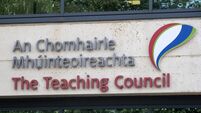
The Irish document states: 'The geopolitical importance of research and innovation has grown significantly. Potential risks include intellectual property theft, foreign interference, and unwanted transfer of knowledge in ways researchers do not intend.' File picture
The Government has produced its first-ever “research security” guidelines for third-level institutions in a bid to address foreign interference and intellectual property theft.
The measures have been developed to counter any efforts that could “undermine academic freedom, institutional integrity, or fundamental values”.
The Research Security Guidelines for Ireland 2026 has been issued by the Department of Further and Higher Education following a call by the EU in 2024 on member states to develop a security framework.
In Britain, the threat posed by foreign interference is considered so serious that last February, its security service, MI5, took the extraordinary step of conducting briefings with over 70 universities.
The British government announced it was investing £3m in establishing a new reporting mechanism for universities to the government, including MI5.
Read More
The Irish document states: “The geopolitical importance of research and innovation has grown significantly.
“Potential risks include intellectual property theft, foreign interference, and unwanted transfer of knowledge in ways researchers do not intend.”
The guidelines state that research communities were “particularly exposed to risk” because of their international nature.
It says the responsibilities for colleges include:
- Conducting proportionate risk assessments for international partnerships, visiting researchers, and sensitive research projects;
- Establishing internal governance structures for research security;
- Developing and delivering awareness training for researchers;
- Ensuring transparency in funding, affiliations, and conflicts of interest;
- Implementing safeguards for data, intellectual property, and research infrastructure.
In addition, it urges colleges to ensure cyber security measures are “robust”.
It calls on the colleges to “establish clear institutional mechanisms for reporting research security incidents”, including anonymous reporting channels.
It said most incidents “should be handled at institutional level”, but that they should contact national authorities when incidents involve potential threats to national security, state intelligence, or export control interpretation, or cross multiple institutions or involve potential criminality.
In 2022, the European Parliament expressed concern about Chinese state espionage activities in EU universities and industry.
In July 2023, the intelligence and security committee of the British parliament detailed threats to British industry and universities from Chinese authorities.
Its report said China exerted its influence in various ways: Over academic institutions by leveraging fees and funding; over academics through inducements and intimidation; over Chinese students by monitoring and controlling; and over think tanks through coercion.
Last January, during an official visit to China, Taoiseach Micheál Martin said he did not believe there was a security threat from closer academic ties with China, adding there had been linkages for quite a long time.
Three Irish third-level institutions — UCC, UCD, and University of Galway — have Confucius Institutes on their campus. The institutes connect the Irish colleges with a counterpart university in China. An arm of the Chinese state funds the institutes.
The institutes offer language classes and hold cultural events, but some security experts say they engage in more than just promoting “soft power” for China.
- Cormac O'Keefe is Security Correspondent.

CONNECT WITH US TODAY



Be the first to know the latest news and updates