Taoiseach disputes latest ESRI report on child poverty, but concedes levels are 'too high'
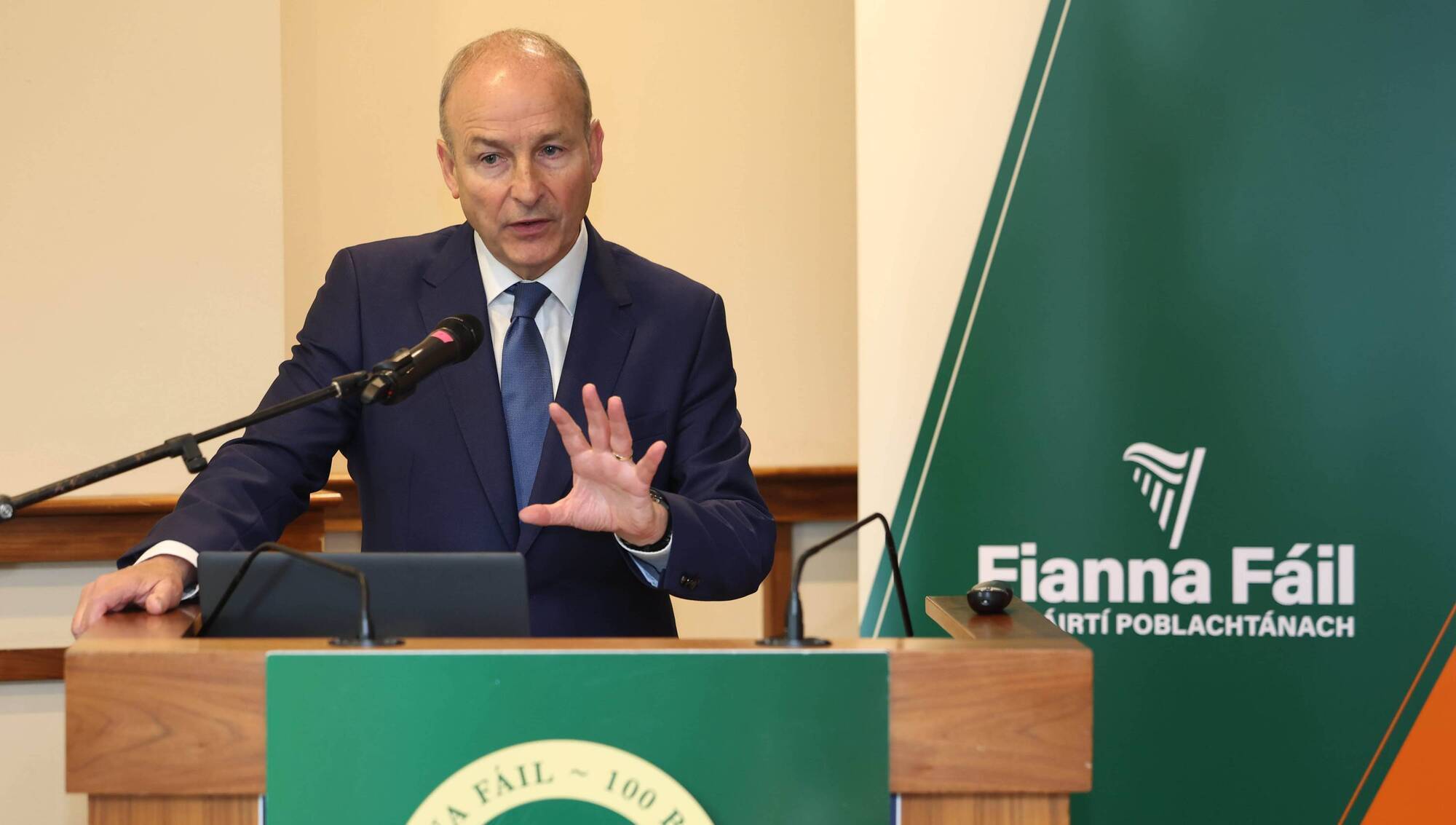
Taoiseach, Micheál Martin has said there is “a lot more to be done” in terms of reducing child poverty in Ireland following the publication of the latest ESRI report. Picture: Damien Eagers
Taoiseach Micheál Martinhas said there is “a lot more to be done” in terms of reducing child poverty in Ireland following the publication of the latest ESRI report.
Mr Martin, speaking on RTÉ’s , said while the report revealed that 200,000 children across the country are living below the poverty line, he would “question some of the methodology used” in measuring such figures.
The ESRI’s annual report on poverty, income inequality and living standards found child poverty increased by 2.5% in 2024, leaving the Government far off its target of reducing the rate to 3% by 2030.
The figures meant that approximately 8.5% of children in Ireland were living below the poverty line, however, Mr Martin said that “has been reduced to 7.8% based on 2025 figures”.
Read More
“The level of child poverty is not acceptable, but the methodology is crucially important here, because it's not taking into account the range of measures we've taken over the last two budgets,” said Mr Martin.
“That ESRI report doesn't take into account the full impact of the last three budgets because it's partially based on 2023 data.
“The fact of the matter is last year's child support payments were not incremental as described this morning. They were record increases in child support payments.
“Free school books came in over the last two to three years, hot school meals are available in almost all schools now, the Deis-Plus programme has been introduced, we have free GP care for under nine-year-olds, the social housing impacts I mentioned earlier, and a lot of that isn't getting measured in the particular framework that was used [for the ESRI report].
“I would question some of the methodology used,” he added.
“We have to be absolutely adamant that we look after children in terms of access to education, access to housing, access to health care.
“Those are core fundamentals in terms of child poverty that we are focused on.
“I agree it's too high, I'm not arguing with that.
“We're working with all government departments to get all policies focused on reducing child poverty.”
Mr Martin additionally said that “a wide range of measures” will be implemented in the next budget to alleviate pressures on families and individuals on lower incomes.
“Income tax reductions will help people generally and will help those in terms of the social protection measures we're going to bring in, in terms of further investment in housing, and in retrofitting and in enabling people to avail of supports to reduce their costs,” said Mr Martin.
“We will also look at energy affordability measures which we have to discuss further between the parties.
“We haven't excluded tax credits either, so that's all to be discussed in terms of the methodology of the tax reduction.
“There are many people who are driving to work and so on too who are under extraordinary pressure, and they need support as well.
“Through social protection measures and other targeted measures, we will target those on low incomes in particular.
“Last year we provided very substantial core payments, and in the previous budget, so again, we will use the social protection measure to do everything we can.”
Mr Martin said while there has been no moves made to introduce a second tier of means tested child benefit payments, the reduction of childcare costs would be “another key way to help families on low income”.
“Up to 100,000 children could be taken out of supports if you were to bring in a second tier of child payment, and that's a concern,” said Mr Martin.
“The Department of Social Protection have said that it's a very complex scheme.
“They went out to public consultation this summer, about 272 submissions came back in.
“The increase in child support payments, which are separate to the child benefit payment, are additional, and in many ways, is a move towards that second tier approach."
Mr Martin said the implementation of the scheme is “not simple, and in the interim period, what we want to do is look at measures which would help”.
“I accept there's a lot more to be done, and we have a lot more work to do, but we're focused and targeted on doing that,” he said.
“I think the best way to do it is through increasing child support payments and other measures that can increase income levels but also opportunities for people on the lowest incomes.
“That's the strategy we will use,” he added.
“The department will come back to us in respect of the second tier payment for children.”
On other cost of living items, Mr Martin said while diesel and petrol prices are "very high", Government has "to look at discussing that over the next two to three weeks".
“The sense is that the new normal is where we are now in respect of fuel prices,” said Mr Martin.
“Experts are saying there is no immediate sense of a reduction in oil prices, even if there was a breakthrough in respect of talks between the United States and between Iran and the Middle East more generally.
“Where we want to go is actually to increase supports on the retrofitting front, introduce more support for solar power installation - all of which can reduce costs.
“So we're going to have to look at everything in respect of fuel and in respect of energy, and we will discuss that in the coming weeks.”
CONNECT WITH US TODAY



Be the first to know the latest news and updates