Number of children living below poverty line rises by 30,000, bringing total to 200,000
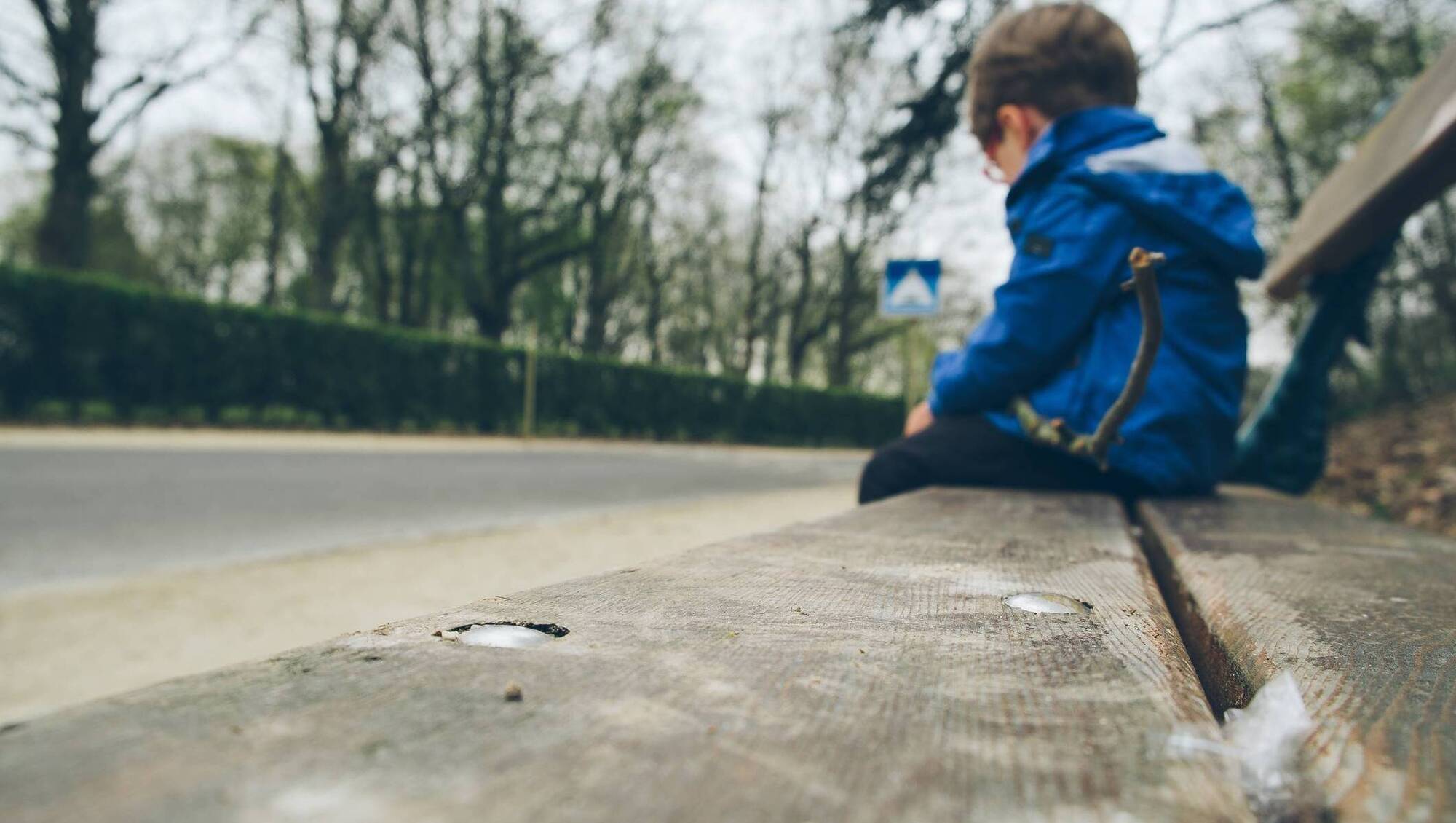
The ESRI said the rise in child poverty was 'particularly pronounced' among families with young children.
The number of children living below the poverty line has risen by almost 30,000, bringing the total to 200,000, according to new figures.
The ESRI’s annual report on poverty, income inequality and living standards found child poverty increased by 2.5% in 2024, leaving the Government “very far” from its target of reducing the rate to 3% by 2030.
The poverty line is defined as having less than 60% of median household income.
The increase came despite strong growth in average household income. Adjusted for inflation, household size, and composition, average household income rose by 4% between 2023 and 2024.
The increase was greater once housing costs were taken into account, with the number of children in poverty rising by 40,000 to 260,000.
The ESRI said the rise in child poverty was “particularly pronounced” among families with young children. After housing costs, poverty among families whose youngest child was aged between birth and five increased from 20.8% to 26.6%.
However, the rate fell from 12.4% to 10.1% among families whose youngest child was aged over 11.
The research also found 9% of children under the age of 16 experienced both child-specific deprivation and household deprivation.
In these households, the ESRI said parents “lacked the resources to shield their children from material hardship”.
“These children were more likely to live in lone-parent families, households with weak labour market attachment and migrant families,” the report said.
Some 10% of children were also deprived of activities such as school trips, regular leisure activities or new clothes.
These children were more likely to live in large families, jobless households or social rented housing.
Looking at household incomes, the report found they grew faster at the top than in the middle or bottom of the distribution between 2023 and 2024. The ESRI said incomes grew by more than 7% for the top tenth of households, compared with 3% for the bottom half.
“While this should be seen in the context of a sustained decline in income inequality over recent decades, the economic growth experienced since the covid-19 pandemic has failed to deliver the same benefits for the bottom of the distribution as seen during the Celtic Tiger period and the 2014-2019 recovery,” the report said.
Assistant professor at Trinity College Dublin and report co-author Barra Roantree said the findings suggest “that it is important to account for housing costs in the measurement of child poverty, something the Government’s official 2030 target does not do”.
“Regardless of how it is measured, it is clear that new policy measures — such as a second tier of child benefit — will be needed if the Government is to come close to meeting this target,” he added.
ESRI senior research officer Bertrand Maître said “while many parents are able to shield their children from some of the effects of household hardship, one in 10 children are not protected from these consequences and experience deprivation of basic necessities enjoyed by their peers”.
“This is likely to mean children feel excluded and miss out on social and educational opportunities,” he added.

CONNECT WITH US TODAY



Be the first to know the latest news and updates