Tánaiste urged to fund permanent ranger unit to fight wildfires in country's national parks
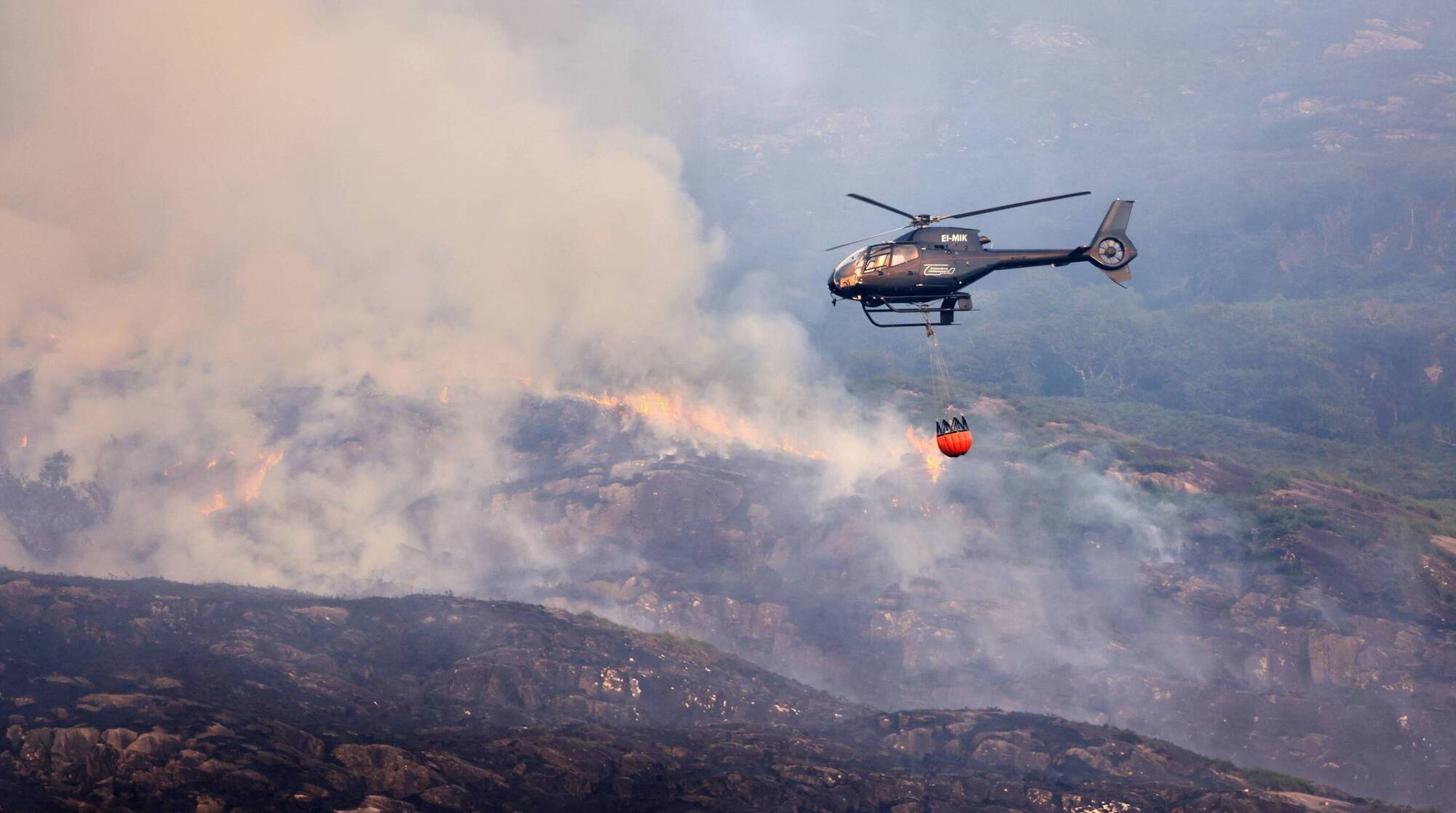
Multiple wildfires have occurred over the summer months amid the long dry spell, including in Slievenamon, Co Tipperary, Comeragh Mountains in Waterford, and Killarney National Park in Kerry. Photo: Valerie O'Sullivan/NPWS
Tánaiste Simon Harris has been urged to provide funding to deliver a permanent firefighting capacity for the National Parks and Wildlife Service (NPWS).
Junior minister for nature and biodiversity, Christopher O’Sullivan, has written to Mr Harris calling for the Government to improve the NPWS’s abilities to respond to major wildfires across Irish national parks.
A copy of the letter, released under Freedom of Information, said that Ireland now faces an “inflection point” over wildfires.
“The duration and intensity of the recent fires on multiple fronts across our National Parks have set a new and devastating benchmark, with 14 days of consecutive active fire management taking place both on the ground and in the air,” Mr O’Sullivan wrote.
He cited the wildfire in the Featherbeds area of the Wicklow Mountains National Park which had become the “longest running fire incident” in the NPWS’s history.
Read More
“As wildfires rage across Europe, Ireland is faced with the sobering realisation that these events are likely to become a regular feature within our own landscapes,” the Cork South-West TD wrote.
Mr O’Sullivan referred to the 2021 Killarney National Park fire, saying this led to a “significant strengthening” of the NPWS fire response capacity, with better training, equipment and resources.
“If we hadn’t taken these measures, I fear the outcomes in Killarney and Wicklow this year would have been far worse,” Mr O’Sullivan wrote. “It’s undeniably clear that we now need to go further.”
Multiple wildfires have occurred over the summer months amid the long dry spell, including in Slievenamon, Co Tipperary, Comeragh Mountains in Waterford, and Killarney National Park in Kerry.
The fires led to a push for new laws to bar people from using disposable barbeques, with Mr O’Sullivan at the forefront.
The letter adds that aerial firefighting is “indispensable” in suppressing and slowing the spread of wildfires, but this must be combined with “experienced boots on the ground working to contain fire fronts, extinguish hotspots and prevent reignition”.
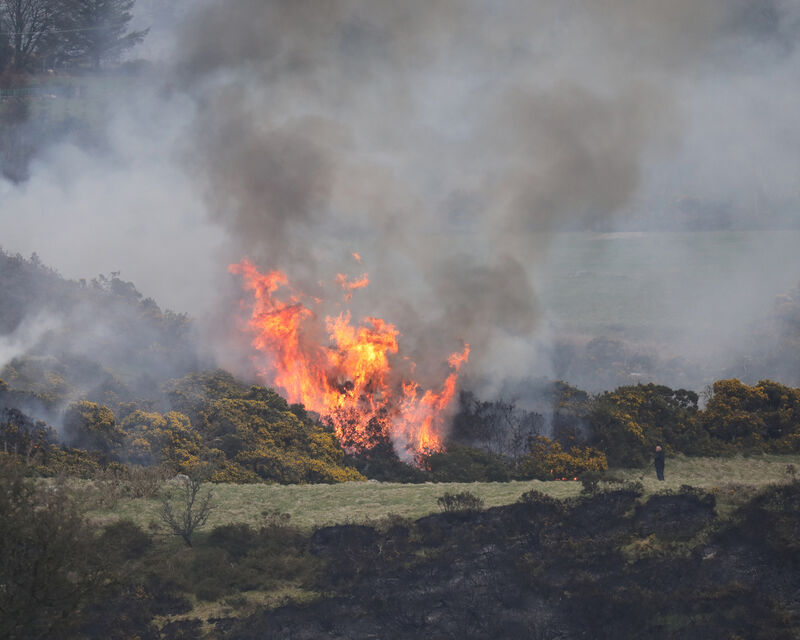
“A changing climate means we must prepare for longer heatwaves, prolonged dry spells and the increased fire risk they bring,” he wrote.
“It is therefore essential that the NPWS moves from a reactive model of emergency response to one that builds permanent frontline operational capacity, in order to ensure rapid responses at the earliest possible stage and flexible deployment of trained personnel across multiple regions.
“Furthermore, it would be remiss of me not to look ahead to the need to restore damaged uplands, woodlands, waterways and wildlife through significant nature restoration measures — both on public and private land.
“Of course, this is also a question of resilience: healthy nature is our first and best line of defence against climate change, whether fires, storms or floods.”
Mr O’Sullivan said to establish a proactive fire response, there would need to be a further €1m per year provided to NPWS payroll for the recruitment of 25 additional rangers. This would bring the total number employed by the NPWS from 120 to 145.
The junior minister said he would be including this as part of his Budget 2027 ask, which would also include a request for funding “to deliver nature restoration measures on both public and private land”.
Mr O’Sullivan added this would incorporate €1bn worth of capital funding over six years, between 2027 and 2032. It would also require dedicated staffing, costing approximately €2m per year for 25 operational and technical staff.
“In my view, these are essential, strategic climate adaptation measures. The past 14 days have shown that climate change is changing the rules, and our response must change with it.”
- Tadgh McNally, political reporter


CLIMATE & SUSTAINABILITY HUB
CONNECT WITH US TODAY



Be the first to know the latest news and updates