HSE urged to continue talks over Skyclarys treatment for Friedreich's ataxia patients
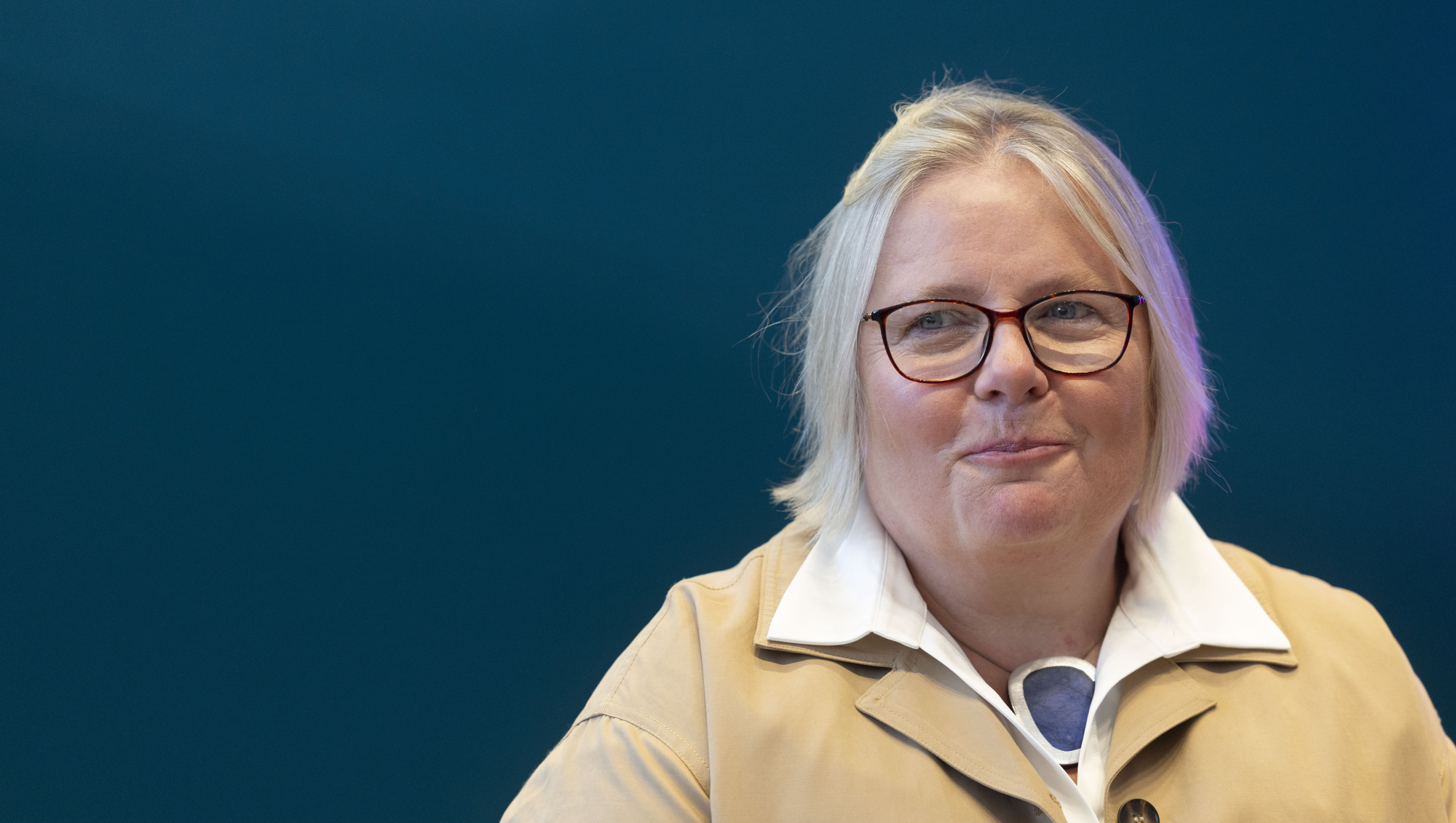
Rare Disease Ireland chief executive Vicky McGrath: 'We're usually the ones talking about systems, not individual drugs — because our job is to represent everyone, not one condition.' File picture: Sam Boal/Collins Photos
Rare Disease Ireland has urged the HSE to continue negotiations on the price of a treatment for Friedreich's ataxia, in the first such intervention the group has ever made.
The appeal comes ahead of a meeting of HSE senior management on Tuesday at which a decision is expected on whether Skyclarys will be funded for patients in Ireland.
The HSE drugs group last month indicated that the Skyclarys estimated cost of €280,000 per patient per year is too high and raised questions about the effectiveness of the treatment for patients.
RDI is an advocacy group that is usually focused on lending broad support to all rare disease patients.
Read More
On Monday chief executive Vicky McGrath said the decision to intervene on the issue came after considering the potential impact of Skyclarys on patients it supports.
“RDI has never publicly called for the reimbursement of a single medicine," said Ms McGrath.
"We're usually the ones talking about systems, not individual drugs — because our job is to represent everyone, not one condition,” she said.
“But this week I keep thinking about the families I've sat across from who have watched someone they love lose ground, month by month, to a disease that finally — finally — has a treatment, only to be told the system isn't quite ready to say yes.”
Ms McGrath said its message to the HSE is rigorous and fair, noting concerns already expressed by the HSE about the efficacy of this treatment.
In the letter, seen by the , RDI said: “We accept that uncertainty exists."
It said this is linked to the relatively small number of patients around the world living with this condition, saying it makes it harder to carry out the large-scale studies typically needed.
RDI called on the HSE to consider the dilemma from another angle, noted there is a high unmet medical need.
It said: “How can the health system responsibly manage unavoidable uncertainty while ensuring that patients do not lose access to potentially beneficial treatment during the period in which further evidence is generated?”
Skyclarys is the first licenced pharmacological treatment for this condition.
RDI called for managed access to the drug and for an appropriate price to be negotiated.
The advocates also called for more transparency on how the HSE drugs group makes its decisions.
It welcomed media interviews given by Professor Michael Barry on this, but said more formal communication should be shared with the rare disease community.
Skyclarys is approved in 11 EU countries, though the likes of Denmark and Netherlands have also raised questions about the price. The Dutch health authorities reportedly sought an 84% price cut.
A campaign also continues in the UK for Skyclarys to be funded there.
It is not a cure but has been shown in studies to slow physical impairments caused by the condition.


CONNECT WITH US TODAY



Be the first to know the latest news and updates