98 new electric buses still in storage due to lack of chargers
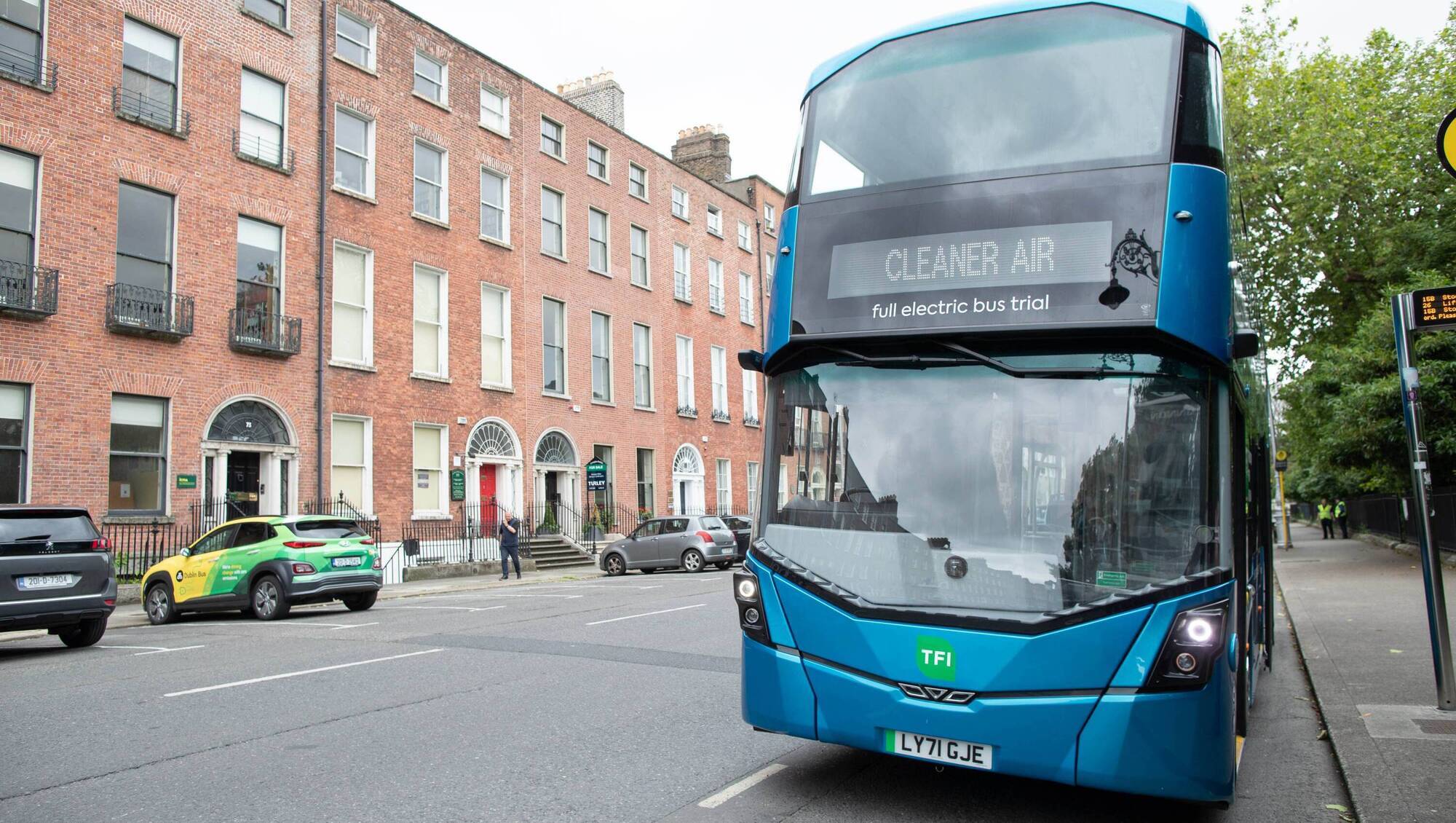
The National Transport Authority plans to establish a new national framework for bus charging infrastructure.
Almost 100 new electric buses remain in storage awaiting the installation of charging infrastructure.
Minister of State for Transport Jerry Buttimer confirmed that 98 battery-electric buses have yet to enter service despite being delivered for public use.
The issue was raised after the Dáil Public Accounts Committee examined the storage of hundreds of buses over recent years and the associated costs to the taxpayer.
Fine Gael TD Grace Boland said the committee had established that
384 buses had been placed in storage over the past four years, with 98 electric buses still awaiting deployment.
CLIMATE & SUSTAINABILITY HUB
“These are much-needed buses that should be servicing our community,” she said.
Read More
Mr Buttimer has acknowledged that delays in bringing the vehicles into service were regrettable but defended the decision to purchase buses before charging facilities were fully in place.
He said delaying bus purchases until all charging infrastructure was available would have resulted in significantly higher costs due to inflation.
According to Mr Buttimer, the additional cost of postponing purchases by a year would have been approximately €12m, compared to about €7m incurred through storage costs.
The Dáil was told that more than 250 battery-electric buses have already been introduced into the Dublin Bus and Bus Éireann fleets, including the operation of fully electric services in Limerick and Athlone.
Of the 98 buses currently awaiting deployment, 56 are destined for Dublin and are expected to enter service later this year. The remaining 42 buses are earmarked for Galway and are due to enter operation towards the end of 2026 and in early 2027.
Mr Buttimer said one of the main challenges was the mismatch between the time required to procure electric buses and the process of installing charging infrastructure.
He said ordering a new electric bus can take 12 to 48 months, while charging facilities often require planning permission, procurement processes, and installation works before they can become operational. The National Transport Authority plans to establish a new national framework for electric bus charging infrastructure later this month.
The framework is intended to replace the current project-by-project approach to depot electrification and speed up future rollouts.

CONNECT WITH US TODAY



Be the first to know the latest news and updates