Farmers more concerned about climate change than people realise, ESRI study finds
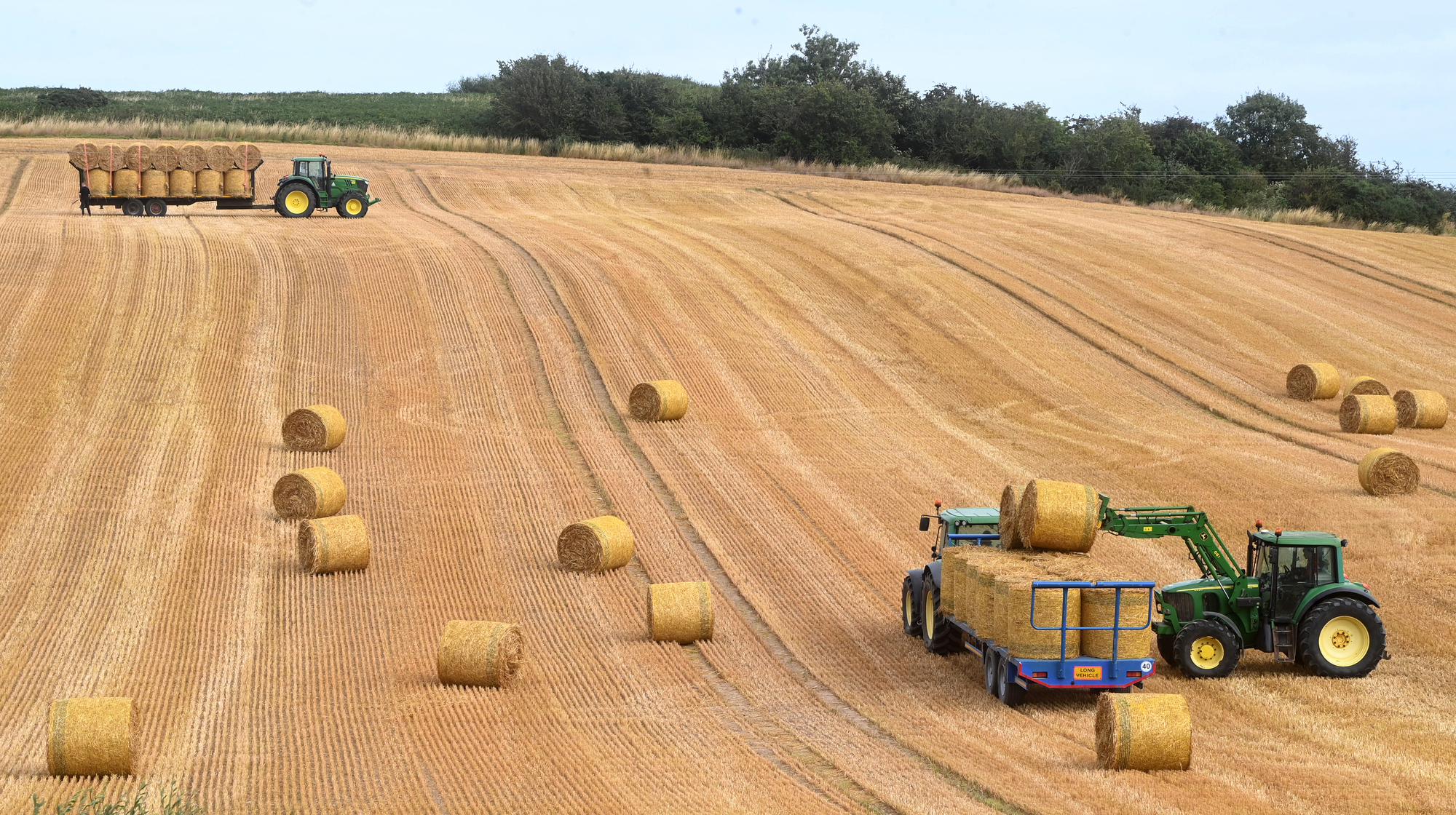
The ESRI surveyed 467 farmers from different farming sectors across the country, along with 1,200 non-farmers living in rural and urban areas. Picture: Larry Cummins
Farmers are more worried about climate change than many people realise, and there is a “widespread pluralistic ignorance” surrounding the issue, according to a new study.
A research bulletin from the Economic and Social Research Institute (ESRI) suggests there is no significant rural-urban divide on climate change and that positive attitudes towards climate action “are, in fact, the norm”.
The findings come after an Ipsos B&A poll for the this week suggested that Irish farmers consider themselves more environmentally conscious than the general population.
"Reducing greenhouse gas emissions requires people to act together and to trust that others are willing to play their part, too," said Dr Lucie Martin, lead author of the study and research officer at the ESRI.
"This study reveals misperceptions within and across groups in Irish society that could undermine climate cooperation. Evidence shows that most people decide whether to act based on whether they think others will, too."
Read More
The study notes that climate change is a collective challenge that requires co-operation, but that people often decide whether to take action based on whether they believe others will do the same.
These efforts can be undermined by inaccurate perceptions of public opinion, including pluralistic ignorance — where people collectively underestimate the views of the majority — and false consensus effects, where people overestimate how widely their own views are shared.
The ESRI surveyed 467 farmers from different farming sectors across the country, along with 1,200 non-farmers living in rural and urban areas.
Participants rated their own level of concern about climate change and willingness to take climate action before assessing farmers using the same measures.
Members of the public were asked about lifestyle changes relating to transport, energy use and food choices, while farmers were asked about adopting climate-friendly farming methods and technologies.
“Both farmers and non-farmers expressed worry about climate change and willingness to take climate action,” the research said.
“However, all groups - except farmers themselves - underestimated farmers' worry and willingness, and all groups underestimated the general public's worry and willingness. Rural and urban non-farmers did not differ in their perceptions.”
The study also found strong false consensus effects, with respondents tending to assume that others shared their own views.
Those who were least worried about climate change and least willing to act were more likely to assume, incorrectly, that others felt the same way.
Conversely, respondents who were most worried and most willing to take action were also more likely to believe others shared their views.
Senior study author and head of the ESRI Behavioural Research Unit, Professor Pete Lunn, added: “Both farmers and non-farmers expressed worry about climate change and willingness to take climate action. However, all groups (except farmers themselves) underestimated farmers' worry and willingness, and all groups underestimated the general public's worry and willingness.”

CLIMATE & SUSTAINABILITY HUB
CONNECT WITH US TODAY



Be the first to know the latest news and updates