'Doctors have gone into work day after having a miscarriage because teams are so short-staffed'

The HSE workforce is around 78% female and unions warn that as many as one in five in some hospitals are out on maternity leave at any given time, but are not replaced. File picture
Female doctors have gone into work the day after having a miscarriage because their teams are so short-staffed and they fear for their patients’ safety, health unions have warned.
The HSE workforce is around 78% female and unions warn that as many as one in five in some hospitals are out on maternity leave at any given time, but are not replaced.
This leaves patients waiting for care or treated in unsafe environments, union representatives told the Oireachtas health committee.
Irish Medical Organisation (IMO) vice president Dr Rachel McNamara described how staff shortages directly impact doctors facing personal tragedies.
“I know doctors who’ve worked the day after miscarrying,” she said.
“Because there’s so little slack built into teams that they feel if they don’t go in then patients’ lives will be put at risk.
"There’s nowhere to turn for them... It is a crisis.”
Read More
Irish Nurses and Midwives Organisation (INMO) director of professional services Tony Fitzpatrick said maternity leave is a “major issue” for the health service.
“You’ve some hospitals that will have departments and the maternity leave could be 10% or it could be 20% [out on leave].
“The average is 2% to 4% but they’re not replaced.”
Mr Fitzpatrick told health committee chair Padraig Rice that collective agreements are not being followed.
IMO chief executive Susan Clyne said: “In any other workplace women would be comfortable going into work and saying they’re pregnant, talking about their maternity leave, but it is a nightmare [for doctors]... That person goes on maternity leave and there is no cover.”
Fórsa national secretary for health and social care Linda Kelly described how this is a major issue for other staff.
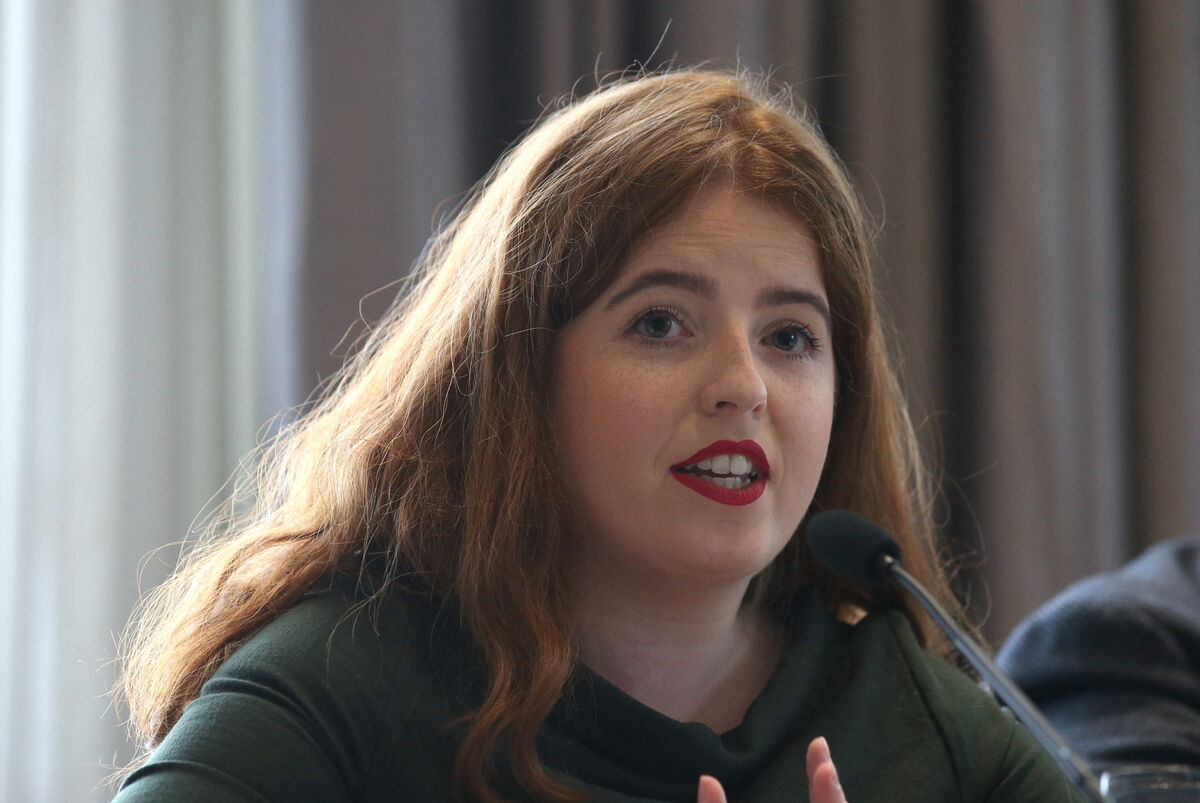
“The HSE is the largest workforce in the State and it is the largest female workforce, and there is no standard provision for maternity leave,” she said.
“That is an absolute disgrace to this republic in 2026. It is not a workplace that is kind to women in that regard.”
A number of speakers referred to hospital and community waiting lists for patients. They said having so many people delayed in accessing care is a clear sign staff numbers are not adequate.
They were critical of a recently-introduced hiring freeze across three HSE regions, including the Southwest and Southeast.
Other HSE regions also face spending caps due to a budget deficit of €250m in March.
Ms Kelly described it as “using a sledge-hammer to swat a fly”, saying it is creating uncertainty in the hiring pipeline.
Siptu organiser Liz Cloherty called for “a safe staffing framework which would be applicable to all grades across the health service.”
This would match staff numbers to patient demand but she said this is only in place in a limited way for some nursing roles.
“There is currently nothing in place for all other staff who work across the health service,” Ms Cloherty said.
Overall, unions warned of extremely low staff morale linked to the high workloads and mismatches between their numbers and the number of patients.
The IT system nationally was described as “antiquated” by healthcare workers, who said this adds to delays.
CONNECT WITH US TODAY



Be the first to know the latest news and updates