Elaine Loughlin: Simple steps that could alleviate pressure on nurses
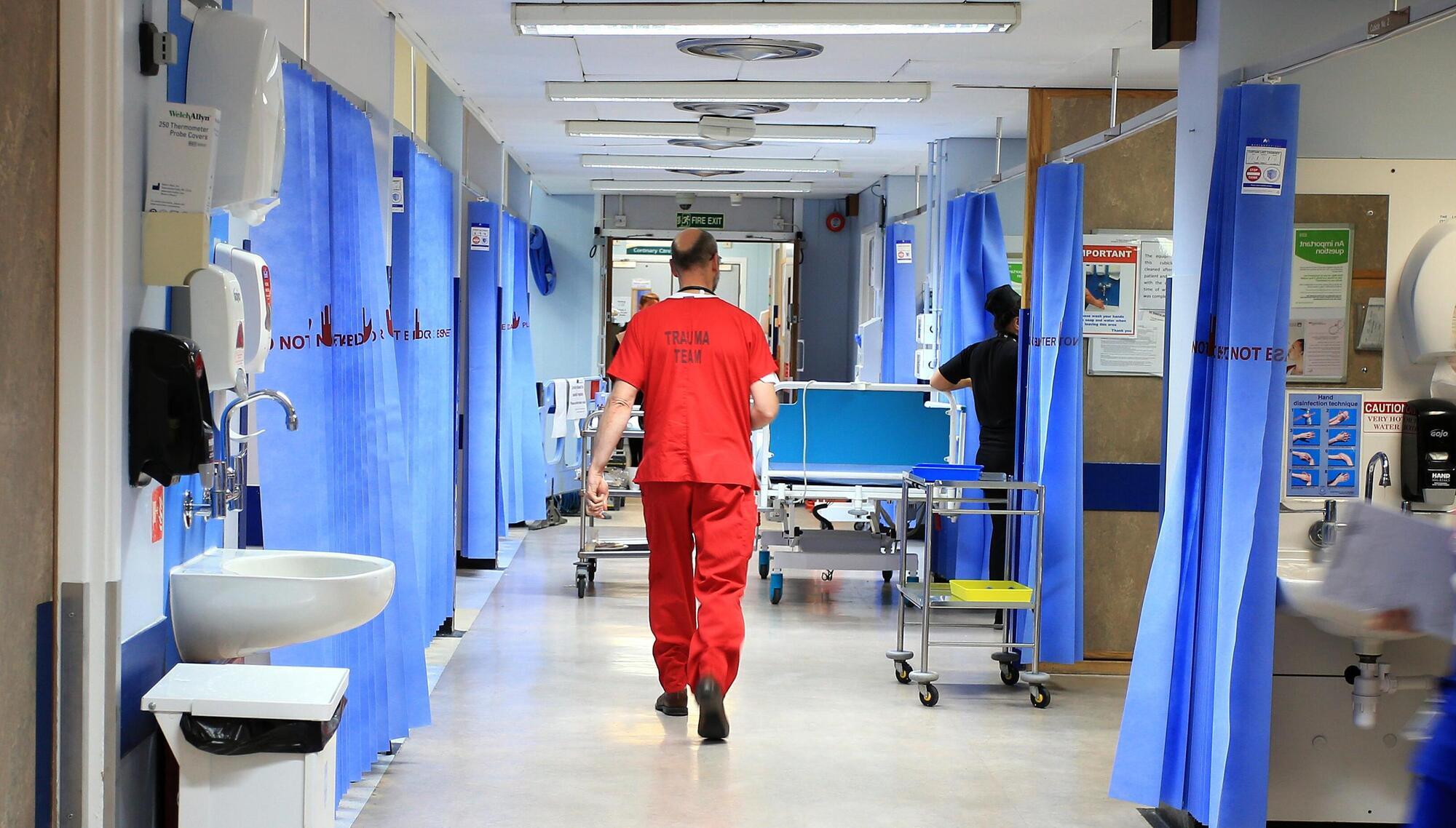
Instead of spending an afternoon highlighting the dedication of our nurses, our politicians could do the job they are elected to carry out
Elaine Loughlin: Simple steps that could alleviate pressure on nurses

At a time when the long-term physical and psychological effects of staffing deficits, capacity shortages, and stress were the main focus at INMO’s conference last week, describing nurses as a motivated workforce seems to be a case of extreme sugarcoating.

Six years ago, socially distanced politicians got to their feet to applaud our frontline workers.

“Applause, but no pay rises,” was how Ruth Coppinger put it when she got up to speak in the Dáil to mark International Nurses Day.

Winter has traditionally been crisis season for those doing shifts in our hospitals, but with 613 patients waiting on trolleys Tuesday morning, ambulance workers taking industrial action, and a possible HSE recruitment freeze, those manning wards are in for a summer of strain.

During more than two hours of statements yesterday afternoon, there were many words of “appreciation” for dedicated nurses who were described as being the “backbone” of the health service.

Burnout has become almost inevitable among our healthcare workers. Almost a quarter of nurses have attended their GP due to work-related stress in the past 12 months, according to an Irish Nurses and Midwives Organisation (INMO) survey, published last week.

Of those who took part in the survey, 39% reported that their work negatively impacted their psychological wellbeing.

Standing in the Dáil, health minister Jennifer Carroll MacNeill said investment in recent years has led to a “highly skilled and motivated workforce”.

At a time when the long-term physical and psychological effects of staffing deficits, capacity shortages, and stress were the main focus at INMO’s conference last week, describing nurses as a motivated workforce seems to be a case of extreme sugarcoating.

“Having a sustainable workforce is critical for the future of healthcare in Ireland,” Ms MacNeill said.

A more realistic view was given by her Coalition colleague Naoise Ó Cearbhaill, who detailed the first-hand experience of seeing his mother leave a profession she loved because the working conditions and late hours of nursing didn’t compute with rearing four children.

There are countless stories of similar women — and it is still a predominantly female workforce — being forced to give up their careers, exhausted.

Instead of cheaply thanking them for their service, the Government could take simple steps to ensure nurses don’t needlessly have to walk into overcrowded wards.

Last winter marked a positive change for nurses working in paediatric wards, when cases of RSV among children almost disappeared, reducing hospitalisations by 78%, due to the rollout of an immunisation programme.

This was in stark contrast to the winter of 2023, when record levels of the illness put children’s hospitals under unprecedented pressure. In the first week of December that year, there were almost 1,000 cases of RSV. The surge put frontline staff working in hospital wards under intense pressure and led to the cancellation of other procedures at Children’s Health Ireland (CHI) in Crumlin.

Nurses don’t need to be subjected to the mental load of anticipating this surge when a highly successful immunisation programme is an option. And yet the advice recently given to the minister by Hiqa is that the vaccines are not cost-effective. What level of weight is given to the welfare and safe working conditions of nurses in such a cost-benefit analysis?

While the RSV programme will continue this winter, there are no plans to extend it beyond this pilot phase.

In perhaps a hint of recognition of how bad things are across our wards, emergency departments and clinics, Ms Carroll MacNeill did tell the Dáil that despite the “recruitment success”, nurses do continue to experience “staffing gaps” and an overreliance on agency staffing in some areas.

Instead of spending an afternoon highlighting the dedication of our nurses, our politicians could do the job they are elected to carry out by passing legislation to guarantee safe staffing.

This was a call made by INMO general secretary Phil Ní Sheaghdha last week, who said the main solution to solving rising levels of burnout is underpinning safe staffing policies with legislation.

“If workplaces were guaranteed to be safe, it would lessen the burden on nurses and midwives. The voluntarist approach to implementing safe staffing policies is clearly not working.

“This level of stress is not something anyone can or should live with in the long term, and the fact that conditions have been allowed to deteriorate to this level reflects very badly on the organisations and people who are responsible for this workforce,” she said.

  • Elaine Loughlin is Political Editor.
x

More in this section

Revoiced

Newsletter

Had a busy week? Sign up for some of the best reads from the week gone by. Selected just for you.

Cookie Policy Privacy Policy Brand Safety FAQ Help Contact Us Terms and Conditions

© Examiner Echo Group Limited