GPA calls for matchday policy on treatment of extended panel members
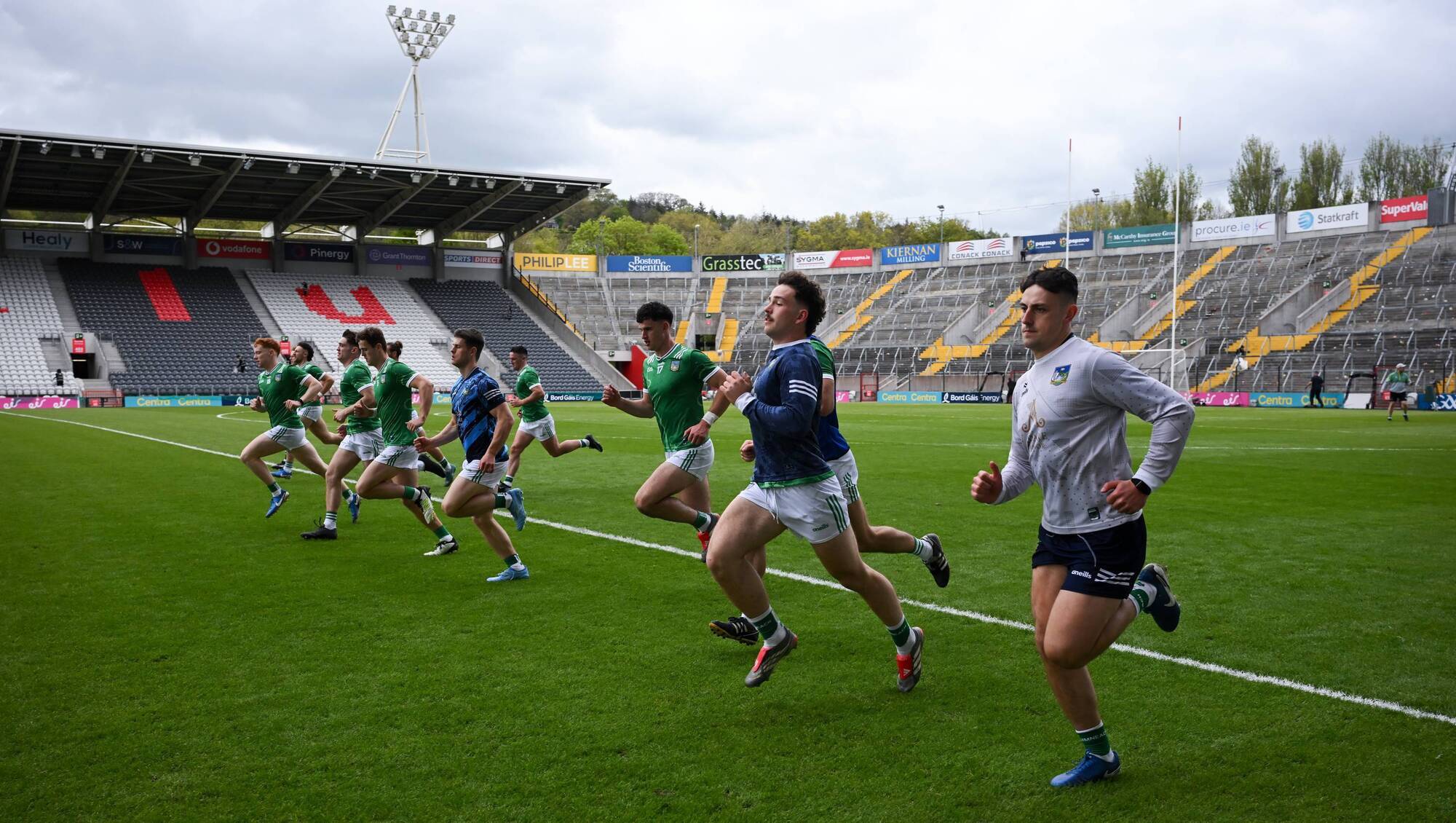
John Kiely once said he measures Limerick's dressing room culture by how their third choice goalkeeper is feeling. Pic: Ray McManus/Sportsfile
Gaelic Players Association (GPA) chief executive Tom Parsons says there should be a general agreement on how extended panel members are treated on the days of championship games.
The has learned of a number of counties whose standby players and other panellists have had to make their own way to championship matches this year.
Certain county teams are known to include their players outside the 26 named on a matchday squad by providing separate transport and food, as well as ensuring on-field access before matches. Some have been known to help in the warm-up by returning footballs and sliotars for their team-mates.
Managers have also insisted as a non-negotiable that extended squad footballers and hurlers be part of overnight trips and travelling parties on the day of fixtures.
Read More
However, there are counties whose budgets don’t incorporate those not togging out for championship games. Limits on official team groups that were brought in during the pandemic seasons of 2020 and ‘21 have been retained as cost-saving exercises.
GPA leader Parsons believes it’s time that policy is agreed across the board to ensure those not listed to participate are valued because when “there is no policy, chaos happens.”
He said: “It’s a culture problem that teams are grappling with. In some instances, squads have 38 to 40 fellas, and it makes no sense having that amount of fellas in a dressing room. There is definitely policy in Croke Park and other venues around the numbers that can be in dressing rooms.
“Certainly during the National League, there’s a sense that if you’re not in the squad, go and play with your club, and some lads would like to do that or attend the game with their partner or their family.
“But when it comes to the business end like a provincial final and using Mayo as an example, the 10 non-panel members would have a separate agenda. They would be with the panel up to the pre-match meal and then head off, attend the game collectively and sit behind the substitutes. They would rejoin then for a post-match meal.
“That’s the golden standard. They have to be made feel a part of it but at the same time they’re not involved. What sort of message does it send out if there is no thought put into the experience of the non-26 on matchday? They should be there and to wish their players the best of luck.
“John Kiely was asked how he measured the culture of the Limerick dressing room and he said it was how the third-choice goalkeeper is feeling. If that player feels respected and involved, he knows he’s doing a good job.”
Parsons recalls his experience at Mayo’s 2019 Division 1 final win over Kerry when as a non-matchday panel member he was denied access to the Croke Park field afterwards. “I was sitting behind the subs and the stewards wouldn’t allow me onto the pitch. I felt like a second-class citizen, for sure.”
As part of the charter agreed by the GAA and GPA, mileage only applies to training and matches where players are required. It would appear to not cover those injured or other panel members not required to tog out but Parsons believes it should.
“Whether you’re playing or not, you’re part of a squad. If you’re a full-back, you need to be watching the movement of the full-back line and that’s not captured on TV.”
Parsons also believes an agreement should be reached about when players can keep jerseys. “We’re constantly engaging with the GAA to update the charter. For example, we want it spelt out when players can keep a jersey after games. A county board official actually said to me it would be helpful if you could tell us what the parameters are when players can keep their jersey.
“It’s obvious for a provincial final but a Munster game where there’s 35,000 at the game, it’s box office and Shane O’Donnell swaps his jersey. Is he allowed to do that?”
Following Saturday’s win over Tipperary in FBD Semple Stadium, O’Donnell gave his jersey to a young member of his club Éire Óg, Inis.


CONNECT WITH US TODAY



Be the first to know the latest news and updates