'Cancer patients face radiotherapy delays due to equipment breaking down'
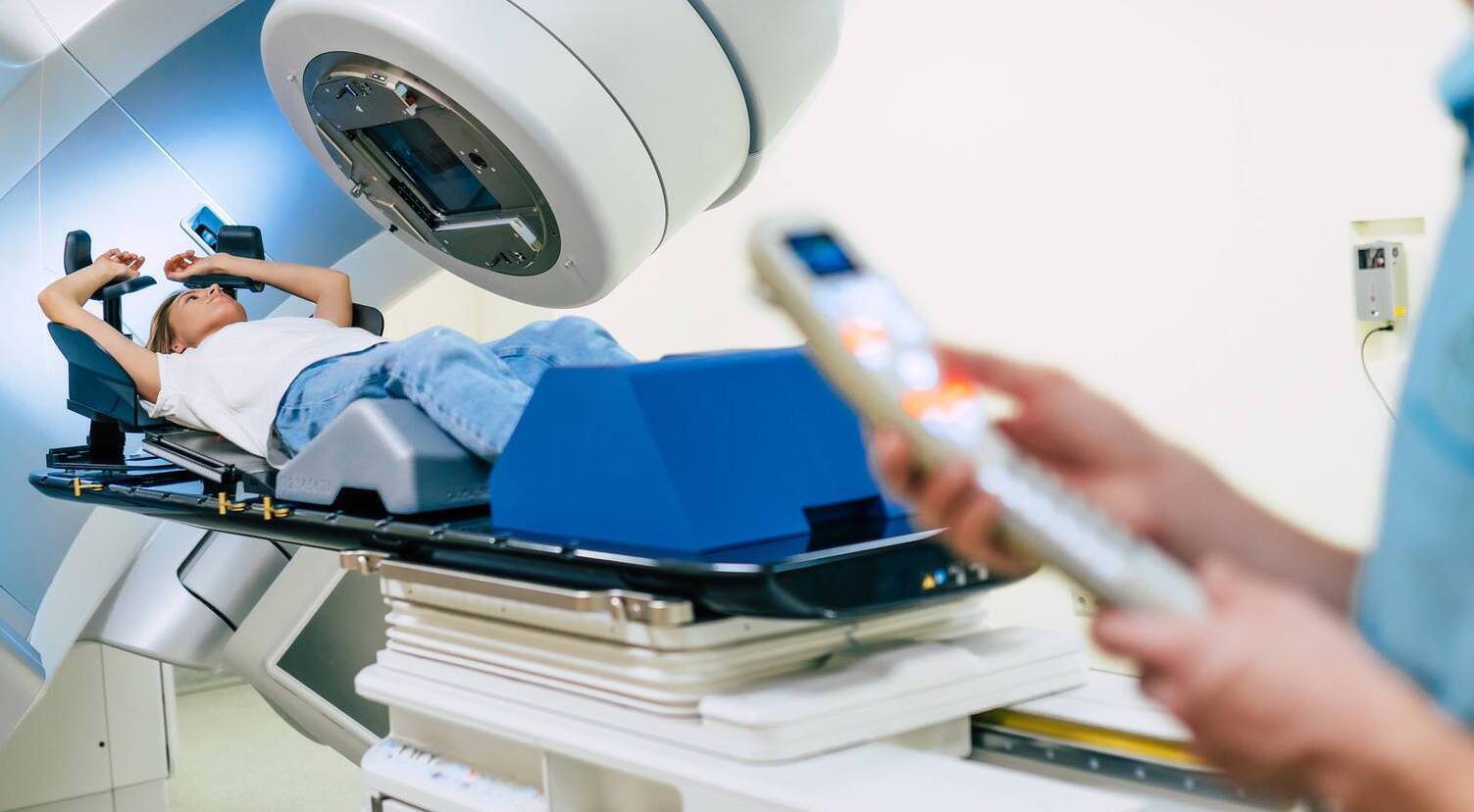
A patient undergoing radiation therapy. File photo: iStock
Cancer patients face long delays in starting radiotherapy, often linked to older machines breaking down, cancer advocates and doctors will tell the Oireachtas health committee on Wednesday.
About 80% of specialist machines in use need to be replaced now or within a few years, including those in Cork hospitals, they will say.
Read More
University College Cork chair of radiation oncology Professor Aisling Barry will call for a national programme with rolling funding to replace outdated or broken machines.
She is expected to set out the central role radiotherapy plays in cancer care.
Irish data shows that up to 50% of cancer patients need this during their treatment.
Radiotherapy is linked to 40% of cancer cures, either as the main or support treatment for patients.
Early stage lung cancers can be cured with radiotherapy without surgery.

Prof Barry will explain how use of radiotherapy is expanding — in Cork there has been a 17.8% rise in its use compared to last year.
Specialist machines — liner accelerators — should be used for between 10 and 12 years, according to international standards.
However in Ireland, 90% of Dublin-based machines are in use for longer than 10 years.
In Cork, the five machines are due to be replaced within three to five years, but there is no proactive planning in place for this.
The committee will also hear from the Irish Cancer Society director of advocacy and communications Steve Dempsey, who will say the problems are predictable and should not be complex to solve. He will also call for a structured national programme for replacing critical machines in cancer care.
An estimated 1,440 people do not start radiotherapy on time and he will caution this could increase unless there is a machine-replacement plan.
Patients have also reported machines breaking down and they are moved to other machines for scanning, which can lead to longer days in hospital and delays.
Other problems include people given a date for surgery and still waiting four months later.
He is also expected to focus on the age of some machines, and say the society is aware of some in use for 18 years already.
About 38% of the linear accelerators in use are much older than the recommended ten years, he will tell the committee.
Niamh Griffin, Health Correspondent


CONNECT WITH US TODAY



Be the first to know the latest news and updates