'Humanity has just endured the 11 hottest years on record,' says UN official
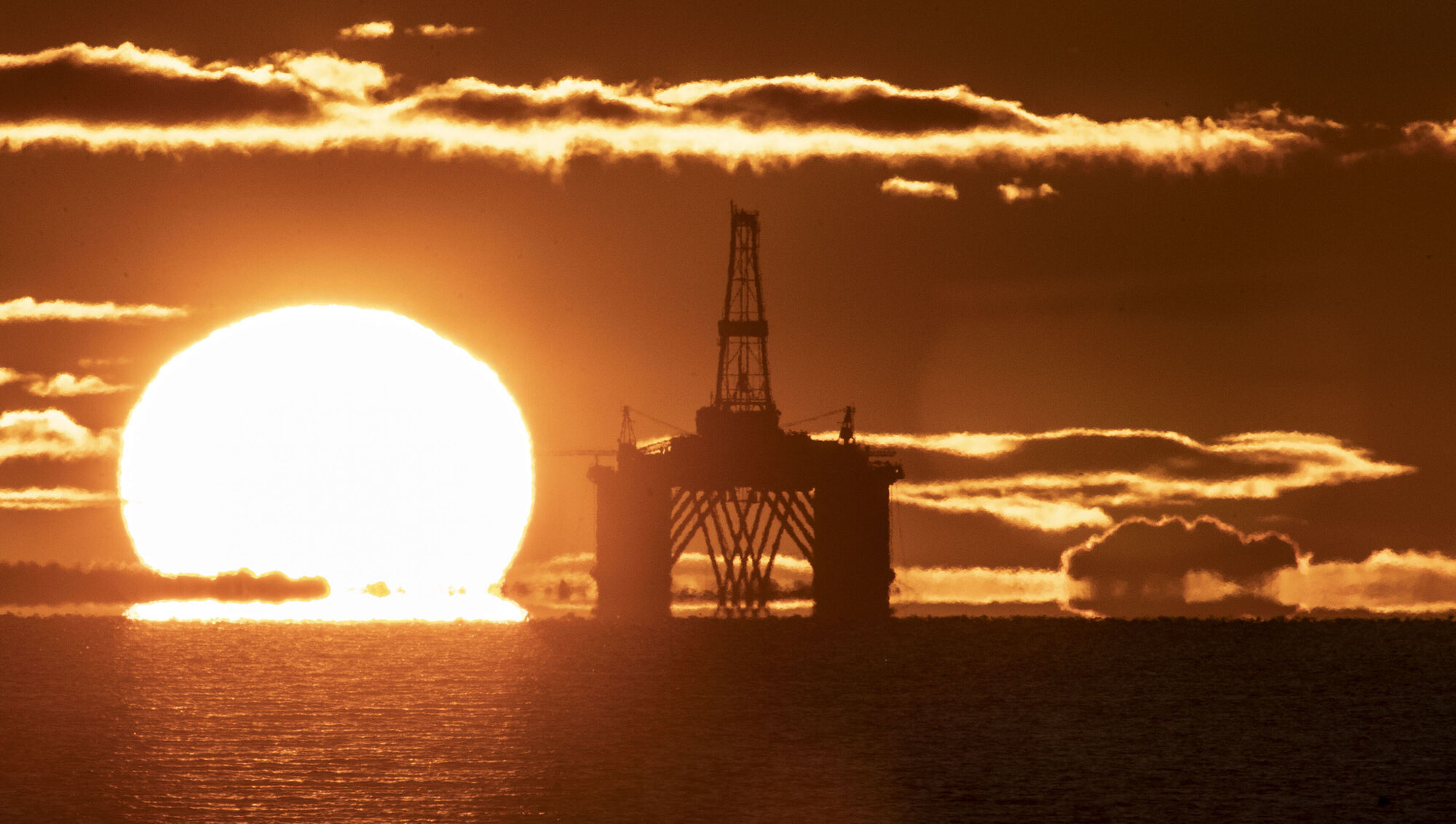
'Human activities are increasingly disrupting the natural equilibrium, and we will live with these consequences for hundreds and thousands of years,' WMO secretary-general Celeste Saulo said. File Picture: PA
Earth is being pushed “beyond its limits” and “every key climate indicator is flashing red”, the UN secretary-general has said, as data showed the last 11 years have been the hottest ever recorded.
As the impacts from climate change around the world worsen, experts at home say it is “only a matter of time” before the circumstances conspire against us to bring “ extreme river and coastal flooding” to Ireland’s east coast.

The World Meteorological Association’s report said 2025 was the second or third hottest year on record, with extreme events such as intense heat, heavy rain, and tropical cyclones bring devastation and disruption to many parts of the world.
“Humanity has just endured the 11 hottest years on record,” UN secretary-general Antonio Guterres said. “When history repeats itself 11 times, it is no longer a coincidence. It is a call to act.”
The WMO’s report suggests that the Earth’s climate is being driven further out of balance than at any other time in observed history. Greenhouse gas concentrations are continuing to warm the atmosphere and ocean and melt ice.
For the first time, its report shows findings on the Earth’s “energy imbalance” — which measures the rate at which energy enters and leaves the planet’s system.
Under stable conditions, incoming energy from the sun is about the same as the energy that leaves. However, with heat-trapping greenhouse gases at their highest level in at least 800,000 years, this has been thrown off balance.
As a result, such rapid large-scale changes to the planet’s climate are having “cascading” impacts on human and natural systems. This adds to food insecurity and displacement.
“Human activities are increasingly disrupting the natural equilibrium and we will live with these consequences for hundreds and thousands of years,” WMO secretary-general Celeste Saulo said.
“On a day-to-day basis, our weather has become more extreme."
Trinity College Dublin coastal geomorphologist Iris Möller said the publication from the WMO was another reminder of how human action has already altered so many of the world’s life support systems.
She said that oceans have been absorbing much of the excess heat being generated, contributing to sea level rise.
Ms Möller said there has been no time in the past when we have built so close to the coast and in such low-lying areas where so many would be at risk.
“When our coastal waters deepen, the cost of maintaining our engineered defences to keep us safe will escalate as waves dissipate their energy less in deeper water,” she said.
“Storm Chandra in February showed us the consequences of intense rainfall on a highly modified landscape. If it had occurred during a high spring tide, the situation would have been many times worse in coastal towns and cities — including Dublin.
"The state of the global climate suggests that it is only a matter of time before we see this combination of extreme river and coastal flooding on the Irish east coast.”
Ms Möller added that we must urgently implement a range of measures to deal with this through nature-based solutions, coastal protection measures, and emergency evacuation processes, as well as radically switching away from fossil fuels.
It all comes as organisations from the Central Bank and Office for Public Works (OPW) to the Climate Change Advisory Council have all recently warned of the impact on Ireland from extreme weather events.
Last week, OPW chairman John Conlon told the Public Accounts Committee (PAC) that “it is projected that climate change will have a significant impact on flooding and flood risk in Ireland due to rising sea levels, increased rainfall in winter, more heavy rain days, and more intense storms”.
CLIMATE & SUSTAINABILITY HUB