Consumer watchdog joins growing chorus of regulators telling fashion industry to stop 'green' claims
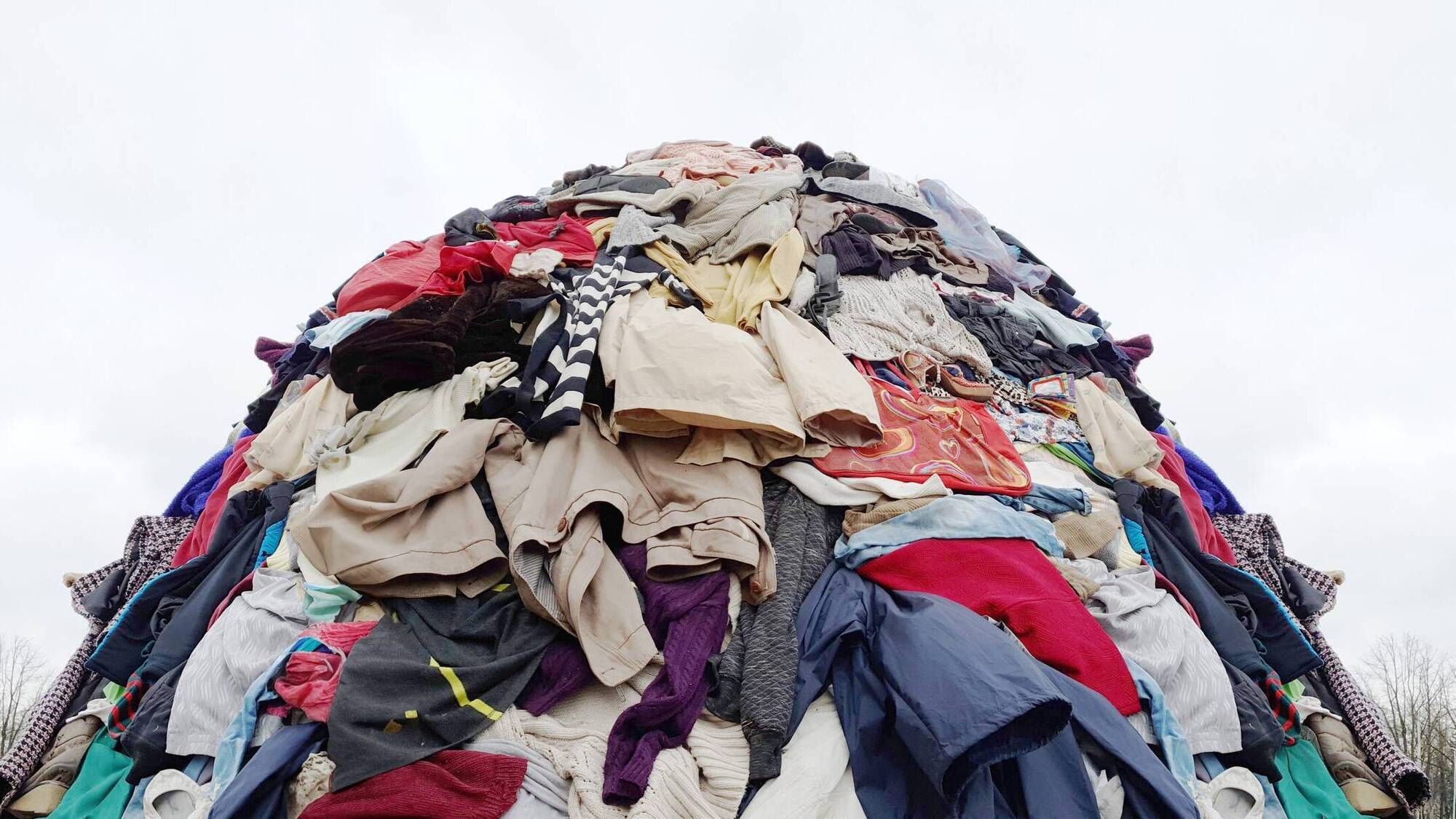
A letter co-signed by the Competition and Consumer Protection Commission said: 'The textile industry, including the fashion retail sector, is responsible for an estimated 8% of global greenhouse gas emissions and 20% of global wastewater.' File picture
Ireland’s consumer watchdog has joined other regulators to tell the fashion industry to stop claiming without evidence that their clothes are “green” or “sustainable” as it’s “unlikely to be true”.
The Competition and Consumer Protection Commission (CCPC) said that retailers should avoid vague and general terms, and not try to trick customers into thinking the products are more sustainably made than they actually are.

The kinds of fast fashion brands popular with consumers have in more recent years claimed that they are making greater efforts to sustainably source their products. Critics, however, have cast doubt on these claims.
The letter co-signed by the CCPC said: “The textile industry, including the fashion retail sector, is responsible for an estimated 8% of global greenhouse gas emissions and 20% of global wastewater.
“Giving consumers greater confidence to identify those fashion retailers that they consider to be making the greatest effort to reduce emissions will help to drive innovation and investment in more sustainable technology within the sector.”
CLIMATE & SUSTAINABILITY HUB
It told companies to ensure that any claims made are truthful, clear and accurate and to only make environmental claims when there is sufficient evidence to back it up.
It also urged brands to refrain from using implicit green claims such as images of rainforests, leaf symbols or green backgrounds as they “do not give a truthful and accurate representation of the scale of the environmental benefit".
“Refrain from using vague and general terms to describe filters or groups of products in online stores, such as ‘filter by sustainability’ or ‘sustainable product range’,” it added.
The letter also pointed out that claims made about products can be subject to consumer protection and marketing laws, with the onus on firms not to mislead consumers.
It said that “vague” claims such as an item of clothing is green or sustainable isn’t something that a fashion brand should claim as the bar to actually prove this to be the case is “very high and is unlikely to be met”.
Furthermore, the letter said that marketing should focus on specific measures a trader is already taking rather than making claims about their future aspirations.
“A detailed claim about a goal relating to a particular fabric is less likely to mislead consumers than a broad, aspirational claim such as ‘we are committed to a better world’,” the CCPC said.
Clothing retailers have been called out on such “greenwashing” claims previously.
In 2023, a report from Greenpeace analysing recent claims of sustainability in the textile, garment and shoe sector found that two in five (39%) could be false or deceptive.
It said that clothes were being labelled as “recycled” even though there is no evidence to suggest they are part of a truly circular system for clothes. Greenpeace added it was a “simple truth” that “fast fashion will never be sustainable”.