More people turning to smart tech to protect their homes, says CSO
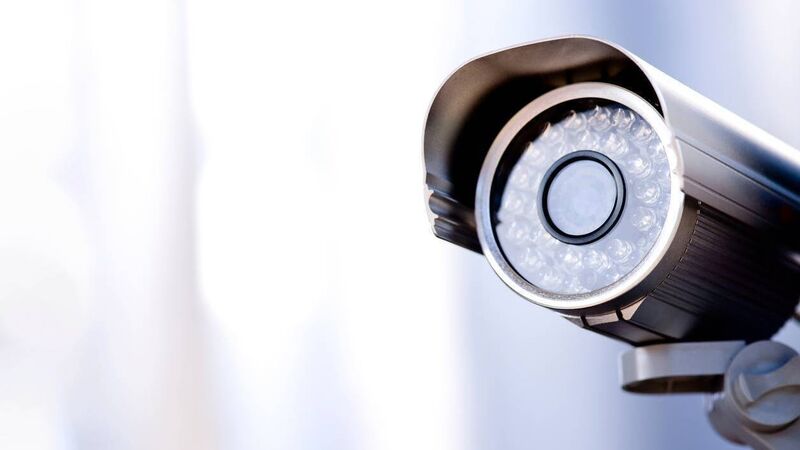
Three in 10 (30%) internet users said they had some form of smart home security system in their home that includes internet-connected home alarm systems, security cameras, connected windows or doors, floor sensors, smart doorbells. File photo
There has been a surge in people turning to smart technology to protect their homes, with the use of internet-connected home alarm systems, security cameras and doorbells almost doubling since 2022.
New research from the Central Statistics Office (CSO) found an increase in the use of various kinds of smart tech since their last survey two years ago, in everything from smart TVs and consoles to smart vacuum cleaners and lawnmowers.
For those who don’t bother with such devices, two-thirds say it’s because they’ve no need to use them while over a quarter say they have concerns around the privacy and protection of their personal data.
CSO statistician Maureen Delamere said: “As our everyday lives become more virtual, we are increasingly using the Internet of Things (IoT) to connect devices and objects to the internet as part of our daily lives, both inside and outside the home. In 2024, we asked internet users about their use of the IoT in their private lives.
“[It can be] turning on the smart lighting or heating system, or smart air fryer on the way home, using our smartphones or other devices, or monitoring our home security remotely, or using smart gas or electricity meters to manage our home energy consumption, or operating the robot vacuum using our smartphone while sitting on the couch watching our smart TV.
"We are increasingly using smart solutions, both inside and outside the home, to make our lives easier, and more at our fingertips.”
Over 60% of internet users have home internet-connected devices or systems, with 28% using energy management systems such as thermostats, smart meters for gas and electricity, smart lights and plug-ins.
Dubliners were more likely to use smart energy management systems in their homes, at 34% compared to 17% of people in the west of Ireland.
“Three in 10 (30%) internet users said they had some form of smart home security system in their home, compared with 17% in 2022,” Ms Delamere said.
“Such smart solutions include internet-connected home alarm systems, security cameras, connected windows or doors, floor sensors, smart doorbells, etc.”
Usage of smart solutions both inside and outside the home has increased in 2024https://t.co/W9xv194o1C#CSOIreland #Ireland #Internet #InternetUsage #WorkingFromHome #InternetSecurity #InternetPurchase #ICTSkills #Households #Connectivity pic.twitter.com/E1qEPmC1xp
— Central Statistics Office Ireland (@CSOIreland) October 18, 2024
Meanwhile, the use of smart home appliances inside the house, such as fridges, ovens and coffee machines, as well as outside such as smart lawn mowers and garden irrigation systems have become a more common feature of Irish homes.
Whereas just 6% of internet users said they used such devices in 2022, this proportion has more than doubled to 15%.
More than half of us (54%), meanwhile, wear devices such as a smart watch or activity tracker while 41% use a virtual assistant such as a Google Home or an Alexa.
Ms Delamere added: “When it comes to our cars, more than one in seven (15%) said they have in-car Wi-Fi or a car with built-in wireless connection, which has more than doubled since 2022 when it was 7%. Separately, 3% of people were using internet-connected toys, including robot toys, dolls, drones, etc.”
When it comes to problems with using such systems, one in eight said they experienced difficulties actually using the device such as set-up, installation, connecting it and pairing it.
A further 5% experienced problems related to privacy and protection of personal data or data security issues such as the device being hacked, the respondent’s data stolen, or someone else taking control of the device.
CONNECT WITH US TODAY



Be the first to know the latest news and updates