Key evidence summarised as Stardust inquests near long-awaited conclusion
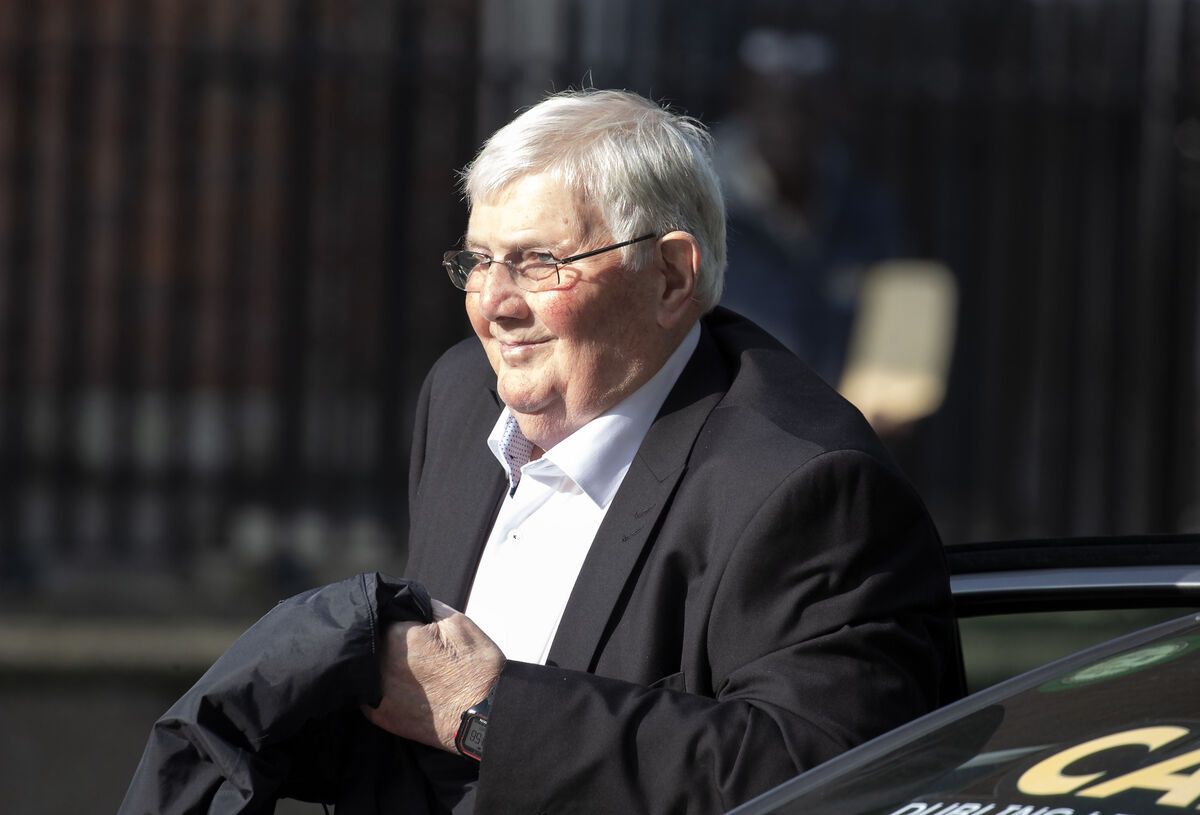
Coroner Dr Myra Cullinane said the Stardust inquests, which first sat in April 2023, have heard from 373 witnesses over the last year. Photo: Gareth Chaney/ Collins Photos
An insurer refusing to quote for fire cover, a priest unable to get through an exit, and a doorman retracting his statement saying he had unlocked the doors is just some of the key evidence being summarised as the Stardust inquests near their long-awaited conclusion.
Coroner Dr Myra Cullinane began on Friday describing the 95 days of witness evidence heard by the jury at the Stardust inquests. The inquests have almost reached their climax, with only the coroner’s summary and charge left before the jury retires to consider its verdict.
“I’ll emphasise that the evidence has been vast,” she said. “It is expected you’ll approach your task in an objective manner as you consider the facts.”
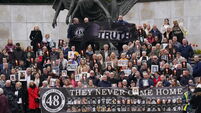
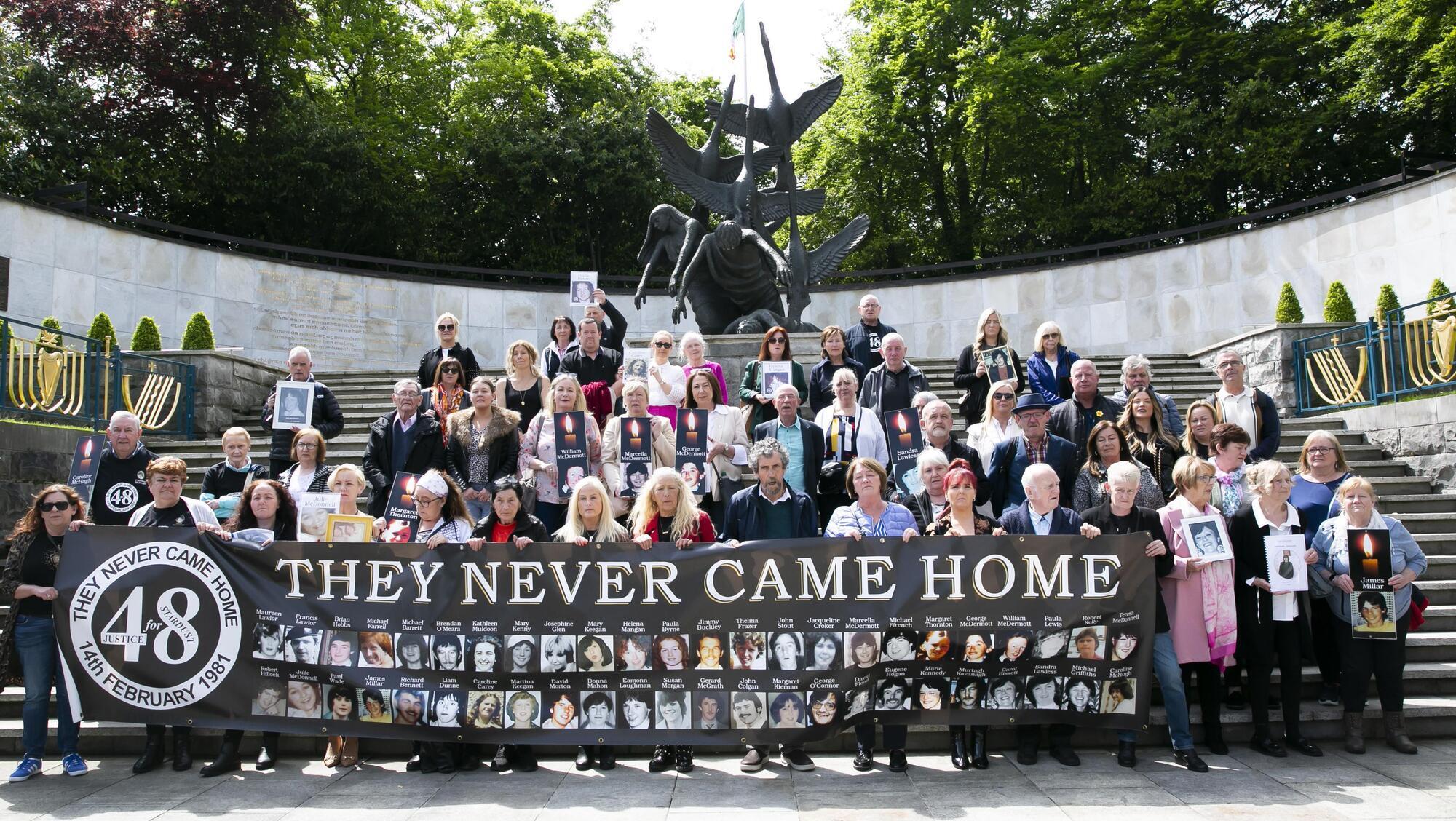
In the early hours of February 14, 1981, a devastating fire quickly swept through the Stardust nightclub in Artane, north Dublin, resulting in the deaths of 48 people.
These fresh inquests were ordered, following a sustained campaign by families of the deceased, in September 2019 after the Attorney General stated there had been an “insufficiency of inquiry” as to how the original inquests were conducted.
Dr Cullinane said the Stardust inquests, which first sat in April 2023, have heard from 373 witnesses over the last year. This is even more witnesses than was heard at the Keane Tribunal, which was set up to examine the fire in its immediate aftermath in February 1981.
These witnesses at the inquests included three forensic pathologists and three fire experts, who gave evidence at length before a 13-person jury.
“There may be discrepancies, conflicts, contradictions,” the coroner said, adding that it would be the task of the jury to either accept or reject such evidence.
Dr Cullinane began her summary of the evidence with events before the fire. This included the conversion of the former food factory into a complex that included the Stardust ballroom, the Silver Swan pub and the Lantern Rooms restaurant and function space.
She described the evidence of Richard Williams, who worked for Hibernian Insurance as an underwriter. When asked to give a quote for fire insurance at the Stardust, “he refused to quote”, the coroner said.
Witness evidence describing exit doors chained and locked in the Stardust and the Silver Swan in the months preceding the fire was also described to the jury.
Just a few days before the fire, now-retired priest Fr Dermot McCarthy was a member of the All Priests Show doing a gig at the Stardust. He went to leave around halfway through the show and there were chains and “some kind of lock” on one of the exit doors.
The priest said he tried for about five minutes to get through the doors, but was unsuccessful and went out the main exit.
Dr Cullinane summarised the evidence of Stardust manager Eamon Butterly, who was in the witness box for eight days. She recalled a statement he had given where he said the policy of keeping some doors locked while the public were on the premises had been “forced” on him by “people getting in for free”.
He also said that no staff had been trained in what to do in the event of a fire, and that he himself had no management training, but was “managing the managers” at the Stardust.
The evidence of the doormen was also pored over at length, including that of Michael Kavanagh. Having initially told gardaí and RTÉ television he had unlocked all the exits on the night, he went to gardaí a few days later to retract this statement to say he had not done so.
The inquests continue next week.
CONNECT WITH US TODAY



Be the first to know the latest news and updates