Hospital wastewater has reservoir of bacteria resistant to antibiotics
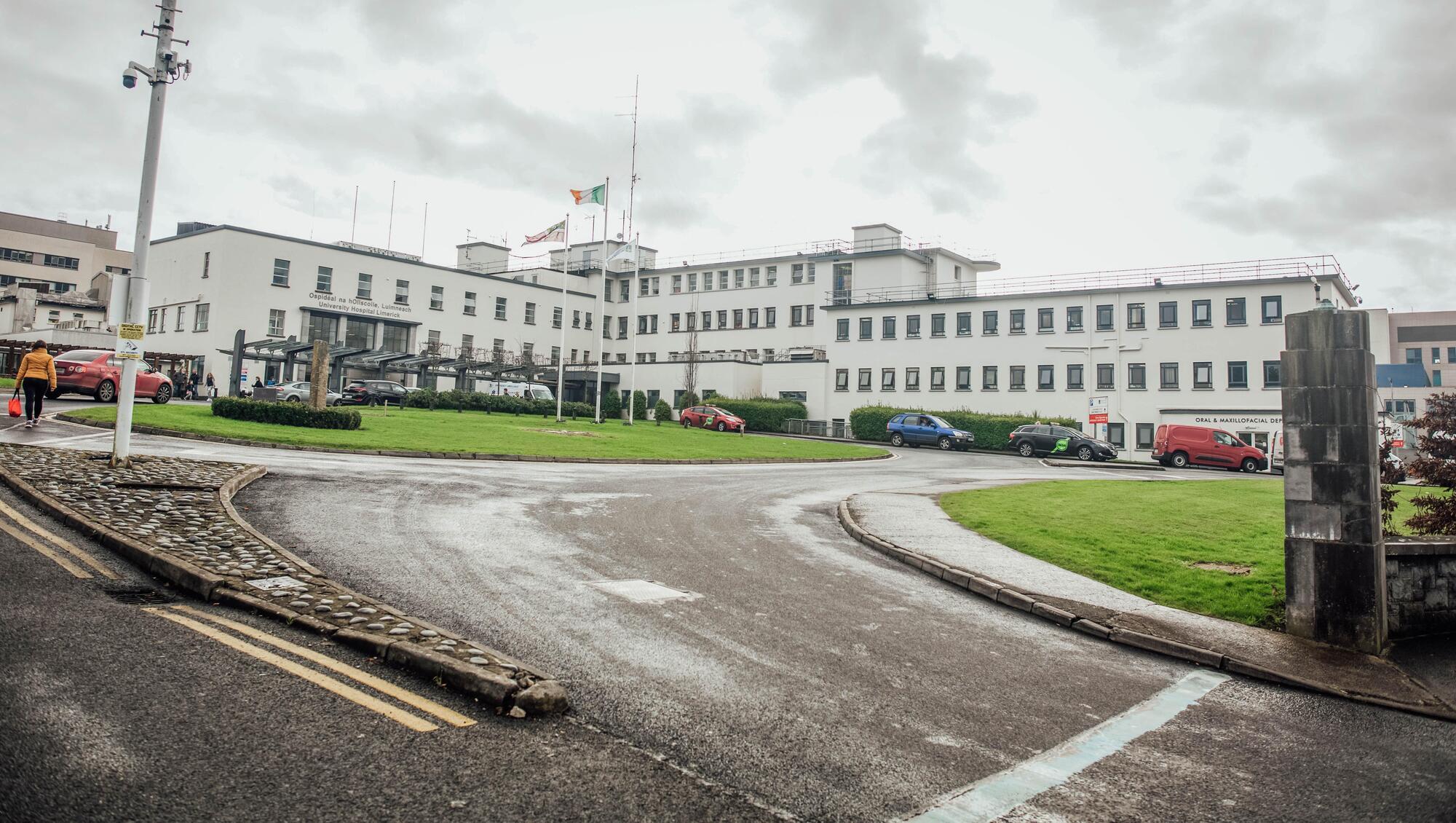
As part of the study, large-scale genomic and microbiology analysis was completed on University Hospital Limerick's wastewater system.
Potentially infectious bacteria are present in the wastewater system of one of the country's busiest hospitals, a new study has found.
Such bacteria could lead to hospital-acquired infections, the study notes.

The research, just published in the , is the first of its scale to look at wastewater and correlate what is found there with outbreaks of infection.
In partnership with University Hospital Limerick (UHL) and Queen’s University Belfast, the University of Limerick (UL) School of Medicine completed the study that involved researchers diving deep into hospital wastewater to find a reservoir of bacteria resistant to antibiotics.
Antimicrobial resistance (AMR) is a major challenge globally, affecting millions of people each year. One problem associated with AMR is hospital-acquired infection, which occurs when people who are admitted to hospital for treatment become infected by microbes circulating in the hospital wards.
As part of the study, large-scale genomic and microbiology analysis was completed on UHL’s wastewater system. This involved processing of the biofilm associated with 20 sinks, showers, and toilets from a ward that has been the location of repeated outbreaks of antibiotic-resistant bacteria. As wastewater and plumbing systems across the wards are interconnected, this creates additional challenges for hospital infection control teams.
The analysis allowed a complete picture of the bacterial communities present in the sink, shower, and toilet pipework. It also allowed profiling of all the antimicrobial resistance genes carried by the bacteria present.
By also processing samples from patients who were infected while admitted to the hospital ward, it was possible to confirm that the bacteria that infected them were very likely present in the wastewater system.
Professor Colum Dunne, senior author, said: “The risks of antimicrobial or drug resistance in hospitals are recognised widely. However, this is the first study to examine hospital wastewater at this scale, and to complete a comprehensive metagenomic profile of the bacteria that exist in the hospital pipework, while also correlating that with infection outbreaks.
“We are hugely appreciative of the openness and cooperation of hospital management and engineering, who are not only open to understanding the microbial communities resident in their water systems, but to also putting in place interventions based on this new knowledge.
“This unique study will lead to infection prevention and control improvements that will, ultimately, benefit patients who are admitted to hospital for treatment. The learnings from this are important internationally.”
The study has been published in the official journal of the Healthcare Infection Society, and the leading journal in the field of healthcare-associated infections, the .