Work of Citizens Assembly 'will be meaningless' if biodiversity laws remain unchanged
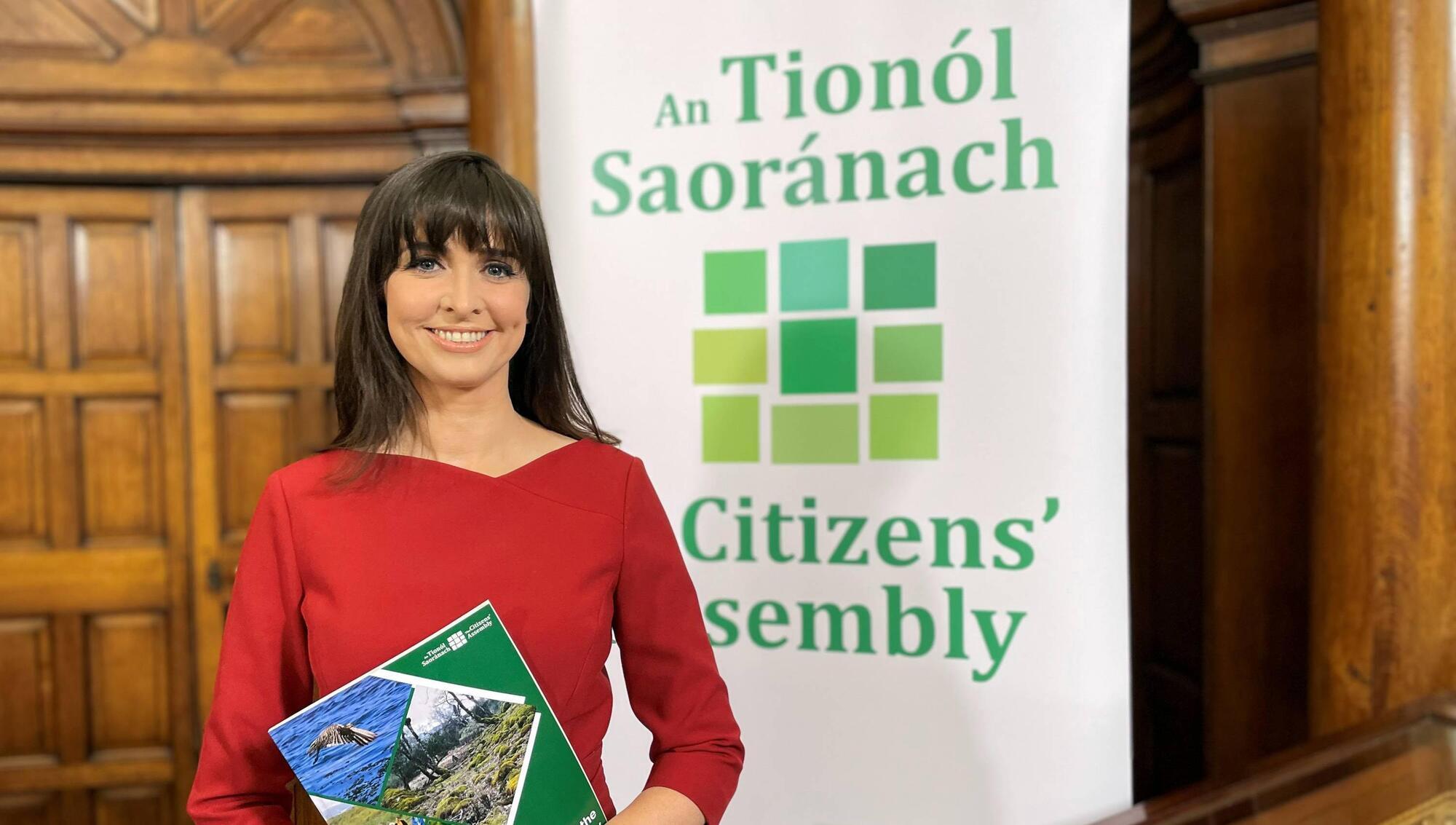
Chair of the Citizens’ Assembly on Biodiversity Loss, Dr Aoibhinn Ní Shúilleabháin, said Government and Oireachtas members "are the only ones with the capacity to take the necessary action, change national laws, and enforce current laws and regulations to protect biodiversity and the natural environment".
The chair of the Citizens Assembly on Biodiversity Loss has warned that its work will have all been for nothing if political leaders fail to act on the 150 recommendations made to protect nature.
The one-year gathering of 99 citizens became the first such assembly in the world on biodiversity loss with the views of nearly 90 experts and 600 submissions taken on board before its final report was submitted earlier this year.
Chair of the Citizens’ Assembly on Biodiversity Loss, Dr Aoibhinn Ní Shúilleabháin, briefed the Oireachtas Climate and Housing and Heritage Committees on the report that was given to Government in April. Dr Ní Shúilleabháin also addressed an information meeting open to all Oireachtas members and staff in Leinster House on Wednesday.
She said the Government and Oireachtas members "are the only ones with the capacity to take the necessary action, change national laws, and enforce current laws and regulations to protect biodiversity and the natural environment".
The State must take the lead, she added. "Ireland has an established international reputation for listening to its citizens through the assembly process model. This has been done before in other areas and we now have an opportunity to do likewise given this was the first Citizens’ Assembly on Biodiversity Loss anywhere in the world.
CLIMATE & SUSTAINABILITY HUB
“That is something we should be proud of, but it will be meaningless if it does not deliver real change," she said.
It comes at a highly contentious time for the future of biodiversity in Europe. Despite more than 3,000 scientists urging European politicians to pass the European Commission's nature restoration proposal, the most comprehensive overhaul of biodiversity protection in the bloc for three decades hangs in the balance.
Dozens of the 3,000 scientists hitting out at what they call "misinformation" around the nature restoration proposal are Irish academics from the likes of University College Cork (UCC), Trinity (TCD), University of Limerick (UL), University College Dublin (UCD, and Dublin City University (DCU).
The Nature Restoration Law proposed by the European Commission aims to restore at least 20% of the EU’s damaged land and sea areas by 2030, and all ecosystems by 2050. More than 80% of protected habitats across the EU are in a bad state, according to the European Environment Agency, with a combined area about half the size of Spain in need of restoration.
After the European Parliament's environmental committee 44-44 stalemate vote earlier this month, a rerun produced the exact same result on Tuesday. It will now go to a full vote of the 705 MEPs in the week beginning July 10, but will likely mean some politicians will have to cross party grouping lines to vote in favour.
The European People's Party (EPP), of which Fine Gael is a member, walked out of negotiations earlier this month, claiming the proposals would impact farming and food production negatively, which supporters of the proposal say is a red herring.
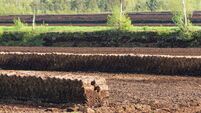
Taoiseach Leo Varadkar's position that it "goes too far" is in direct contradiction to the Fianna Fáil TD and Agriculture Minister Charlie McConalogue and Green Party leader and Environment Minister Eamon Ryan, who have accused those in opposition as "scaremongering" around the rewetting of peatlands.
CONNECT WITH US TODAY



Be the first to know the latest news and updates