'The lotto had been won... my parents were both in the syndicate. There was no mention of leaving college'
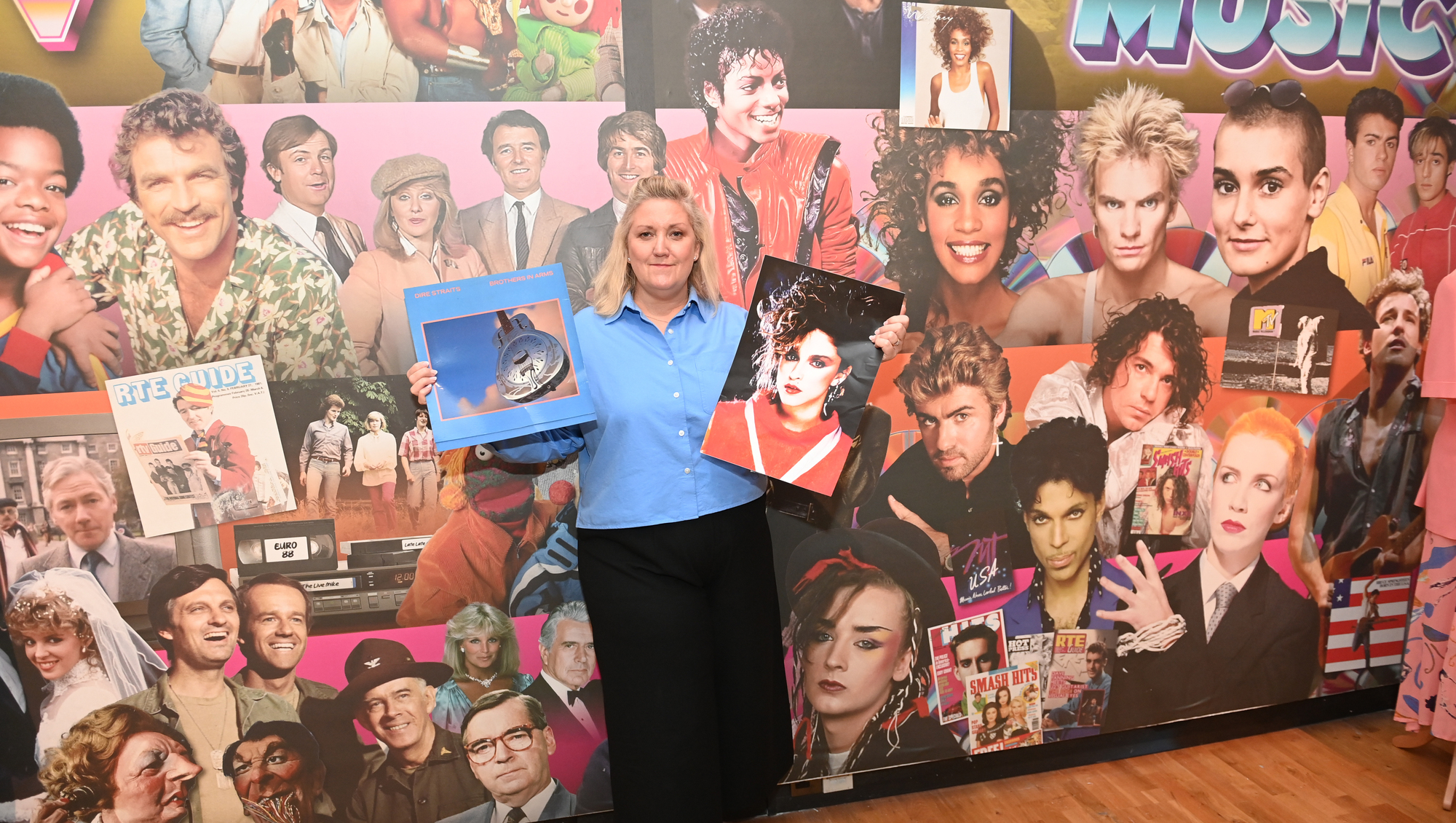
What Difference a Day Makes... Marie McMahon at the Tipperary Museum of Hidden History in Clonmel. Marie McMahon's parents were in a syndicate that won the lotto back in the early 90s — it meant she could afford continue her expensive fashion design course. Pictures: Larry Cummins
In the early 1990s, I was 21, studying fashion in Limerick College of Art & Design. I’d done art outside of school — and a portfolio course in art and design after Leaving Cert. I was always fiercely determined.
I was also hugely into athletics. In my mid-teens, I was very involved in Clonmel Athletics Club, I’d won an all-Ireland championship medal in the pentathlon. I dreamed of being in the Olympics. At college, it was difficult to continue that level of intense training.

On the fashion course, we’d sometimes work all through the night. In the evenings coming up to end-of-term exams, we’d have to design a collection. You could be up three nights in a row getting the garments done. I was also working at weekends, in Dunnes, in my uncle’s corner shop. I just couldn’t get to athletics training.
I loved textiles, the feeling of them, how you could manipulate them to create different textures and tones. Textures in the environment spoke to me. Certain patterns on sand, river, sea from the wind would inspire my work.
The three-year course I was doing was very expensive, every project based around samples and fabrics — you had to buy fabrics, accessories, trims. Designing a collection, you had to base it on a colour palette — each colour Pantone marker was £5 at the time. Books for a year cost £150. It just didn’t stop.
You needed your own sewing and knitting machines — without them you couldn’t continue the work at home in the evening. You could stay in college for a while but the number of sewing machines was limited.
It was difficult asking for money at home all the time. A few times over a couple of weekends, it was said "It’s really expensive, maybe you could do another course". There was no huge conversation about it, but I became very nervous about it, as to what I’d do if I didn’t do fashion. I don’t blame my parents, they didn’t want to be saying this.
I didn’t want to let anyone down. I wanted to achieve what I’d set out to do but I also knew the burdens at home. And fashion seemed very fanciful, a lot of my friends did arts. A very tangible, direct line to employment — they became teachers.
I knew from very young that work — getting where I wanted — was never going to be a straight line for me. And I’m a big advocate of having to go left, then up, then down, then over... learning’s never wasted.
So it was an uncertain time, that second year going into third year. I put it to the back of my mind — I had to continue my projects. I adapted my designs so I didn’t have to buy as much fabric. My colour palette would be three max to keep costs down.
One weekend, I phoned home as usual before getting the bus from Limerick to Clonmel. Mam said they wouldn’t be able to collect me, she said that when I arrived I should get a taxi to where they’d be... a local pub. We didn’t get taxis! The whole journey home I was thinking 'is somebody dead?'.

They were with a group having dinner. When they saw me they all put down their forks. They were smiling, and said they’d won the lottery. I didn’t believe it. I was like ‘for God’s sake! Are you joking?!’ Dad worked for The Nationalist newspaper in Clonmel, they had a lottery syndicate. He said ‘no, we’ve won it’. The top prize, £1m had been won — there were two winners. It wasn’t huge after it was halved and divided among 20-plus people, but my parents were both in the syndicate so it was double for them. It was a lot of money then.
I was totally shocked, delighted for them. They were all so happy. They’d all worked together for years, very down-to-earth lovely people. It was going to make a difference to them all. I was just pure delighted to be in the middle of all the excitement.
When we went home, I said ‘will ye buy us something out of it?’. They said they would, I left it at that. I went back a bit later — "I could do with a knitting machine, and a sewing machine." They said: "I’m sure we could do that for you." I said we didn’t need to buy them new, we could get second-hand, and we did.
There was no mention anymore of leaving college. I knew if they bought these, I’d secured my future college years. I didn’t want to outright say: "Am I going back to college?" I didn’t tempt it, there was no need for an extended conversation.
I was really grateful to them for supporting me through it. I’m a firm believer that once you try your best, work hard and are committed, there’s nothing you can’t achieve. And I think you can manifest things in your life. For me, manifestation is setting myself a goal, being very positive about it — and good luck could happen to you.
Looking back, I think how fortunate I was, blessed even.
- Marie McMahon is curator of Tipperary Museum of Hidden History. One of her ongoing projects is Hands of Heritage, which celebrates and aims to revive traditional Irish craft skills, such as stonewall building and willow craft. The programme offers a mix of hands-on learning, intergenerational exchange and creative expression