More than 80% of EU's protected habitats in poor state
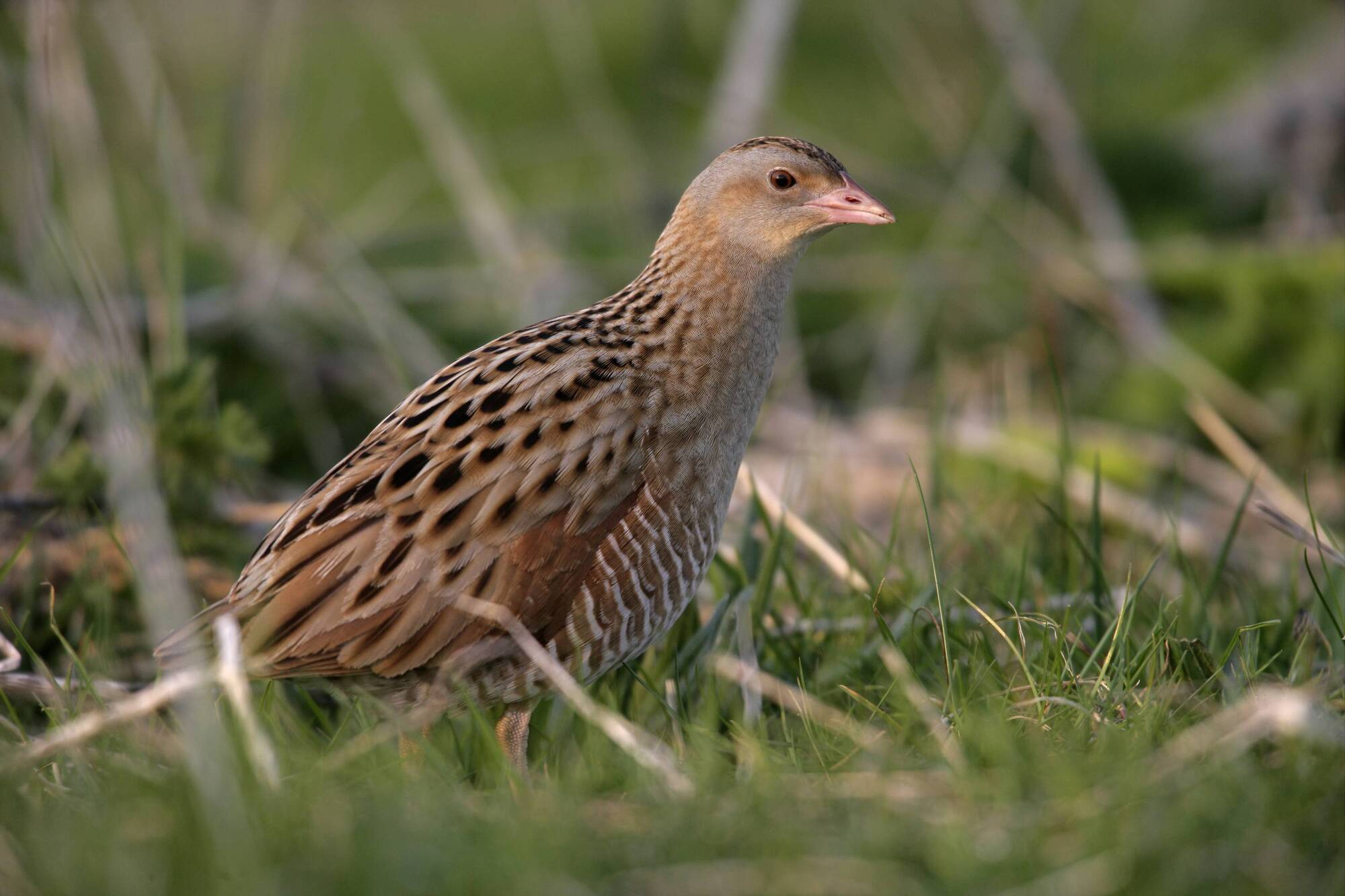
According to the EEA's latest briefing, some 81% of protected habitats, 39% of protected birds, and 63% of other protected species are in a poor or bad state.
More than 80% of protected habitats across the EU are in a bad state, with a combined area around half the size of Spain in need of restoration.
The European Environment Agency (EEA) said nature is becoming increasingly stressed across Europe because of a lack of ecosystem restoration combined with human pressures such as pollution, land degradation and resource overuse.
The EU's Habitats Directive aims to protect more than a thousand species, including mammals, reptiles, amphibians, fish invertebrates, and plants, and 230 characteristic habitat types, aimed at ensuring such species and habitat types are maintained or restored to a favourable conservation status.
However, according to the EEA's latest briefing, some 81% of protected habitats, 39% of protected birds, and 63% of other protected species are in a poor or bad state. Only a very small fraction of these has shown any improvement over recent years, it said.
"While protected areas make up 26% of land and 12% of sea area in the EU, these alone have not been sufficient enough to reverse nature’s decline.
CLIMATE & SUSTAINABILITY HUB
"They are often isolated and insufficiently resourced and managed, and some do not provide full protection to nature."
In Europe, it is estimated that the area of protected habitats in need of restoration is at least 259,000 km2, around half the size of terrestrial Spain, the EEA said.
At the UN's Cop15 global biodiversity summit last December in Canada, 196 countries and blocs agreed to the Kunming-Montreal Global Biodiversity Framework, which includes the target to restore at least 30% of degraded ecosystems by 2030, while the European Commission also published a proposal for a new EU Nature Restoration Law last year.
Ireland's Citizens Assembly on Biodiversity's report last month called for "prompt, decisive and urgent action to address biodiversity loss and restoration" and said leadership must be provided in protecting Ireland’s biodiversity for future generations.
The Assembly said the State "has comprehensively failed to adequately fund, implement and enforce existing national legislation, national policies, EU biodiversity-related laws and directives related to biodiversity" as it called for change.
In 2019, the National Parks and Wildlife Service released Ireland's sixth national report to the UN Convention on Biological Diversity, with stark findings that 91% of protected habitats are in poor or inadequate condition, and more than 50% are declining. Some 14% of species assessed are considered to be endangered, it said.
Ireland has come under fire from the European Commission over biodiversity failures in recent years, with cases being referred to the European Court of Justice.
Under the Habitats Directive, EU member states must designate special areas of conservation (SAC), with specific conservation objectives. Ireland failed to do so within five years, resulting in the Commission taking action in 2020.