Kinahan gang leaders will likely be arrested abroad – Drew Harris
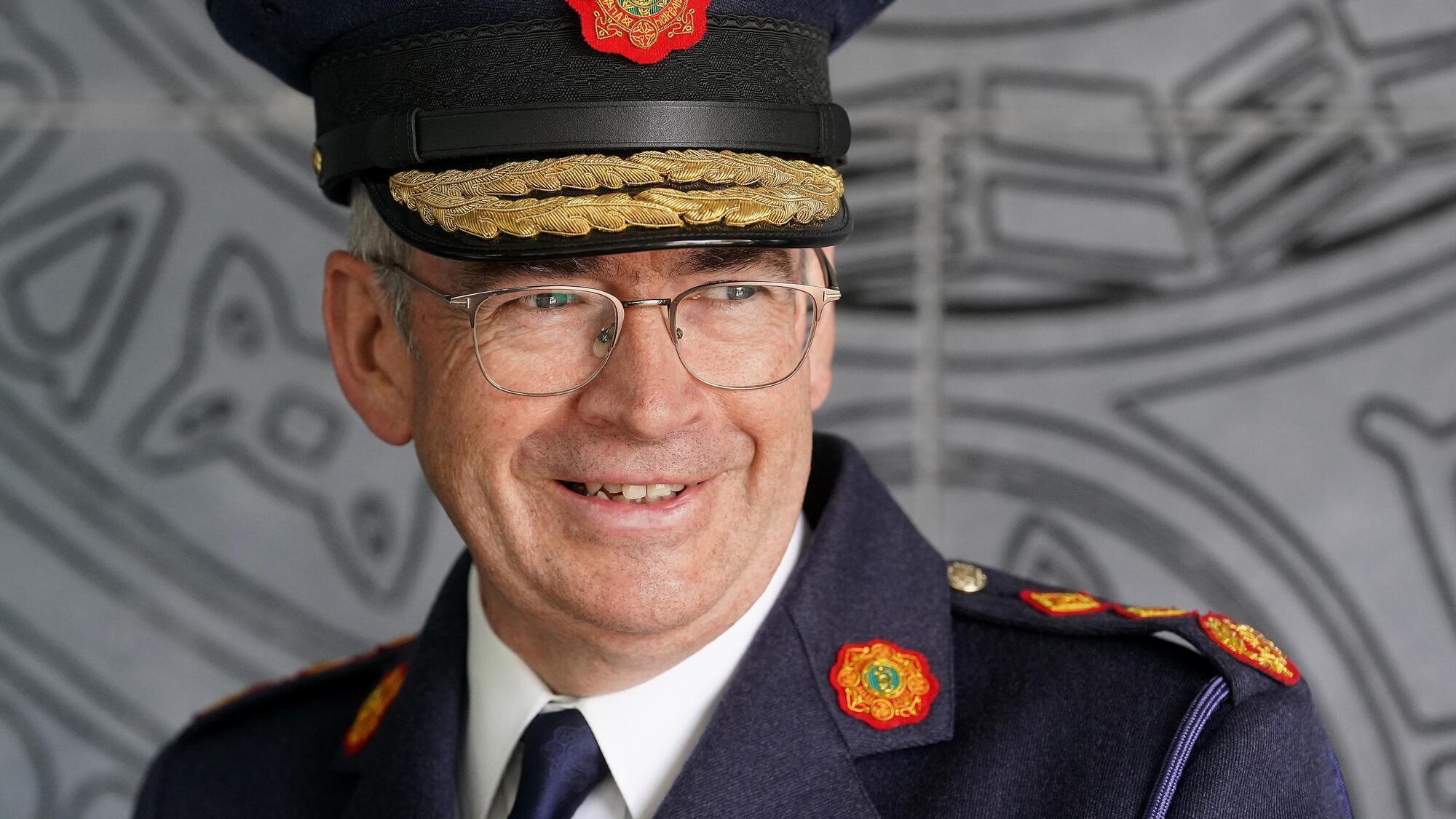
Addressing a lunch hosted by the Association of European Journalists, Drew Harris said: 'I think it’s more likely that international law enforcement will bring them to book.' File picture: Brian Lawless/PA
"I think it’s more likely that international law enforcement will bring them to book," he said.
"And that’s fair enough, that somebody brings them to book somewhere.
“Whenever you engage with people internationally, you just have to set aside any sort of selfish regard, it doesn’t really matter. All things balance out and you’ll get your own success in time.”
He said he and his officers have to think “what’s our best percentage chance” of bringing down the Kinahans.
“The best percentages are probably with international law enforcement. It’s probably in respect of flows of cash, the illicit movement of money, illicit business transactions, and drug trafficking,” he said.
In April, US law enforcement offered $5m for information on the Kinahan gang or for the arrest and conviction of its leaders.
Mr Harris’ comments come as another gangland figure, Gerry ‘The Monk’ Hutch, goes on trial on Monday for the killing of David Byrne, 34, at Dublin’s Regency Hotel on February 5, 2016.
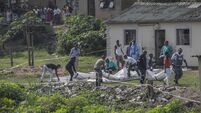
Meanwhile, Mr Harris acknowledged that his Garda force is “very tired” in the wake of Covid-19 and has endured a “grim eight weeks” between the ramming of Garda vehicles and dealing with the Creeslough tragedy in Donegal.
He highlighted real dangers for the reputation of policing during the pandemic when gardaí were tasked with enforcing restrictions on people’s movements and behaviour.
“There’s the risk of loss of public confidence,” he said. “Obviously, there was a real risk around being seen to apply a very austere and very rigid, rigorous law enforcement process and it really constrained people’s human rights,” he said.
Covid-19 forced more crime online and led to a dramatic surge in domestic violence, with the increased demands forcing the cancellation of annual leave for many officers.
He warned that while gardaí have never had more vehicles and a mandate to increase its numbers to 15,000 next year — from 14,300 now — such increases are not sufficient to meet the needs of the public.
“There is difficulty just getting the recruitment momentum going again,” he conceded.
Mr Harris said Dublin City Centre “is not looking too well at the moment” and that from Friday evenings to Monday mornings, his officers are the only State force present to manage increasingly acute mental health problems, which he described as “far from ideal”.
He also said it “really annoys him” that pending oversight legislation will treat garda officers as second-class citizens.
Garda officers will not be informed if a complaint against them is a criminal charge or one of misconduct. He said:
The Garda Commissioner has also argued there are too many oversight bodies, saying he will have to answer to at least four oversight groups now, including the Minister for Justice, whereas it was previously just two bodies.
CONNECT WITH US TODAY



Be the first to know the latest news and updates