Q&A: What is the new vaccine priority list and why the anger over it?
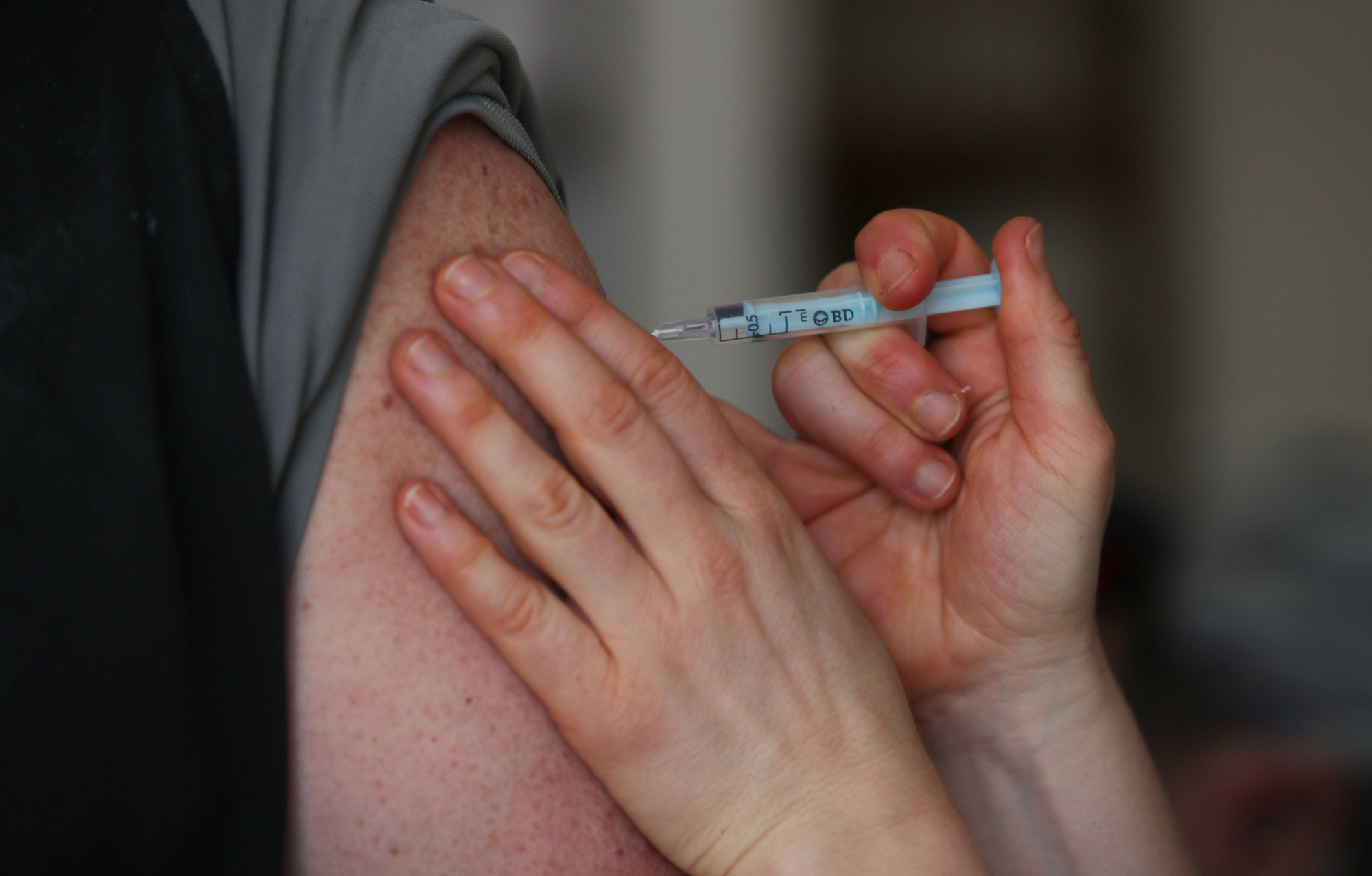
The priority list has been changed to an "age-based model". File picture
Changes to the vaccine priority list announced by the Government have been criticised in some corners.
The changes were announced on Tuesday as the Government announced a plan for the easing of restrictions from April 5.
It will see the priority list move to an “age-based model”.
Here we look at what the changes to the priority list are, why they have been changed and what the reaction has been.
The new list has nine cohorts, compared to the previous 14.
The first four cohorts have remained largely the same.
They include people who are aged 65 years and older who are residents of long-term care facilities, frontline healthcare workers, the over-70s and people aged between 16 and 69 with a medical condition who are at high risk.
Cohort 5 and 6 deal with people in the 65-69 age range who have an underlying condition or are key workers “essential to the vaccine programme.
Cohort 7 and 8 are for people aged between 16 to 64 who have an underlying health condition or are residents of long-term care facilities.
The final cohort is for people aged 64 years and younger, and people aged 16-64 living or working in crowded settings. They will be vaccinated based on age.

Efficiency and to best achieve the programme’s objectives "of preventing serious illness, hospitalisation and death”, according to the Department of Health.
It says that the new strategy is based on “clinical, scientific and ethical frameworks” produced by the National Immunisation Advisory Committee (NIAC) and the Department.
Minister for Health Stephen Donnelly said: “The move to an allocation strategy focused largely on clinical risk – that is age and medical conditions - makes Ireland’s vaccination programme more efficient, more transparent and fairer.
"We have the benefit of learning from our own experience over the past three months, and what has been shown to be most effective internationally.
“It means for the first time that we can give better information to the very reasonable question ‘when will I be vaccinated?’."
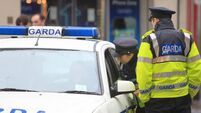
Teachers and gardaí have hit out at the changes because it means younger members of these professions have been bumped down the list.
The president of the Garda Representative Association (GRA) said the decision “downgraded” the work of gardaí.
Frank Thornton said today that the decision ignores the risk involved in policing the pandemic adding that concerns over health and safety have never been as high.
“Members of An Garda Siochana should be categorised with other frontline workers including those in health care given our unique role in the fight against Covid.”
Mr Thornton said that the treatment of gardaí is “shocking” and that they “will not forget the way we have been treated during this crisis”.
He added: “We are the second pillar of the response to the pandemic and we are now being told that we are no more at risk than someone who can work from home.”

Teachers have also hit out at the changes with one union saying it is “shocked and dismayed”.
The Association of Secondary Teachers in Ireland (ASTI) said that the decision is “totally at odds” with the Government’s plan to keep schools open and that it “undermines this objective”.
The Irish National Teachers' Organisation (INTO) said that the decision abandons “carefully considered priority groups who are working on the frontline”.
John Boyne, the union’s general secretary, said: “For months now we have heard the government say, time after time, that education is the top priority for government. How then can teachers be treated with such blatant disregard as frontline education workers?"
The Taoiseach defended the decision saying it would simplify and accelerate the vaccination programme.
"We know that the older you are, the more vulnerable you are to illness and mortality," said Micheál Martin.
“So it's fairer in that respect. It doesn't distinguish between one profession versus another."
Tánaiste Leo Varadkar told RTÉ’s Prime Time “We’re going with the science. And we’re going with the medicine on this.
“Say if [you have] a 35-year-old garda or a 35-year-old teacher. Are they at more risk or less risk than a 60-year-old factory worker or a 60-year-old retail worker?
“It’s actually the 60-year-old.”

The Minister for Finance said that change means the vaccine roll-out will be more efficient.
“The advice that we have at the moment is crystal clear to the government, with the quantity of vaccines that we have available in the run-up to the summer, if we're looking to vaccinate as many people as possible, the most efficient way of doing it, is on the basis of age,” said Paschal Donohoe.
The Department of Health says that it expects to administer three million doses in April, May and June.
It stated that “four in five adults having received at least one dose of vaccine by the end of June”.
The vaccination of people in the first four cohorts of the plan is currently underway.
As of March 27, 802,502 doses of the vaccine have been administered.
Some 577,641 people have received their first dose, while 224,861 people have got their second jab.