Is Kerry finally turning a corner on housing after years of under-delivery?
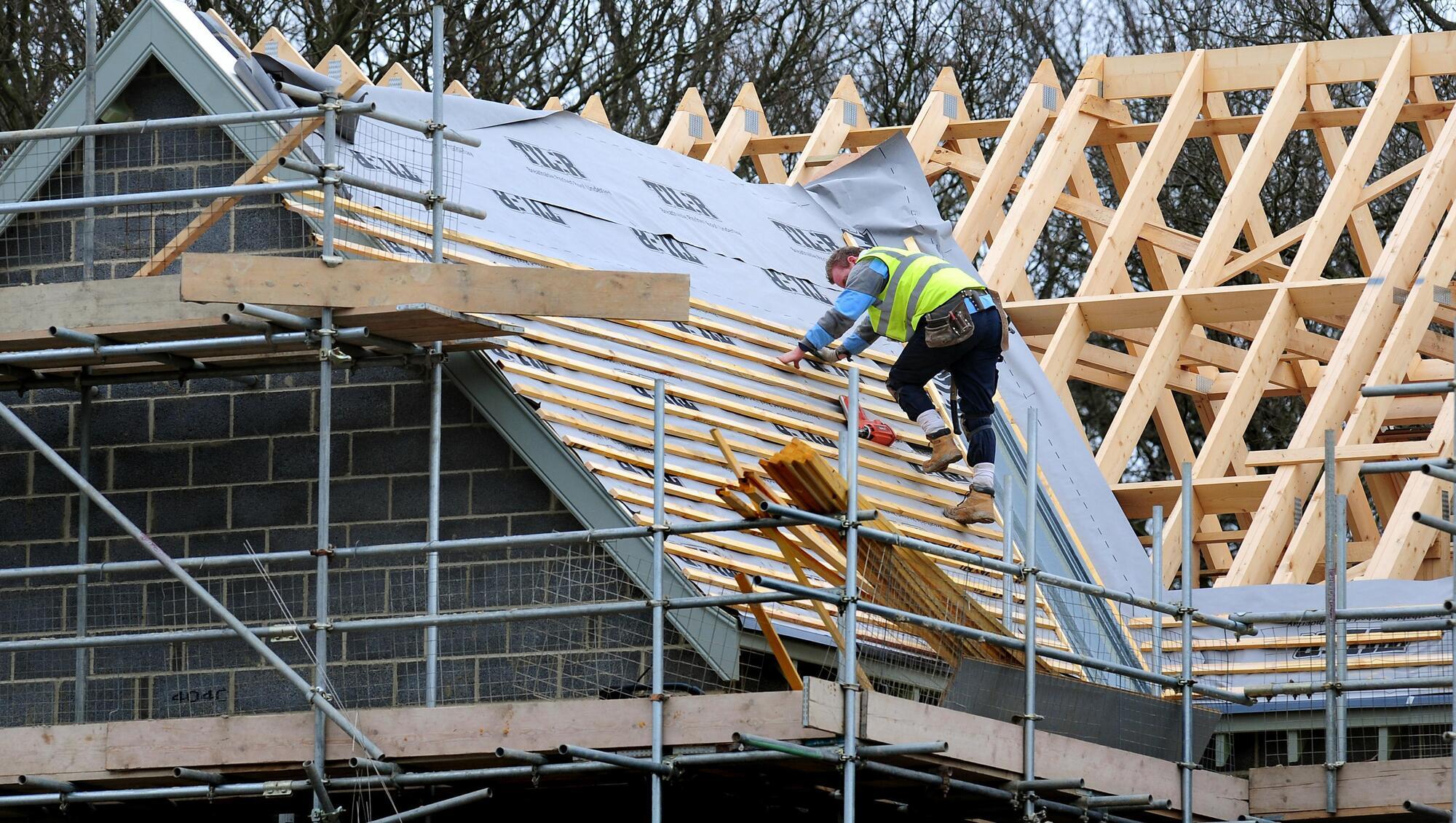
In Celtic Tiger days, housing estates were sanctioned miles from villages, without a footpath or a light: You name it, Kerry allowed it — much of it for sites and for the second home and holiday let market. File photo
Is Kerry finally turning the corner when it comes to housing?
To date, the county has been bottom of the class when it comes to the provision of social, private and affordable housing. But new foundation stones are being laid, and 2026 may well see it turn a corner, successive council meetings have been told.
One of the last remaining ghost estates in Co Kerry could finally have its doors unlocked; affordable housing schemes look set to be rolled out for the first time. And Kerry County Council is finally getting “to the other side of the voids” — tackling the huge backlog since covid of empty social houses which need repair.
Just last month not a single void was left in Corca Dhuibhne and only three remained in Castleisland.
Kerry has struggled with housing delivery since the Celtic Tiger when enough land was zoned for six times the county's housing need.
During that hedonistic time, council meetings often ran for days, with councillors eager to push through individual plannings contrary to the zonings.
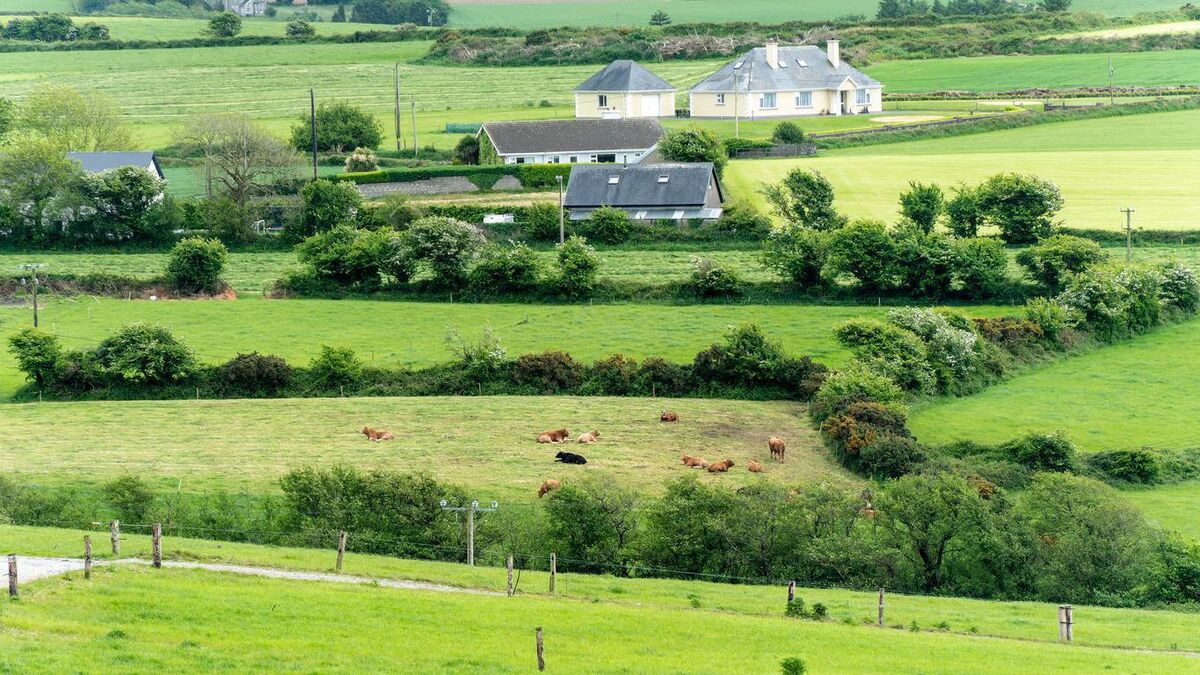
Approvals were often granted in the most scenic and fragile of areas. In coastal areas. Land in urban areas which was prone to flooding.
Whole housing estates were sanctioned miles from villages, without a footpath or a light: You name it, Kerry allowed it — much of it for sites and for the second home and holiday let market.
The figures are there to prove it.
Between 2002 and 2007, some 7,600 one-off houses were built in the Kerry countryside. Enough land was zoned for 61,000 housing units when what was needed was around 11,000. Drastic — critics would say too drastic — de-zonings followed.
However, the resulting conservative approach of the past decade in Kerry, under the scrutiny of the Office of the Planning Regulator, as well as by council management itself, means very little has been built.
There hasn’t been a single affordable housing scheme rolled out in towns like Tralee and Killarney, with Kerry councillors looking enviously over the wall at neighbouring Cork where around 400 such schemes have been built.
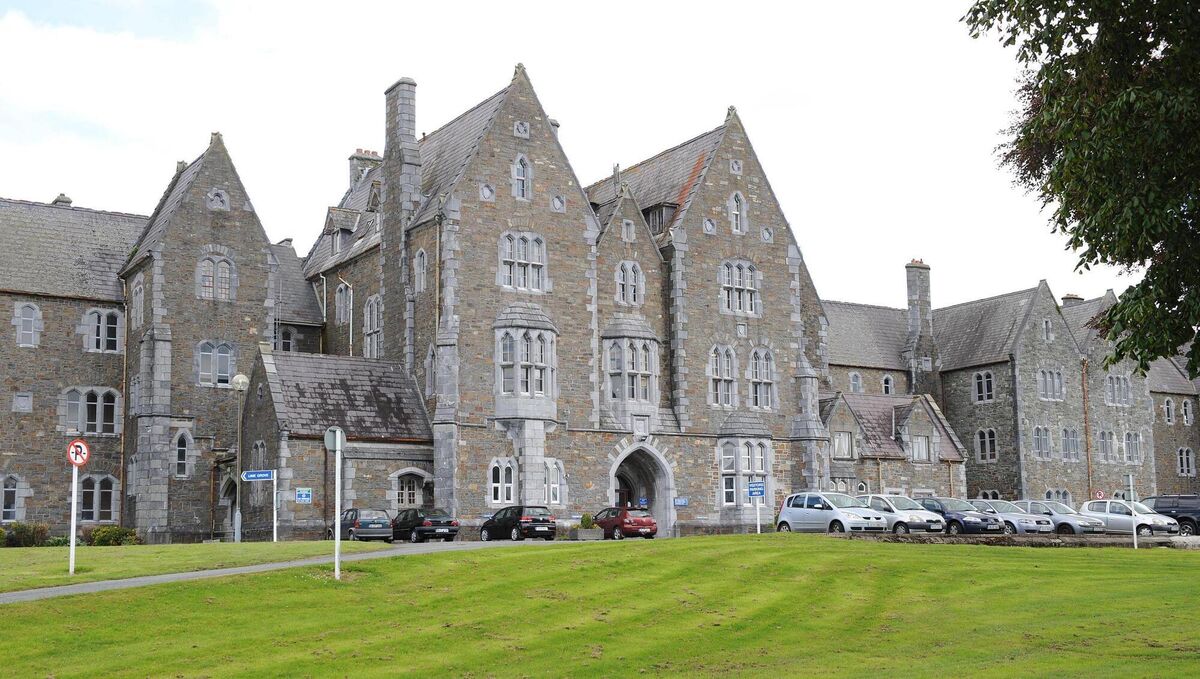
Huge HSE-owned landbanks and properties like St Finan’s Hospital and Dingle Hospital remain idle, while workers with no place to live commute hours to Killarney and Tralee.
With modest new houses in towns such as Killarney commanding price tags of more than €500,000, there is little chance of first-time buyers or young families getting on the property ladder in Kerry without State support, countless meetings have heard.
However, chief executive of Kerry County Council, Fearghal Reidy, and housing director Niamh O’Sullivan told the November meeting of Kerry County Council that affordable housing is now on the cards.
“The initial phase of the scheme will invite proposals for Tralee and Killarney," they said.
Cluster developments, ideal for smaller villages such as Asdee and Tuosist, will now also be allowed, Fine Gael councillor Tommy Griffin was told.
The building of such developments is being helped by new central Government wastewater infrastructure provisions which will allow developers to build their own plants while waiting for public schemes.
Another help is the availability of vacant homes refurbishment grants. So far 108 grants — the standard grant is for is €50,000 — have been paid out to the tune of almost €5.9m, councillor Jackie Healy-Rae was told after submitting a motion on the issue.
Another 400 applications have been approved, with grants of more than €22.5m set to be distributed in 2026.
“If you take every house has an average of three people, there’s a phenomenal effect. This scheme is working,” said Mr Healy-Rae.
"We need to do more to promote this.”
Social housing approved applications stand at over 2,300, and 2026 will see 320 social homes delivered, mainly by approved housing bodies. The council deals with as many as 26 approved housing bodies.
Social housing construction and maintenance of social houses “continues to be a priority”, council CEO Fearghal Reidy said. Housing in 2026 will account for 28% of the council's budget, the greatest single share of the €248m total.
But despite the multi-pronged approach, not everything is rosy in the garden. Private housing remains the great challenge in Kerry.
Just 19 houses were being delivered under Part V legislation by year end — the legislation that decrees that up to 20% of private housing developments are allocated for social or affordable housing. This is because there is such little private development in Kerry, partly due to planning and zoning restrictions.
And while the crackdown on short-term lets and the looming changes to letting has seen some property released for sale, there is no great supply of private housing.
Large schemes such as what was expected to be a private 200-home development, Cronin’s Wood in Killarney, have been bought for 100% social housing. The concentration as well as clustering of social-only housing is something that has attracted concern at council meetings.
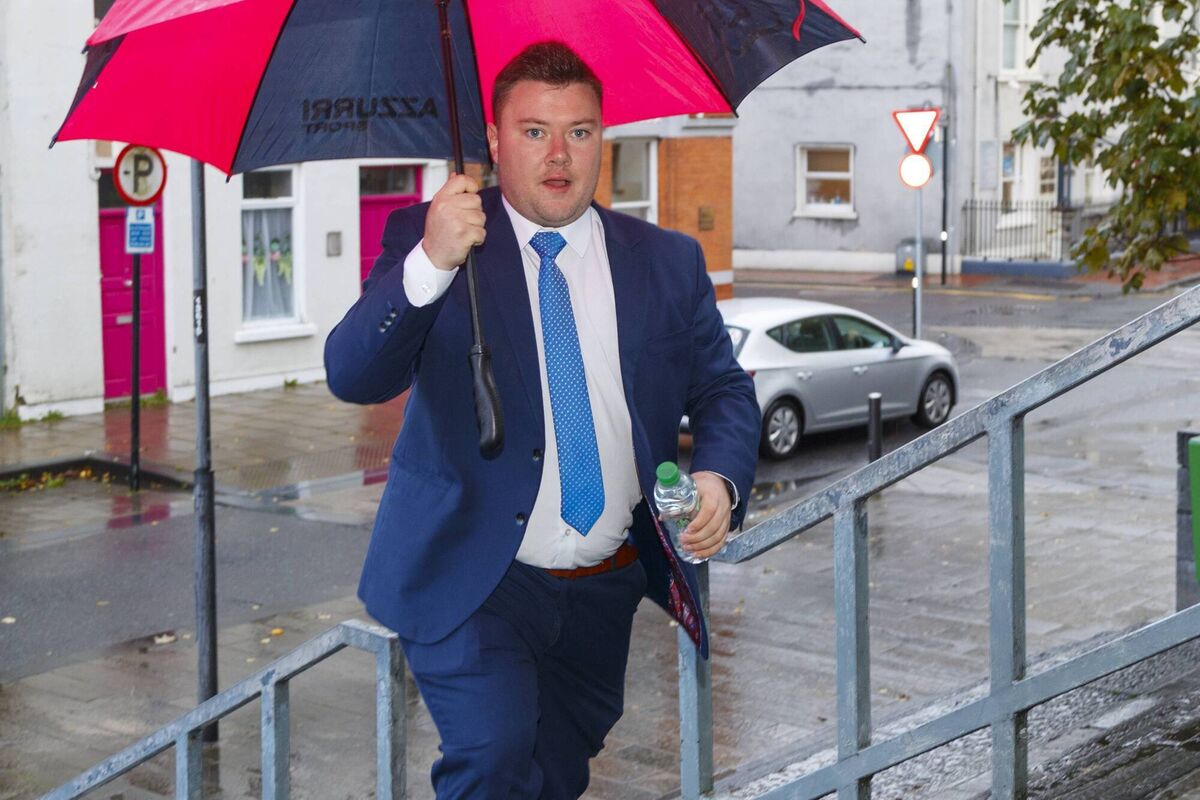
Mid Kerry Fine Gael councillor Tommy Griffin said: “The focus needs to shift. It’s the affordable stuff that needs to be delivered now.”
He has used Annagh Banks in Castlemaine on the road to Dingle as an example of where the council could move. It is one of the last remaining ghost estates, once held up as an example of the Celtic Tiger planning debacle by former environment minister John Gormley.
The 14 houses would be ideal for affordable housing and around half of them are fully fitted out.
“They are as dry as you can get.. It’s a crying shame to see them empty." Mr Griffin said.
Part of a hotel complex, abandoned shortly before the 2008 crash, it changed hands a number of times. The new owner was granted planning permission to retain the existing works, and finish the houses. It would be ideal for affordable or for social housing, Mr Griffin said in a motion tabled at the most recent Castleisland-Corca Dhuibhne MD meeting.
“The corner in housing is being turned, yes,” he told the .
The exemption from development levies for housing estates bought for social housing also needs to be looked at, Mr Griffin said.
In just two housing developments in Milltown bought for social housing, more than €250,000 has been refunded by the council to the developer. Milltown is the fastest-growing town in Kerry, but services such as lighting are lacking.
He said the development contribution waiver should be examined.
“The policy is costing small villages and small towns,” he said.
Meanwhile, in Kenmare, around 160 houses in the planning process are under threat. A longstanding wastewater problem has been resolved, and land zoned at last for houses — but the issue of drinking water remains.
More than €40m had been spent in Kenmare on wastewater and other water infrastructure, “and we can’t build a house”, Johnny Healy-Rae said.
Developers are being encouraged to find their own water sources and treat the water — something they will find impossible, he added.
Builders were being asked to set up their own group schemes to source and treat water, which was “impossible” from a number of points of view. “These applications are going to be refused,” Mr Healy-Rae said.
The council told him "the supply of drinking water in Kenmare is solely a matter for Uisce Éireann".
"The council is aware that Uisce Éireann is working to identify a new source of water supply along with water infrastructure [new water treatment plant and associated water main infrastructure] for the Kenmare area."
“The council is also aware that Uisce Éireann is at the early stages of considering options for a new drinking water source, and when exploratory activities are completed, Uisce Éireann will be able to estimate the completion date for the planned increase in water availability,” it said.
Meanwhile, auctioneers feel the corner has not yet being turned for private housing.
“Right now, there are roughly 500-600 properties for sale in Co Kerry on Daft, and just under 300 on MyHome. That’s still quite low compared with the early 2010s, and even versus pre-covid levels — stock dropped sharply around 2020–21, and has never really recovered to earlier norms,“ Sherry O’Callaghan of O’Callaghan Town & Country Real Estate in Killarney told the .
CONNECT WITH US TODAY



Be the first to know the latest news and updates