Brendan Howlin criticises Enda Kenny’s all-island Brexit plan
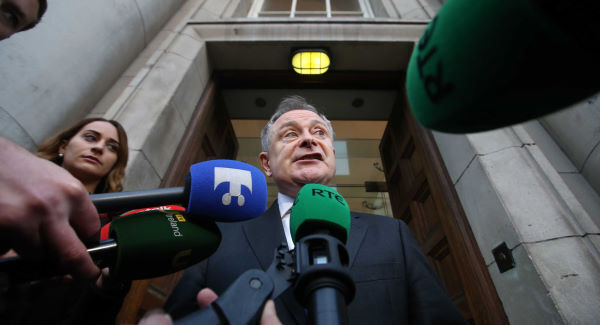
Labour leader Brendan Howlin criticised Mr Kenny for “failing to prepare the ground” on the measure after it was shot down by DUP leader Arlene Foster during a cross-border summit on Monday.
During a Dáil leaders’ questions debate dominated by Brexit, Mr Kenny came under repeated pressure from Fianna Fáil and Sinn Féin leaders Micheál Martin and Gerry Adams over the inability to agree a plan with Ms Foster.
The most stinging criticism came from Mr Howlin, who accused Mr Kenny of suffering a “humiliating” defeat in setting up a cross-border response to the issue — only to see it publicly rejected by his Northern counterpart within minutes of it being announced.
“In recent days the Taoiseach had floated the idea of an all-island forum so we could have a consensus on the island on how to deal with this,” said Mr Howlin.

“As others have said, this idea was floated many times over the weekend by a number of the Taoiseach’s ministers. However, at [Monday’s] press conference, it became clear the Taoiseach had failed to prepare the ground with the Northern Ireland first minister.
“The result was the proposal was rejected by her publicly in a very humiliating way.”
Mr Howlin said the situation has “damaged” the interests of both the Republic and Northern Ireland in the immediate aftermath of last month’s UK Brexit vote, noting that the lack of a cross-border plan raises questions for both jurisdictions’ economic strength.
Mr Martin criticised Mr Kenny for putting forward an “incoherent all-island response to Brexit without an attempt to speak to Arlene Foster and others”.

Describing the departure of Britain from the EU as one of the most serious threats to face the economies in the Republic and North in recent times, Mr Martin said while a cross-border plan is a positive step, it was “inconceivable” that it “would have been floated” without any discussion with Northern counterparts.
Mr Kenny said he spoke to Ms Foster last week and that “everybody has responsibilities collectively” in how to address the Brexit aftermath. He said that “instead of trying to score points on this”, rival parties would better serve the public by helping to build bridges over the issue.