Education welded to therapy rescues child soldiers from fate
An apprenticeship at Abdul’s is much sought after in the town of Makeni, in Sierra Leone in West Africa. The 34-year-old is known for the quality of his electric welding and is keen to pass on the skills that have enabled him to pay school fees for his brother and sister and fund the education of his six children. The children go to school in the morning and train with Abdul in the afternoon.
“I am proud that I can help people,” he says. “I had no education when I came to Caritas in 2010. I had no skills.”
When he was 16, Abdul was captured by Revolutionary United Front rebels who forced him to become a child solider. Its estimated that in Sierra Leone’s 11-year civil war about 10,000 children aged 10 and upwards were captured by the combatants.
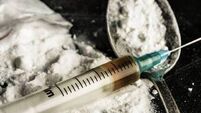
The children were injected with drugs, often cocaine mixed with gunpowder, to make them “fierce”. Many were forced to kill close family members to prove their loyalty, and it was necessary to become increasingly ruthless and emotionally detached to survive. However, many children took the ultimate gamble and plotted to escape so they could return to families. Abdul was one.
After nine months as a solider, and ill from neglect, he fled from his rebel group, desperately seeking medicine. He made it home to Makeni and, unlike many others, his family didn’t reject him.
Many ex-child soldiers were cast out by their families because of their wartime activities. Many of the children never made it home as, with 25% of them under the age of 12 and reeling from the trauma of the war years, they couldn’t remember who their families were.
Abdul’s uncle advised him to attend the Caritas Makeni Skills Training Centre in Port Loko. There, apart from obtaining a certificate in welding, he obtained trauma counselling. He also met his wife, who was doing a course in weaving.
Visiting Makeni yesterday, Trade and Development Minister Joe Costello gave €50,000 in funding to Caritas to support its programme for the rehabilitation and reintegration of child soldiers.
“For these young people who have suffered terribly, the opportunity to access trauma counselling and to learn vocational kills is critical,” said Mr Costello. “The funding will enable Caritas to reach more vulnerable young people by extending the programme to more towns and villages.”
The Department of Foreign Affairs has been active in Sierra Leone since the conflict ended 10 years ago. Last year, Irish Aid provided funding of nearly €7.9m.
Mr Costello will remain in Sierra Leone until tomorrow, after which he will travel to Ghana and on to Liberia.