Daniel Kinahan's conviction won't remove trauma felt in Dublin's north inner city, retired garda says
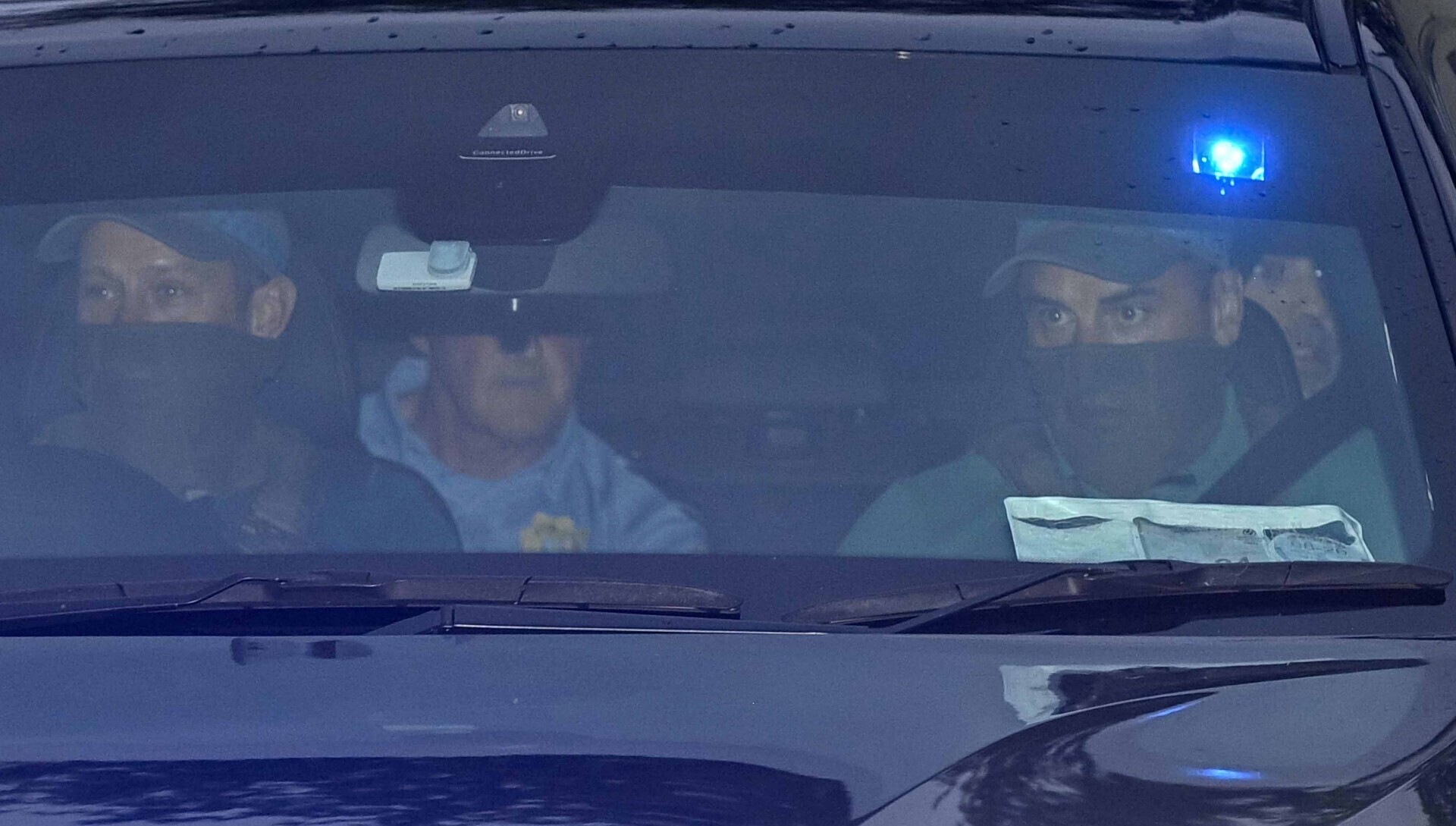
Daniel Kinahan (back, right) leaving the Criminal Courts of Justice in Dublin on Sunday, where he was remanded in custody charged with directing an organised crime group, after being extradited from Dubai. Photo: Mark Marlow/PA
Criminality will persist, and the trauma suffered by north inner city residents in Dublin will remain even if Daniel Kinahan is found guilty of directing organised crime, according to the man who once headed policing operations in the city.
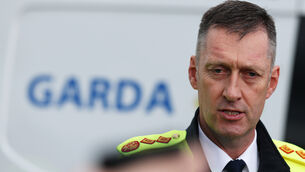
Pat Leahy served as assistant garda commissioner from 2017 and was tasked with tackling an increasingly violent gangland feud between warring crime cartels associated with the Hutch and Kinahan families in Dublin.
On August 9, Daniel Kinahan, who stands accused of running the Kinahan cartel, arrived in the Special Criminal Court and was charged with directing an organised crime group.
Kinahan is currently remanded in custody in Portlaoise Prison.
Mr Leahy, who retired from his post as assistant commissioner in 2022, said the charge was a “landmark story” in Irish policing operations, with the State tapping into international intelligence networks.
“(The State) created these transnational structures and infrastructure that facilitated the guards in actually achieving what they've achieved so far,” Mr Leahy told the .
“Without that, it would not have been possible. No single police service or police force can actually bring these things to fruition anymore without international assistance, and we have just become part of that now.”
The charge followed a lengthy process, where extradition deals with the United Arab Emirates (where Daniel Kinahan and other associates were based) were brokered over 18 months ago. The US government had imposed sanctions on the Kinahan crime group in 2022.
Despite the long-winding operation to get Kinahan back to Ireland, Mr Leahy said if Kinahan were to be found guilty of directing the cartel, it would not be as simple as cutting the head off a snake and forever quashing organised crime.
“In this particular cartel (that Kinahan stands accused of leading), you might have between six and 10 people that would be permanent, responsible for making all of this happen.

“But everything else across the globe then is loose affiliations of money launderers and lots of other types of people that facilitate transfer of cash and the movement of drugs and firearms. The inner sanctum is quite small, and everybody else is expendable.
“The way we would look at this from a policing perspective is, irrespective of who ends up being finished here, or whether or not it's one of the inner sanctum, or two or five or six, they are replaceable.
The gangland feud claimed 18 lives after it began in September 2015, and escalated substantially following the Regency Hotel shooting in February 2016.
At the height of the violence, gardaí often set up patrols outside of schools that contained family members of the warring gangs. Many of the feud’s violent episodes centred in working-class areas like Summerhill and Poplar Row.
“The majority of people involved in this have a direct connection to the north inner city," Mr Leahy said.
“A lot of them went to school together. They grew up together. They were friends together. They were part of the criminal activities together. There was a bond in there. This was one gang imploding.”
Mr Leahy said he would like to see a framework set up to help residents of Dublin’s north inner city scarred by trauma.
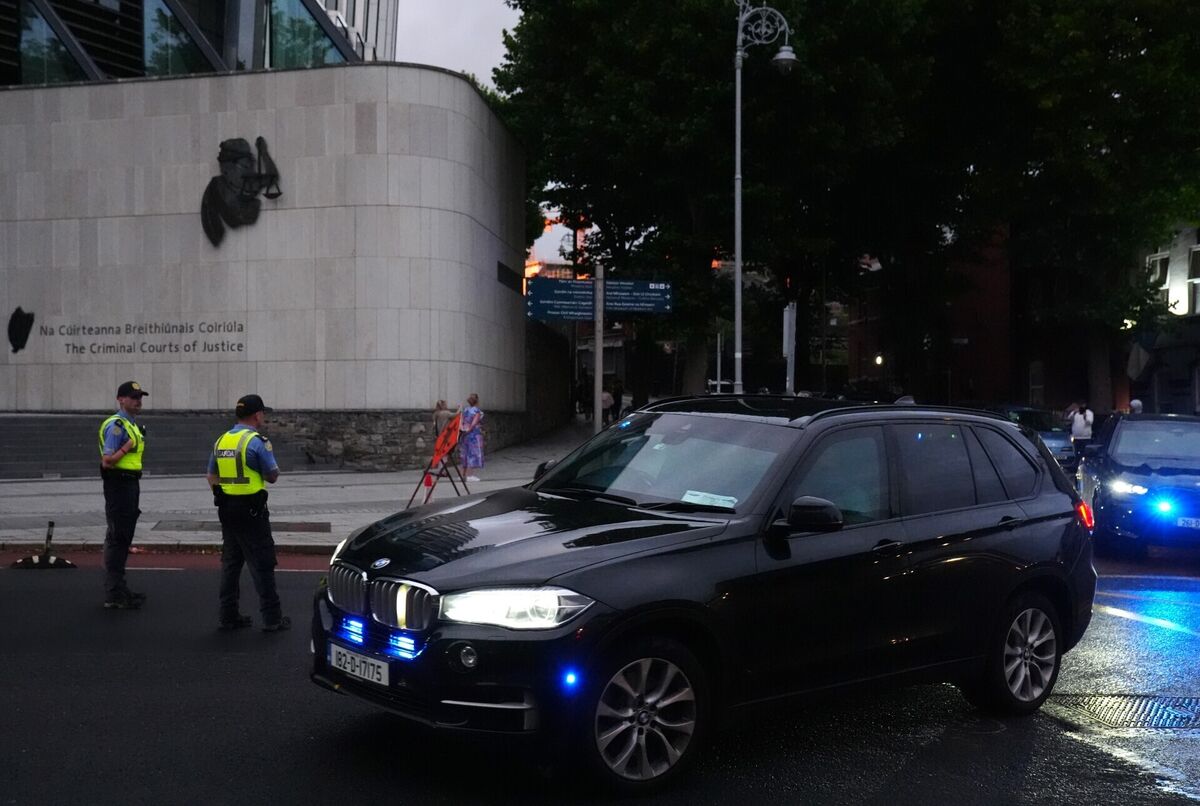
“I'm not sure whether they'll ever fully recover from it because so much death and destruction has taken place, and I remember engaging with them at the time, and that community is traumatised. There's no doubt about it.
“A lot of the people that were central to this are incarcerated now. A lot of them got long sentences, but their families are left behind, and their children are left behind, and their relations are left behind…It doesn't go away because one or two people are incarcerated.”
CONNECT WITH US TODAY



Be the first to know the latest news and updates