Yes side fear of low turnout groundless
Following a bitter, aggressive, and often confusing campaign nearly half of all voters decided to shun the poll despite the importance of it to Ireland’s future role in Europe.
Some 1,591,385 votes were cast out of a possible 3,144,828, with the 50.6% turnout seeing the yes side gaining 955,091 votes (60.3%) and the no campaigners getting the support of 629,088 (39.7%)
Only five of the 43 Dáil constituencies voted no, though, and Dublin Mid West was taken by the yes side by just five votes.
The two Donegal constituencies, which had the lowest turnout in the country at 42%, continued their tradition of voting no in EU referenda, and they were joined by Dublin South West and North West.
It was also a close call in Dublin South Central, where the no side won out by the slender margin of 700 votes.
On average, the yes vote in the 14 constituencies with a Sinn Féin TD was six points below the national tally, but in areas with a United Left Alliance representative the no side was marginally down.
Working-class areas voted more heavily for the no side, while middle-class and rural areas leaned more to the yes cause.
The biggest turnout was 58.7% in Dublin North Central — still below the national average of 59% recorded in the Lisbon II poll in October 2008.
Minister for Social Protection Joan Burton said “referendum fatigue” may have been a factor in the disappointing turnout.
Cork North Central saw a tight race, with the yes side coming in ahead by a margin of 52:48, while Cork South Central saw the yes side do slightly better than nationally, enjoying a 62% share of the electorate.
Dublin South gave the treaty its strongest backing nationally with a 75.8% approval rating, while Taoiseach Enda Kenny’s Mayo seat turned out to be the fourth biggest yes voter, with 67% approving of the compact.
The Donegal constituencies gave the treaty the thumbs down by a 55:45 margin.
Speaking after the result, Sinn Féin leader Gerry Adams said voters had been blackmailed into voting for the treaty as a result of the “campaign of fear” run by the Government.
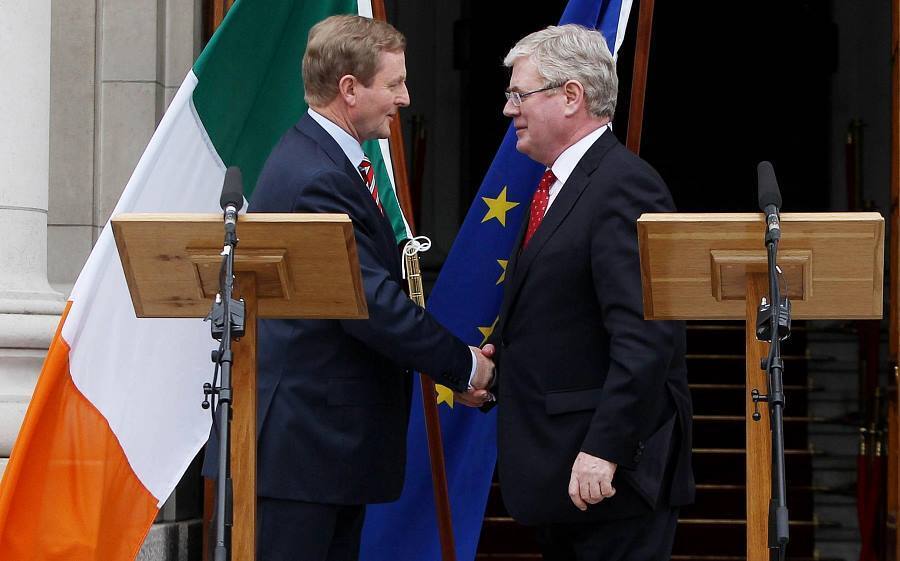
The Taoiseach said the result allowed the country the chance to stabilise economically and attract outside investment as the financial status of the country was now settled.
United Left Alliance TD Richard Boyd Barrett insisted the claim he made during the week that an “austerity timebomb” would explode in Ireland due to the acceptance of the fiscal treaty.