One in three buyers expect to encounter illegal 'ghost bids' on houses sold in open auctions
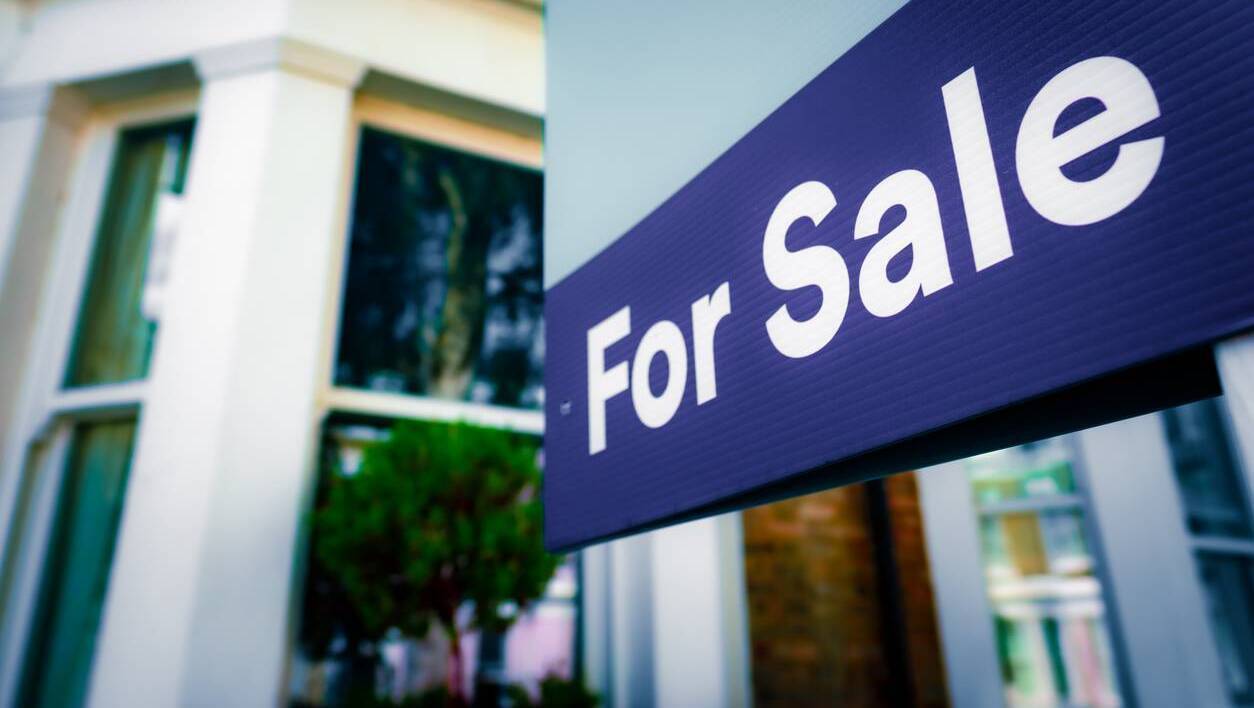
The study said that, significantly, while online bidding was seen to be more transparent by participants, they actually led to the highest bids in the experiment. This suggests a 'disconnect between beliefs and behaviour'. Picture: iStock
First-time home buyers are often forced to overbid and pay over the odds because of open auctions preferred by auctioneers and online platforms.
The research by the Economic and Social Research Institute (ESRI), which was funded by the Competition and Consumer Protection Commission (CCPC), also found one in three house hunters expect to compete with "ghost bids", with many taking on more financial risk to land their dream home.
It found that, compared to a sealed-bid auction process, open auctions via estate agents or online platforms are more likely to see buyers exceed their original budget and bid more than what they think the property is worth.
“It’s very important for homebuyers to exercise caution when approaching any type of auction,” said CCPC director of research Simon Barry.
“Buyers need to understand the bidding system they are participating in to ensure they make the right financial choice, and [they should] stick to their intended budget for what is likely to be one of the biggest purchases they’ll ever make.”
A recent survey from the CCPC found that just 16% of buyers feel the housing market is transparent, and that home buyers are at risk of inadequate information during the pre-sale-agreed period and conveyancing stage.
A report in December from online platform MyHome.ie highlighted a lack of transparency in the home-buying process, which is leaving house hunters suspicious of estate agents and often paying more than 20% over the original asking price.
This ESRI study involved a survey of 800 adults. It looked at how people act when faced with different bidding systems, including the ones most commonly used by estate agents and online sellers.
“In our experiment, bids under repeated, open auction-style systems were not only higher than those in single sealed-bid systems, they also exceeded the budgets that participants had set for themselves,” the study said.
“This indicates that individuals may take on more financial risk than intended due to the influence of the bidding system itself.”
It said that, significantly, while online bidding was seen to be more transparent by participants, they actually led to the highest bids in the experiment. This suggests a “disconnect between beliefs and behaviour”.
The study also suggested that there is a growing number of buyers experiencing what it called “transactional stressors” in the market.
These included financial pressures such as spending more on costs than expected, bidding more than planned, bidding more than you have approval for and, for sellers, a buyer pulling out.
Although most of the participants are aware that “ghost bidding” — non-existent offers used to inflate prices — are illegal, perception of its prevalence remains high. While 14% of buyers believe they were subjected to ghost bids, a third of those not yet in the market expect to encounter them.
As well as that, delays in conveyancing were also cited — particularly by those who recently went through the home-buying process.
It said that certain behaviours such as the sunk cost fallacy could encourage buyers to “proceed with problematic purchases simply to avoid losing what they perceive as already theirs”.
It also found gaps in knowledge of how the processes of buying a home actually work, suggesting that targeted timely information — including standardised guidance provided when someone makes a booking deposit — could help with this confusion.
Most participants also called for sellers to provide a condition survey of the house rather than buyers.
“Taken together, these findings suggest that Ireland’s housing market presents a complex mix of behavioural, informational, and procedural challenges,” it added.
“In short, buyers and sellers are navigating systems that they do not fully understand, often under stress, and with limited trust."
CONNECT WITH US TODAY



Be the first to know the latest news and updates