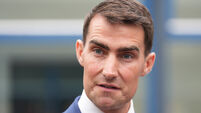
Martin denies opposition snub claims over Lisbon negotiations

FOREIGN Affairs Minister Micheál Martin has defended the Government against accusations it ignored the rest of the Oireachtas in seeking a solution to the Lisbon treaty problems.

He said he was “genuinely mystified” by last night’s criticism of the handling of the negotiations from the opposition benches.

In a Dáil debate, Mr Martin said the subcommittee on the future of Europe had provided ample opportunity for political parties to air their concerns.

He said the opposition appeared to be using this week’s negotiations on the treaty to attack the Government rather than build a constructive solution.

“Criticising the Government now seems to be a greater priority than advancing the progress of the European Union,” he said.

However, Fine Gael leader Enda Kenny said a second referendum could only pass if it was approached with consensus and co-operation from all sides.

He said he had little confidence in Taoiseach Brian Cowen’s ability to do this.

“I am astonished by the Taoiseach’s utter failure to build bipartisan support for a solution, something he desperately needs, ” he said.

“My party has not been consulted in any way about the Government’s pans regarding the Lisbon treaty.”

A Government spokesman said the Taoiseach had briefed a number of European leaders about the up-to-date situation in Ireland before this week’s summit of leaders.

He said the Taoiseach had a long-standing agreement that the details of negotiations and the intentions of the Government would not be publicised until this meeting.

However, in the Dáil a number of Fine Gael deputies criticised the lack of engagement.

Additionally, Sinn Féin’s Aengus Ó Snodaigh said the Government should listen to the will of the Irish people, as expressed in this year’s failed referendum.

Mr Martin said he respected these views and had bought them to Europe but people could not pursue a future where Ireland was left outside the fold.

He said the Government and the EU would learn the lessons of Lisbon and make a better effort to communicate with citizens.

“It is clear from our research that Irish people remain very positive towards Europe, but poor communication can create barriers to understanding how Europe actually works and what it does to advance our interests and our collective well-being,” said Mr Martin.

x

More in this section

Lunchtime News

Newsletter

Get a lunch briefing straight to your inbox at noon daily. Also be the first to know with our occasional Breaking News emails.

Cookie Policy Privacy Policy Brand Safety FAQ Help Contact Us Terms and Conditions

© Examiner Echo Group Limited