IRA apology a step to lasting peace, says Ahern
But he also challenged the IRA and other paramilitaries to continue with decommissioning with a view to ultimately disbanding.
Mr Ahern said he was heartened by the IRA's reiteration that it was committed to the peace process.
"We look forward to the IRA, and other paramilitary organisations, building on that commitment," Mr Ahern said.
He acknowledged that the statement, issued to mark the 30th anniversary of one of the North's worst atrocities, could not undo the hurt caused to the victims' families.
"It nevertheless represents a significant step forward in the process of healing that must take place," he said.
Tánaiste Mary Harney also welcomed the move and said it was unprecedented for the IRA to issue an apology.
"It is significant too that they have accepted the mistakes of the past, which resulted in pain and suffering for victims and their relatives," Ms Harney said.
Government officials in Dublin signalled that they were uncomfortable with the IRA's distinction between victims who were not members of paramilitary organisations or connected with security forces.
Justice Minister Michael McDowell said the Government had always deplored all deaths over the long history of the North's troubles.
A statement from the IRA leadership sent to An Phoblacht newspaper yesterday said it had not been the IRA's intention to kill 'non-combatants'.
But the reality was that on a number of occasions this was what happened, the IRA said.
The statement acknowledged the grief and pain endured by families of 'combatants' but it did not offer condolences to them.
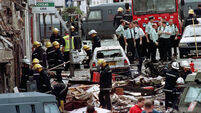
The IRA said it was making the statement to coincide with the 30th anniversary of their attack in Belfast in 1972, in which nine people were killed and 130 people were injured as 21 bombs exploded. The horrific incident is known as Bloody Friday.
The IRA statement went on: "The future will not be found in denying collective failures and mistakes or closing minds and hearts to the plight of those who have been hurt.
"That includes all of the victims of the conflict, combatants and non-combatants."
Northern Ireland secretary, Dr John Reid, welcomed the gesture as one of unprecedented strength.
"It is an acknowledgement of the terrible pain that was caused throughout the years of conflict particularly to civilians but also wider than that," Dr Reid said.
However, Jeffrey Donaldson of the Ulster Unionist Party said the IRA apology was late in the day, half-hearted and did not go far enough.
He cited evidence of IRA involvement in recent violence and said they should now say the war was over and then disband.