Annmarie O'Connor: What Parkinson’s forced me to confront about control, food and myself
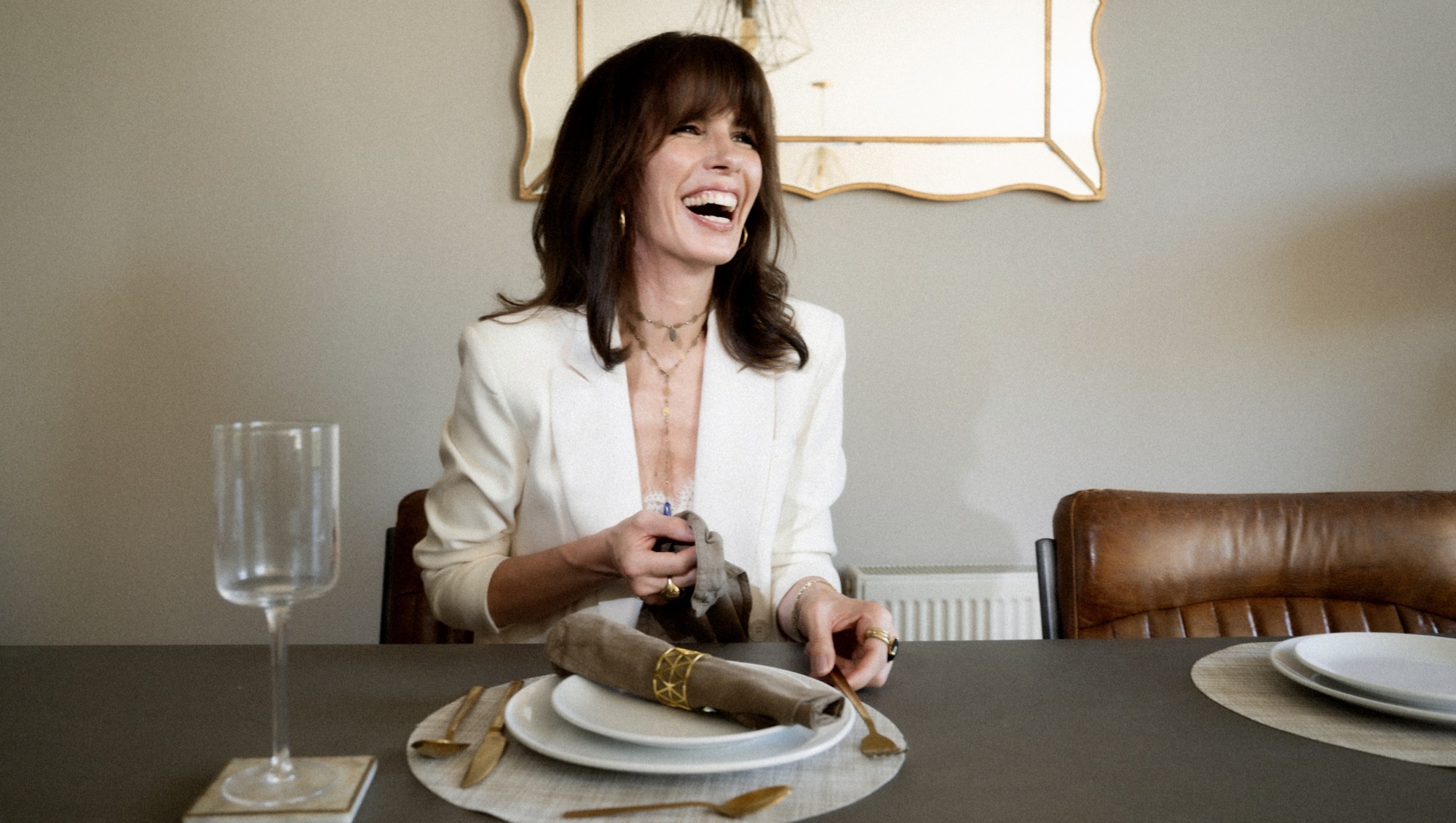
A Parkinson’s diagnosis brought unexpected relief from old patterns, but also forced Annmarie O’Connor to confront them anew
Annmarie O'Connor on Parkinson's. Picture: Chani Anderson

Annmarie O'Connor on Parkinson's. Picture: Chani Anderson

I wrote Twitch at my kitchen table — where I work, eat with friends and family, open my post, unpack my groceries, and pay my bills. A rectangular piece of granite supported by wooden legs and iron braces; it is my apartment’s most important piece of furniture. This is life, or at least where life happens — my life.
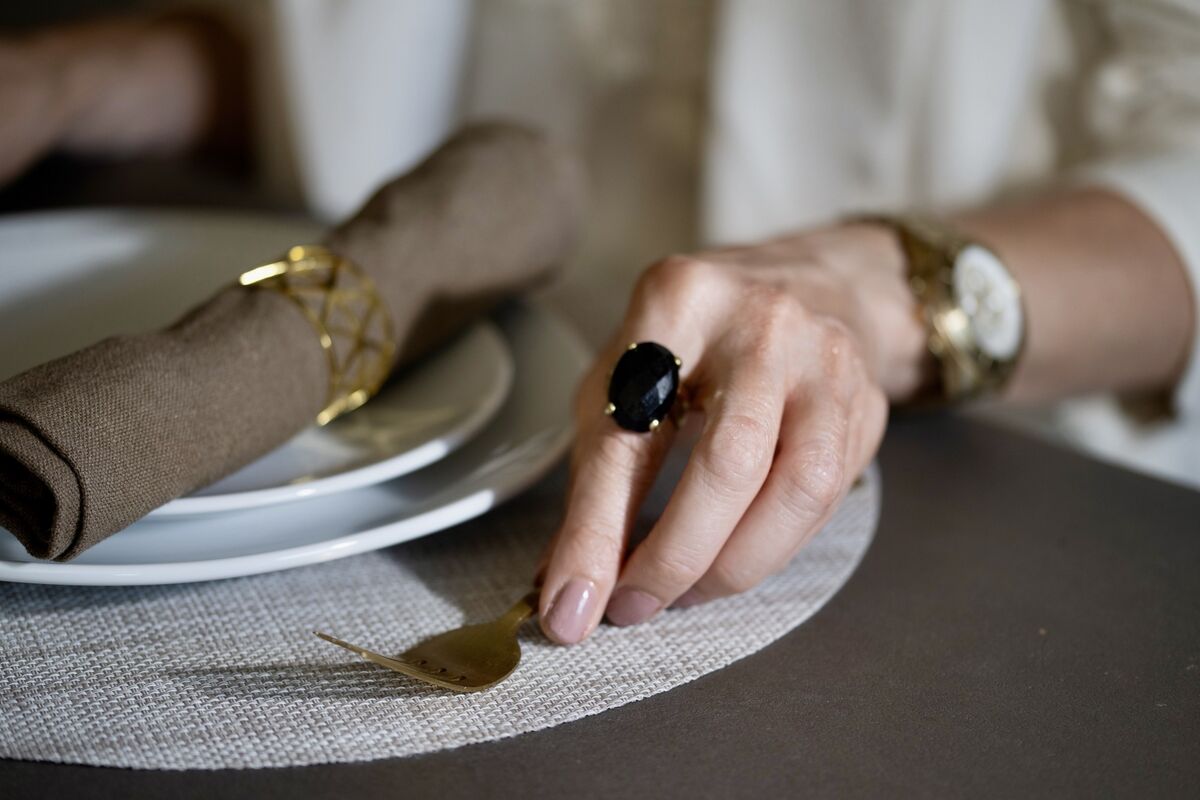
When people visit, I dress it with woven placemats, hammered gold flatware, and hand-painted cloth napkins rolled in jute holders. If the occasion calls for it, I’ll elevate stemmed glasses on marble coasters and illuminate a floral centrepiece with tea lights. For me, setting the table is more than a decorative act; it signifies the importance of spending time together: A shared experience through food. I adhere to this practice even when I eat alone, holding space for a proper meal at least once a day. When I lose respect for the ritual, I lose respect for myself. I am no longer accountable for the health of my body.

This happened at a particular juncture in my Parkinson’s journey. Survival mode kicked in, and details got downgraded. My inner A-student started policing what I eat, allowing me half of something and throwing out the rest. Never satisfied, I would hover at the fridge, taking small mouthfuls of this and that — hard-boiled habits from the past. Cop on. Be more disciplined, she would say. Caught between too much and not enough, she continued to enforce self-appointed rules at will: No eating between meals, before medication doses or after certain hours. It got tiring. That’s when I set the table less. There came a point where I didn’t even bother. The table was bare.

“Life is messy, Annie.” My friend Julie tells me this. She’s seen my past patterns: The restricting, the counting, the limp hair, the empty stare. I knew I’d lost weight but told myself it was nothing. Only it wasn’t.

My inner A-student was running the show: Extending the wait time between medication and meals; minimising fasting with words like ‘intermittent’. She works hard, but she’s also hard work.

A year into my diagnosis, I leaned more consciously into diet and exercise to manage symptoms. Meet Parkinson’s halfway until your medication is sorted, I told myself. Then, a small miracle: A new treatment transformed my world. No more tremors. No more restless legs. No more insomnia. Just some early appetite loss. Somewhere along the way, the lines blurred. I felt better, but I also got much thinner. Maybe I conflated the two, but I liked how I felt until it became all too familiar, like it did in college. Julie remembers.

Annmarie O'Connor: For me, setting the table is more than a decorative act; it signifies the importance of spending time together. Picture: Chani Anderson

Although it’s common for people with Parkinson’s to lose weight when juggling strict medication and food timing, it isn’t the total story. Julie and I both know this. My glance shifts. My head drops. Shame fills in the blanks.

“I thought I was eating well,” I admit.

“By ‘well’ do you mean ‘disciplined’?” Julie asks.

I nod.

Control. It’s so insidious. At first, I didn’t recognise it. I even went to my GP and a dietician to find out why I was so tired and losing so much weight. The irony? Without Parkinson’s, my unhealthy eating habits might have stayed buried, never healed. I don’t give Parkinson’s credit—it hasn’t earned it. But fair is fair.

And yet, the paradox persists. Life is messy. It is fluid and hard to contain despite our best efforts, but it is also mine to live. In order to live well, however, I must value who I am now — mistakes, insecurities, and all. Only then does the mess start to clear. Mine is still a work in progress. Any other answer would be misleading.

Life isn’t linear, nor is it obligingly chronological. Sometimes we’re pulled onto an unexpected detour, back to the past, to revisit a situation before we can move forward. Other times, the past pushes its way into the present, insisting on being healed. In that sense, we are all time travellers. When my eating patterns resurfaced, I felt ashamed and afraid they might return. A wise friend reframed it for me: See it not as a failure but as an artefact of the past. Not who I am now, but a pattern that reveals who I was then. And that has its value. It shows me how far I’ve travelled — from the young woman with no tools to the one who now knows her trigger points and how to soothe them.

It’s time for dinner, so I set the table. Candles lit. Wine poured. I serve myself.

  • Annmarie O’Connor’s memoir ‘Twitch: My Life with Parkinson’ is available now

More in this section

Lifestyle

Newsletter

Eat better, live well and stay inspired with the Irish Examiner’s food, health, entertainment, travel and lifestyle coverage. Delivered to your inbox every Friday morning.

Cookie Policy Privacy Policy Brand Safety FAQ Help Contact Us Terms and Conditions

© Examiner Echo Group Limited