Meet the Cork woman who was the real power behind the Guinness dynasty
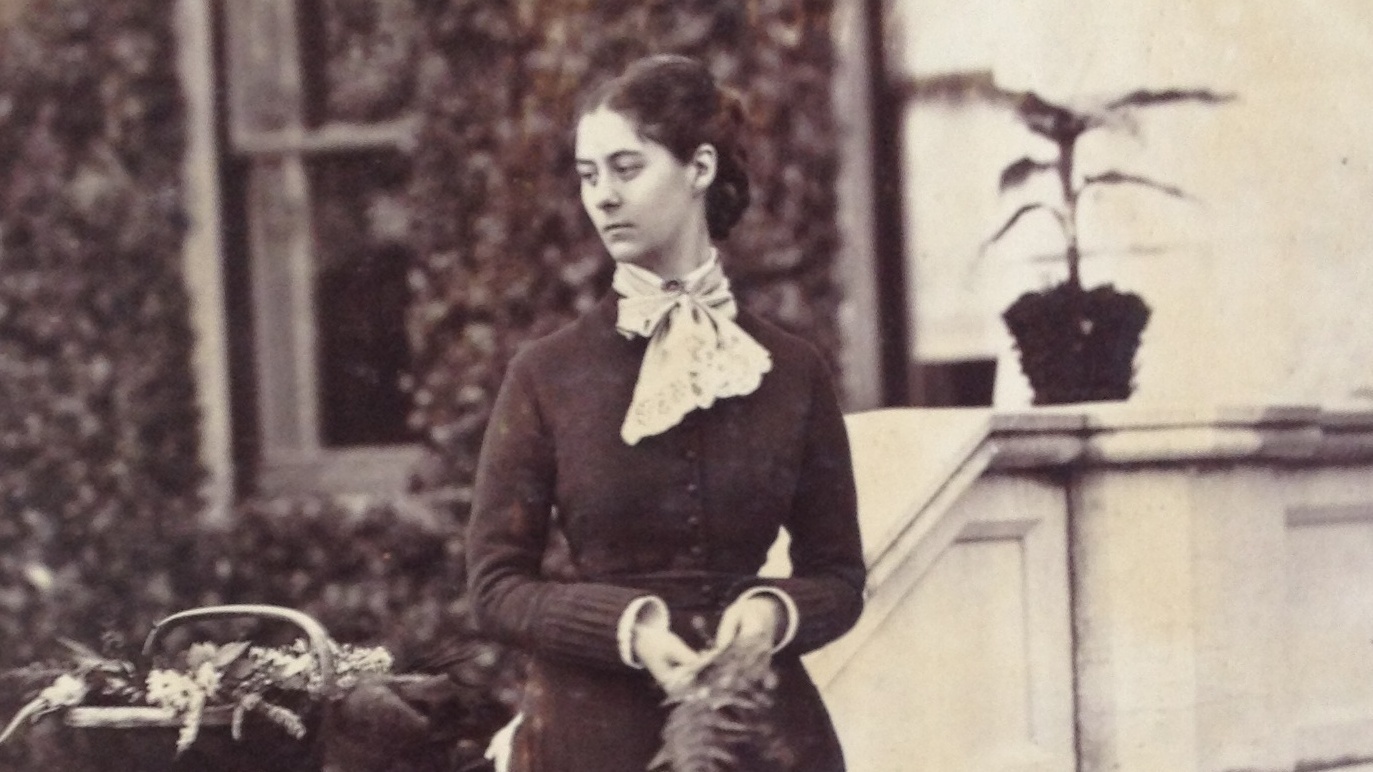
Olivia Charlotte Hedges-White, who became Lady Ardilaun after she married Arthur Guinness
Arthur Guinness, Victorian heir to the great brewing dynasty and one of the richest people in Ireland, was a remarkable man.
And like so many remarkable men, he had an even more remarkable wife.
Born in 1850 at Macroom Castle in Co Cork, Olivia Charlotte Hedges-White had a noble pedigree. She was the daughter of the third Earl of Bantry, and grew up at Macroom Castle, which had been in her family since the 18th century, and at Bantry House, also in Cork.
She and Arthur — who was 10 years her senior — were married on February 16, 1871, in the parish church at Bantry, and after the ceremony, their carriage was drawn by estate workers to the big house before they left for Macroom on their way to a honeymoon on the continent.
HISTORY HUB
If you are interested in this article then no doubt you will enjoy exploring the various history collections and content in our history hub. Check it out HERE and happy reading
However, as the daughter of an earl who had married a brewer, Olivia was set on her husband’s social advancement. As far as she was concerned, that meant withdrawing from involvement in the brewery — which he did in 1876 — and engaging in spectacular acts of philanthropy: Building worker-housing, donating to a host of good causes, and in 1880 financing the renovation of St Stephen’s Green as a public park and gifting it to Dublin Corporation.
In 1880, Olivia’s hard work paid off when her husband was created Baron Ardilaun of Ashford.
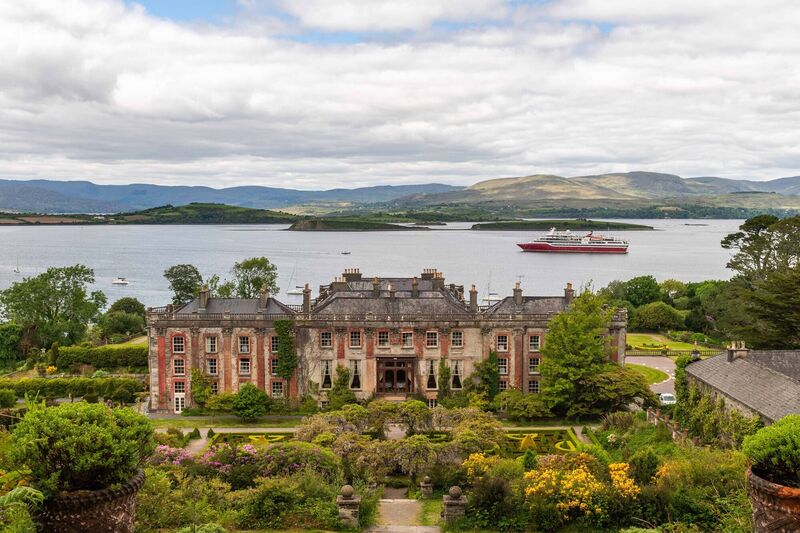
By then, she was very much the power behind her husband’s throne. In 1899, for example, Arthur bought the 17,000-acre Muckross estate in Killarney for a reputed £60,000. The estate had belonged to his wife’s uncle and seemed likely to be broken up when it came on the market: It was Olivia who persuaded her husband to buy it, because of her family connection. They never lived there.
Now known as the Ardilauns, Arthur and Olivia took their wealth and responsibilities very seriously. But they still managed to enjoy life. At any one time, they might be hosting a shooting party at Ashford, or presiding over various charitable committees in Dublin, or attending a state ball at Buckingham Palace, or wintering in the south of France.
At St Anne’s, Olivia entertained relentlessly, competing with her sister-in-law Adelaide Guinness to see who could hold the most glittering parties. Countess Cadogan, wife of the Viceroy of Ireland, might come for lunch. The elderly Queen Victoria, on her last visit to Ireland in the spring of 1900, made a point of stopping briefly at St Anne’s so Olivia could present her with a bunch of primroses.
Reminiscing about her life on one of her frequent charitable hospital visits, Olivia once described to a group of astonished Dublin paupers how things were arranged when she went from St Anne’s to her London house. The head coachman, Horton, would leave three or four days before her to sail over with a carriage, a groom, and a pair of horses.
Then the second coachman would drive her, her maid, and a footman down to Dún Laoghaire — where the Ardilauns’ agent would take her and her maid aboard the waiting steam packet to the cabins engaged for them.
These cabins were filled with flowers taken from her own garden at St Anne’s.
When they arrived into Holyhead, the footman would see her to her reserved carriage on the London train and magically appear at the carriage window whenever the train stopped at a station to make sure she didn’t need anything.
When the train pulled into Euston, there would be Horton and Lady Ardilaun’s own carriage waiting to carry her to Carlton House Terrace.
In 1916, she invited a cousin, Katherine Everett, to come to St Anne’s as her companion. Katherine, who was working as a gardener-companion in England, jumped at the offer.
“One ought never to neglect really rich relations,” she said.
There were several good-sized villas nearby, a by-product of the Ardilauns’ tendency to buy up neighbouring estates; and Katherine was offered one of these: Sybil Hill. It was just over a mile from the mansion, giving her a degree of independence, and helping her and Olivia to avoid the feeling she was the paid help.
But Katherine quickly found out life with her cousin was not going to be all roses. Sybil Hill had a leaking roof, no electricity, a cracked boiler, and three old-fashioned water closets that didn’t work. When she mentioned this to Olivia, the response was: “Well, my dear, if you don’t like it, you had better go back to England.”
Having sold her house and moved all her furniture over to Ireland, a stunned Katherine had little choice but to pay for improvements out of her own pocket.
When they were done, however, Olivia made out a cheque for £100 more than she had spent, saying calmly the extra was for carpets and curtains.
The War of Independence and the Civil War that followed had their impact on Olivia, who was a fierce supporter of the union. Katherine, who used to cycle from St Anne’s to Sybil Hill every night, was sometimes stopped by armed men who emerged out of the darkness and warned her not to say anything if she saw lights or heard whistles in the darkness, or “your place will go up”.
Olivia immediately persuaded Katherine to travel the 200 miles down to Cork to arrange for furniture and paintings to be shipped back to St Anne’s.
When word came in August 1922 that Macroom had been burned by anti-Treatyites as they retreated from advancing Free State soldiers, Katherine set off again by train for Macroom. This time, she found the line was damaged and bridges down beyond Limerick, forcing her to cycle the final 60 miles alone through a war zone.
When she eventually arrived in Macroom, she found the castle still smouldering, but the caretaker, an old woman named McCarthy, had demanded that the men carry out the furniture and Olivia’s things before they set it ablaze, and most of her belongings were saved to be sent back by sea from Cork to St Anne’s.
Olivia died unexpectedly at 42, St Stephen’s Green — yet another of her houses — on December 13, 1925. She was 75, although the papers said she was 70.
In her will, she left Katherine £5,000 and the paintings and furniture from Macroom, a reward, she wrote, because “it was she who went to Macroom and rescued them from the clutches of the Black and Tans when they occupied my castle… and where she went again after the brutal burning of my castle”.
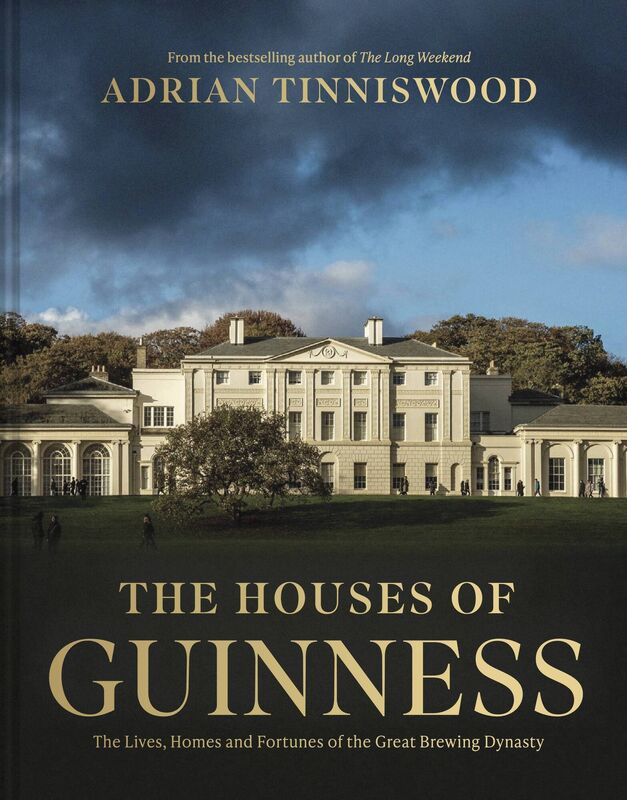
- , by Adrian Tinniswood, is published by Scala
- Adrian Tinniswood will explore the histories of the legendary Guinness family through their mansions and townhouses at the West Cork Literary Festival on July 15 at 2.30pm in Bantry House. The West Cork Literary Festival takes place from July 10-17, see westcorkliteraryfestival.ie
A collection of the latest business articles and business analysis from Cork.
CONNECT WITH US TODAY



Be the first to know the latest news and updates