Bernard O'Shea: The Dad Bod Diaries — Where has the food of my youth gone?
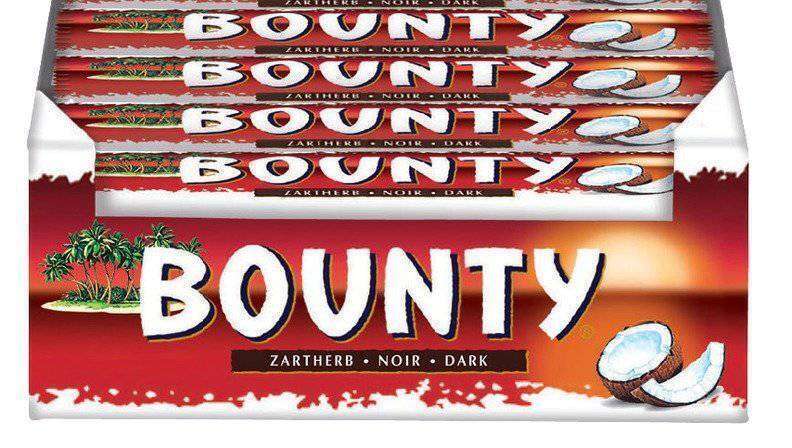
The red wrapper on a Bounty meant dark chocolate, which, in the Ireland of the 1990s, felt impossibly mature and continental.
Not modern, ‘inspired by the classic’ versions either. The real things. The foods that built Irish childhoods in the 1980s and ’90s, that tasted slightly artificial, but emotionally perfect.
Romantica, for instance. Not just an ice cream — an event. A decorative vanilla ice cream loaf covered in chocolate sauce and crunchy hazelnut pieces that somehow managed to make an ordinary Tuesday evening feel like a wedding reception in a five-star hotel.
There was something deeply sophisticated about a dessert that arrived already shaped. Irish mothers would carry it to the table with the gravity of a surgeon in an operating theatre. Romantica was luxury.
Then there was Lilt. Unlike Romantica, which, although not as ubiquitous, still pops up on occasion in supermarkets, the Lilt brand is gone. The drink that convinced an entire generation of Irish people that tropical living could be achieved through fluorescent pineapple fizz consumed beside a paddling pool during Ireland’s annual two sunny afternoons. The advertising made us feel like we lived in Barbados, when, in reality, we were drinking it in the drizzle while your father shouted at your sister to turn off the hosepipe.
Even the old summer fruit flans have disappeared. Not home-made ones. I mean the proper shop-bought flan bases that appeared in kitchens every time the temperature rose above 16C. Strange, spongey discs transformed into suburban masterpieces involving tinned mandarins, strawberries, jelly glaze, and cream, from a carton that had to be opened with a knife. No one questioned why every Irish dessert in the 1980s looked like it had been assembled for a parish talent show.
The strange thing about middle age is that you slowly realise entire sections of your life have been quietly discontinued. Nobody announces it. One day, you simply notice you haven’t seen something in years, and suddenly you’re emotionally compromised beside the freezer section in Dunnes Stores.
As children, we desperately wanted adult food. Coffee. Wine. Restaurant meals. Now middle-aged men wander supermarkets muttering things like, “Do they still make Fat Frogs?” while pretending to compare organic yoghurt prices.
Psychologists and branding experts have long studied the connection between nostalgia and food. Research consistently shows nostalgic products become emotionally powerful because they attach themselves to periods of safety, comfort, and identity in our lives.
Which explains why discovering the disappearance of an ice cream cake can make a fully grown adult stare silently into a supermarket freezer, as if reviewing his life choices. Because you are not actually mourning the product. You are mourning summers without responsibility. You are mourning metabolism before consequences.
Food companies understand this. Nostalgia marketing has become an entire industry, because brands know consumers crave emotional familiarity as much as flavour. That is why old sweets and cereals keep returning every few years as ‘limited editions’. It is less about demand, more about emotional archaeology.
Of course, many of these products disappear for depressingly boring reasons. Sales decline. Ingredients become expensive. Recipes change. Companies streamline their product ranges. Somewhere, in a meeting room, a person with a PowerPoint presentation decides younger consumers now prefer “high-protein snack experiences” over tropical sugar water and decorative ice cream logs with explosions.
I remember days when food had no ambition whatsoever. A snack simply wanted to be fluorescent and vaguely strawberry-flavoured. Nobody handed you a yoghurt in 1989 and said: “This supports cognitive performance.” Your mother handed you a Club Milk and wished you the best.
Which is why I have decided to take action. If multinational companies can discontinue products that no longer serve their business interests, then I, too, can discontinue the brands currently doing absolutely nothing positive for my waistline. I am cancelling several long-standing relationships.
Goodbye, giant sharing bags that I mysteriously consume entirely alone while watching documentaries about national football shirts.
Farewell, pastries that convince me they are ‘continental’ rather than simply butter wearing a scarf.
Goodbye, biscuits purchased ‘for visitors’, despite the fact no visitor has ever arrived in time to see them.
Certain ice creams are now under review. And any crisp that leaves orange dust on my fingers now faces immediate corporate restructuring.
The problem, unfortunately, is that middle age turns you into the curator of lost ordinary things. Maybe that is why disappearing foods pull so hard at the heart. They quietly remind you that your childhood was never safely preserved in storage.
It too was a limited edition.